France has drafted a U.N. Security Council resolution to create an international mission aimed at reopening the Strait of Hormuz and may table it if diplomatic conditions permit. The strait’s partial closure has driven up oil prices and complicates efforts to end the three-month U.S.-Iran conflict. A U.S.-Bahraini resolution calling on Iran to stop attacks has been delayed amid veto threats from China and Russia, while France pursues its own U.N.-based initiative.
France Readies U.N. Draft to Reopen Strait of Hormuz as U.S. Resolution Stalls
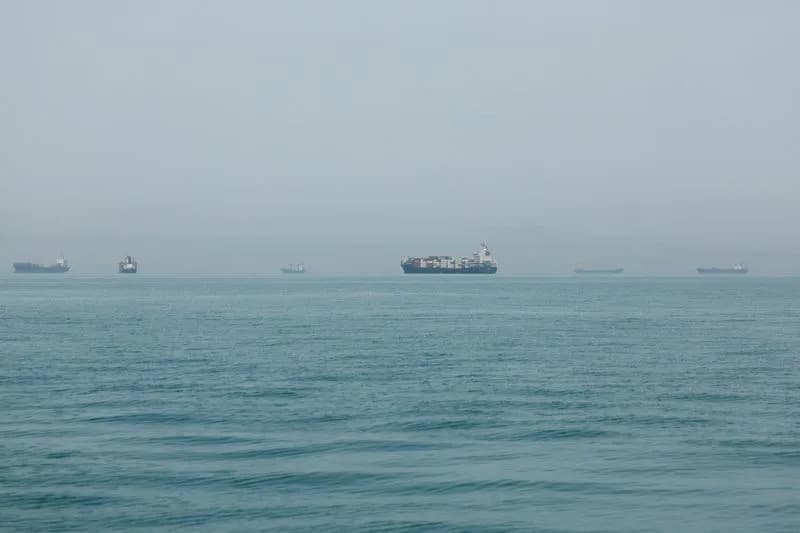
Vessels in the Strait of Hormuz, Iran, May 22, 2026. Majid Asgaripour/WANA (West Asia News Agency) via REUTERS
France has drawn up a U.N. Security Council draft resolution proposing an international mission to restore freedom of navigation in the Strait of Hormuz and said it could table the text if diplomatic conditions allow, the foreign ministry said on Friday.
The narrow waterway is a vital artery for global energy shipments, and its near-closure has pushed oil prices higher while complicating efforts to end the three-month-long U.S.-Iran conflict. A U.S.-backed resolution submitted with Bahrain has been under discussion for more than two weeks, but council voting has been repeatedly postponed amid warnings that China and Russia may exercise their veto powers.
Diplomatic Standoff at the Security Council
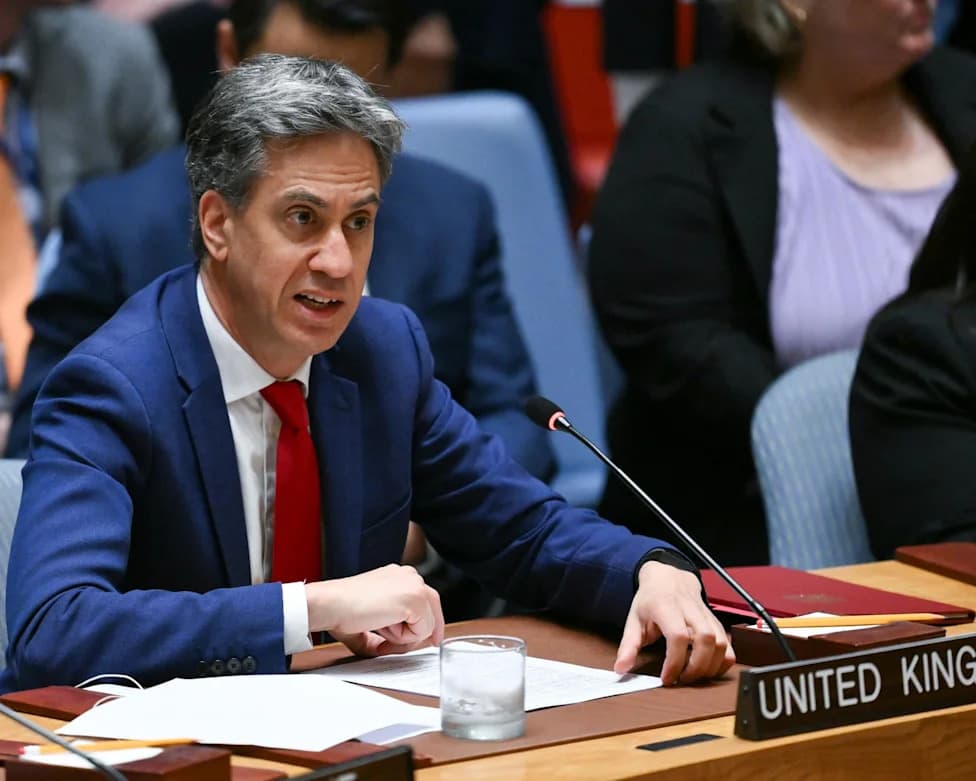
The U.S.-Bahraini draft calls on Iran to halt attacks and the laying of mines in the strait. China and Russia vetoed a similar U.S.-sponsored text in April, saying it unfairly targeted Tehran. Washington says it has secured nearly 140 countries to co-sponsor its draft, according to two European diplomats, yet France—also a veto-wielding permanent member—has so far declined to endorse that proposal.
"There is a draft resolution between the U.S. and Bahrain currently under discussion. This forms the basis of the current discussions. The date for the vote has not yet been announced," Foreign Ministry spokesman Pascal Confavreux said.
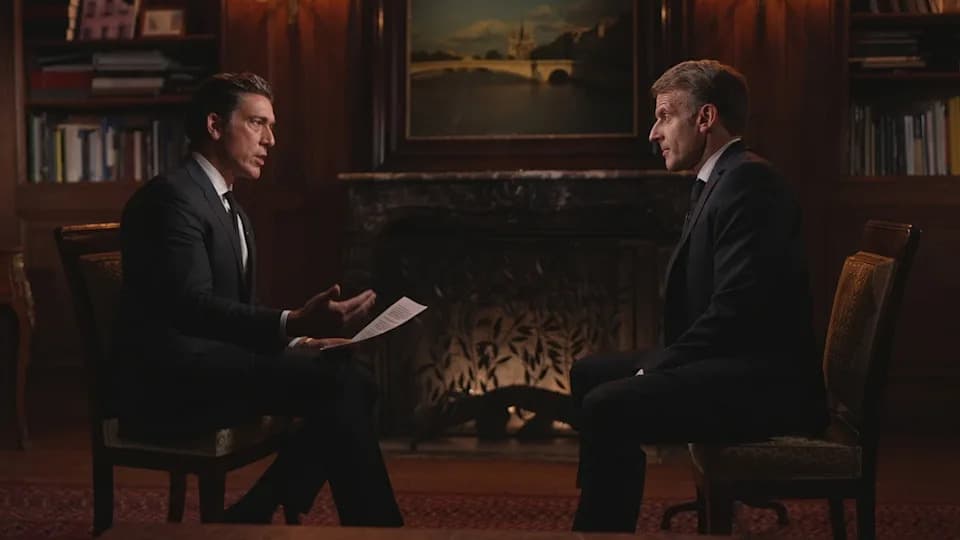
President Emmanuel Macron has indicated Paris will soon advance an initiative at the United Nations to solidify Franco-British efforts to assemble an international mission to restore navigation in the strait once the security situation permits and after consultations with Washington and Tehran.
France said it has prepared, as a permanent member, a draft resolution that could be discussed if the conditions are right. Paris’s move underscores a search for a U.N.-based approach even as the United States has in recent months acted largely outside the U.N. framework—carrying out military strikes against Iran without Security Council authorization and urging allies to join ad hoc naval patrols to protect shipping.
Why It Matters
Any Security Council outcome will shape international efforts to protect merchant shipping, influence global oil markets, and test the ability of major powers to find common ground amid wider geopolitical tensions.
Reporting by John Irish, Reuters.
Help us improve.