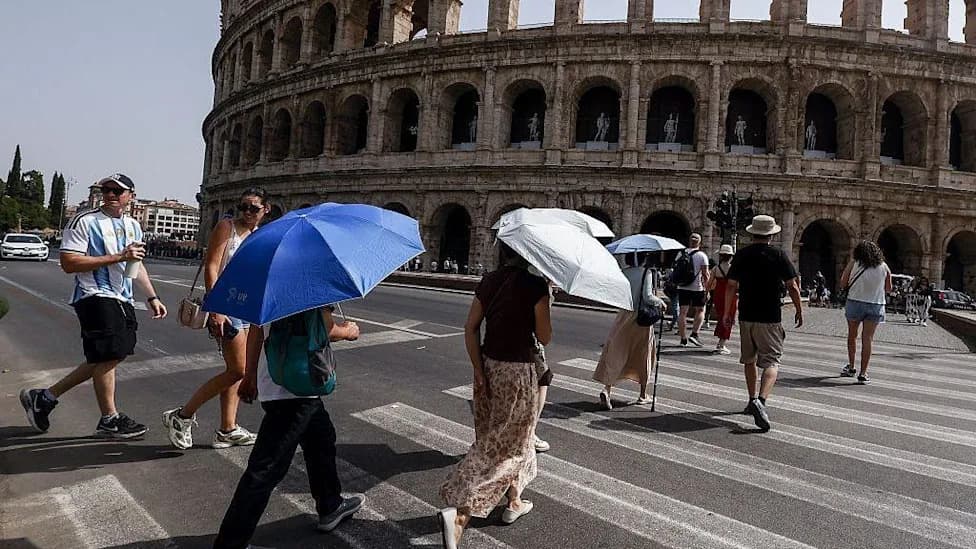
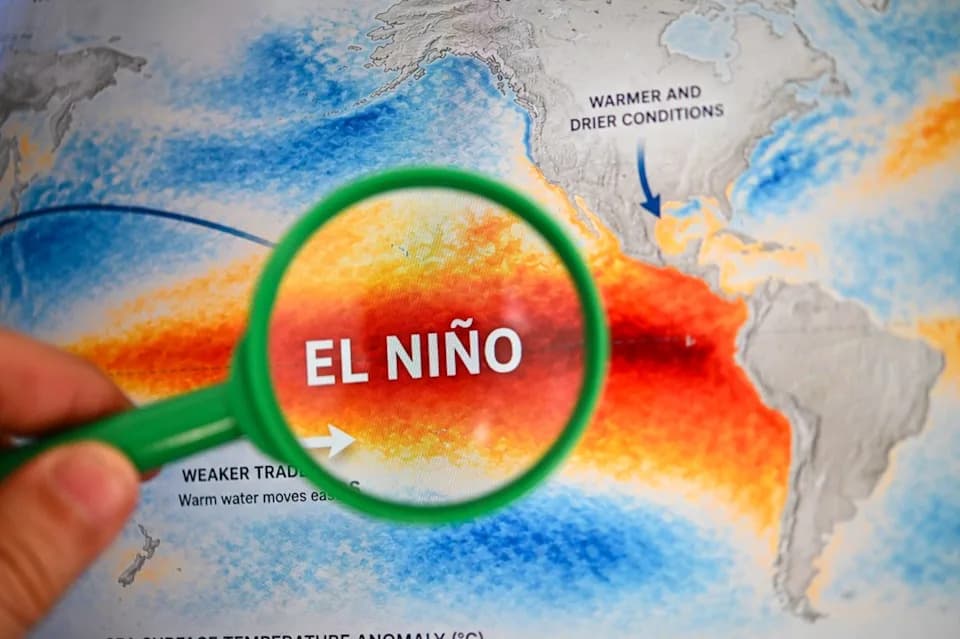
Scientists warn a potentially record-strong El Niño could reshape global weather patterns and raise the likelihood of heat waves, floods and drought. Experts say the event may temporarily push global temperatures closer to—or even past—the 1.5°C threshold and make 2027 unusually hot. Improved early warning systems help, but vulnerable food and health systems face elevated risk.
Could a Record-Breaking El Niño Push the World Past 1.5°C? What to Expect
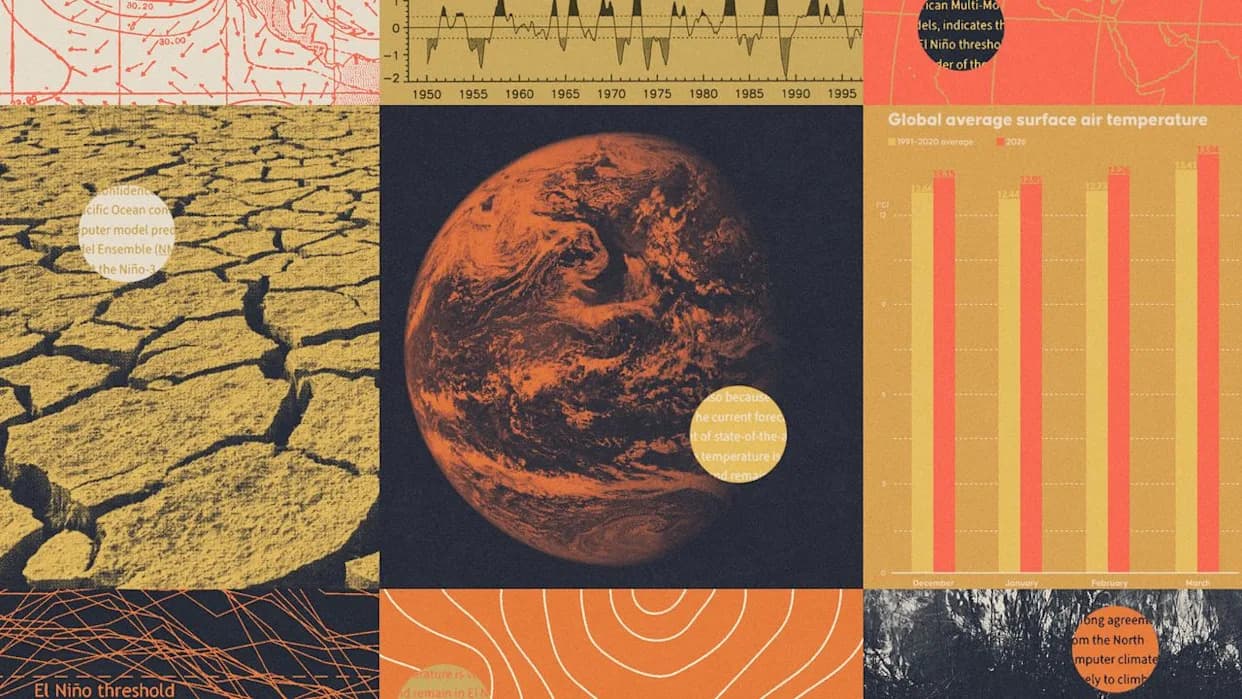
Climate scientists are warning that the coming El Niño could be one of the strongest since the 1870s — a development that may reshape weather patterns, stress food supplies and amplify heat extremes worldwide.
Why This El Niño Matters
Warming in the central and eastern equatorial Pacific can alter global circulation patterns, shifting droughts, floods, heat waves and sea-ice behaviour around the planet. Researchers quoted by The Washington Post and Inside Climate News say the current cycle could be “potentially the biggest El Niño event since the 1870s”, and that its effects will be layered on top of an already warmer baseline planet.
Climate Risks and the 1.5°C Threshold
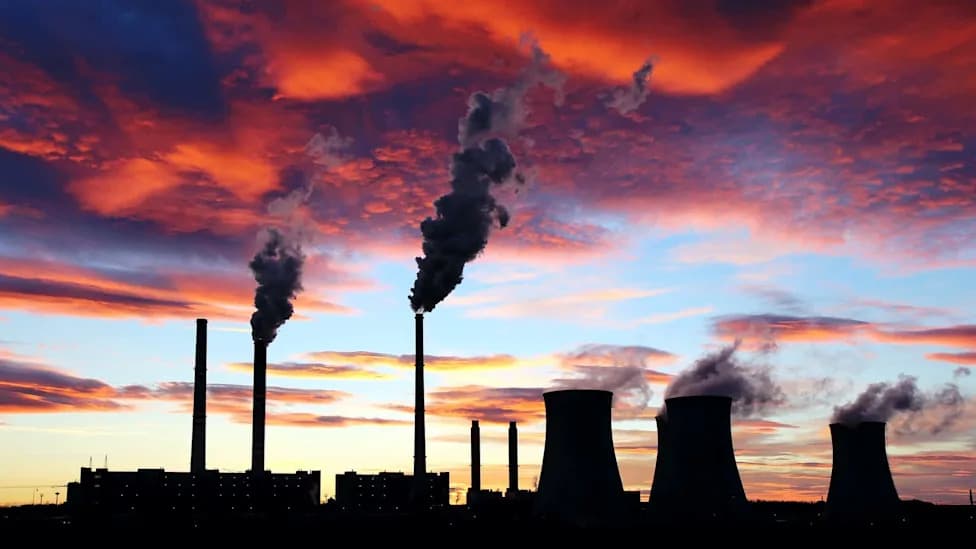
Scientists caution that an unusually strong El Niño could temporarily raise global average temperatures and, in some scenarios, push the world closer to or past the 1.5°C warming threshold that policymakers view as a critical limit for avoiding the most severe, long-term impacts on agriculture, human health and economies.
“These shifts could have a profound impact on human society and human well‑being,” climate scientist Katharine Hayhoe told The Washington Post.
Historical Context and Modern Preparedness
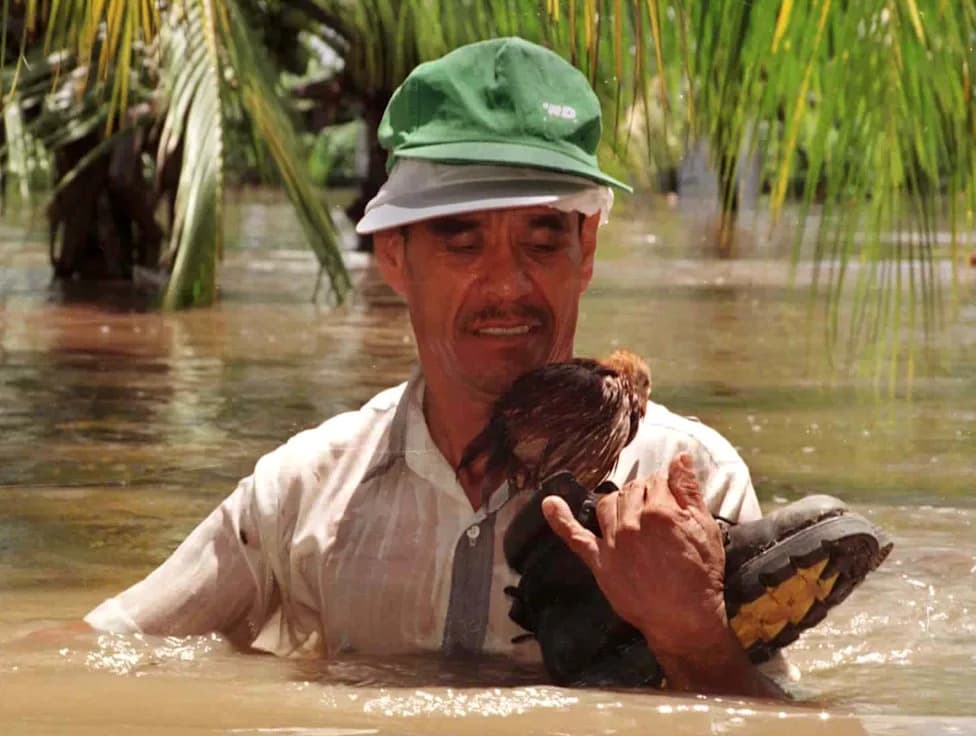
The largest recorded 19th-century El Niño — in 1877 — contributed to famines that killed millions across regions including India, China and Egypt and was followed by outbreaks of disease among weakened populations. Experts say today’s infrastructure, early-warning systems and international aid networks are far better, reducing but not eliminating risk.
Impacts on Agriculture, Health and the Economy
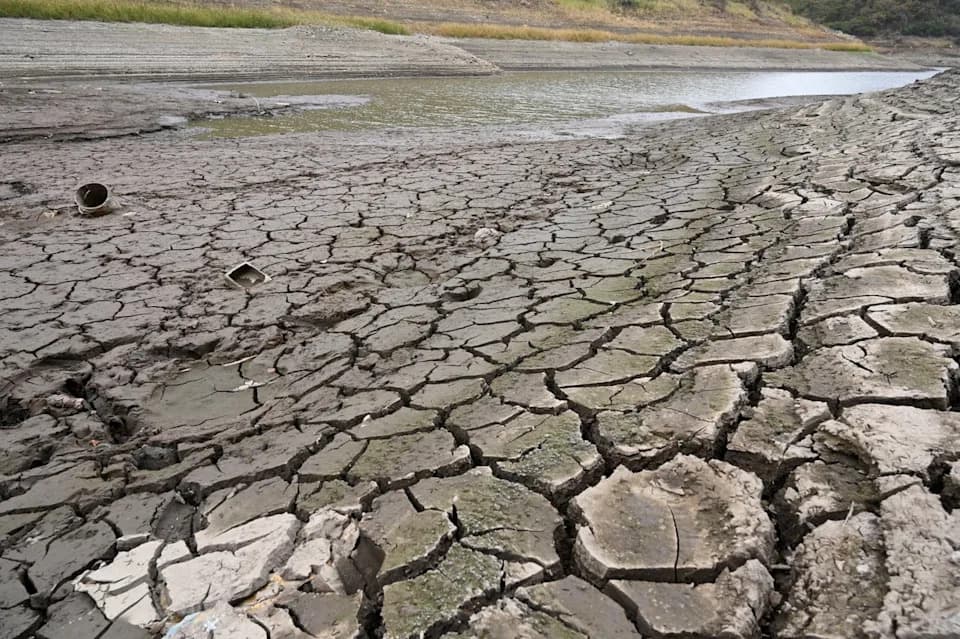
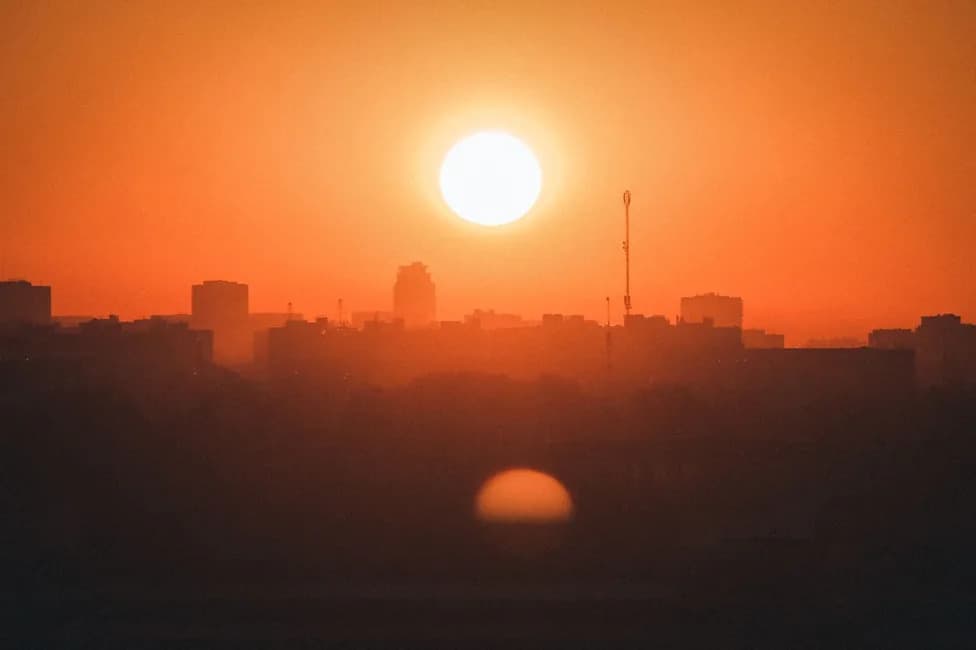
Practical consequences could include heat waves across the United States, hotter and drier conditions in parts of Asia that may harm crops, and increased rainfall in parts of Europe and North America that can damage harvests. Reuters reports that some farmers are already weighing planting and fertilizer decisions amid uncertainty — compounded in some regions by fertilizer supply disruptions linked to geopolitical tensions in the Middle East.
“Why spread expensive fertilizer on a crop that is going to be poor anyway?” said Vitor Pistóia of Rabobank to Reuters, summarising farmers’ difficult choices.
What to Watch For
- Official climate and ocean monitoring updates on Pacific sea-surface temperatures and atmospheric coupling;
- Regional forecasts for drought, heavy rain and heat waves issued by national meteorological services;
- Reports on crop conditions and fertilizer supply chains from agricultural agencies and market analysts.
Although improved monitoring and preparedness can reduce loss of life relative to historical El Niños, the combination of a strong El Niño and a higher global temperature baseline increases the likelihood of widespread disruptions to food systems, health services and economies.
Help us improve.