The Africa Corps’ evacuation from Kidal after an April 25 offensive revealed growing limits to Russia’s Sahel strategy and delivered a major reputational blow to Moscow. Analysts say the episode underscores how Russia’s transactional security-for-resources model can produce tactical gains but fails to address the root causes of militancy. Mali and its neighbors are exploring alternative partners, yet few can offer the frontline combat support Russia provides.
Humiliated in Kidal: Russia’s Sahel Strategy Shows Cracks After Rebel Offensive
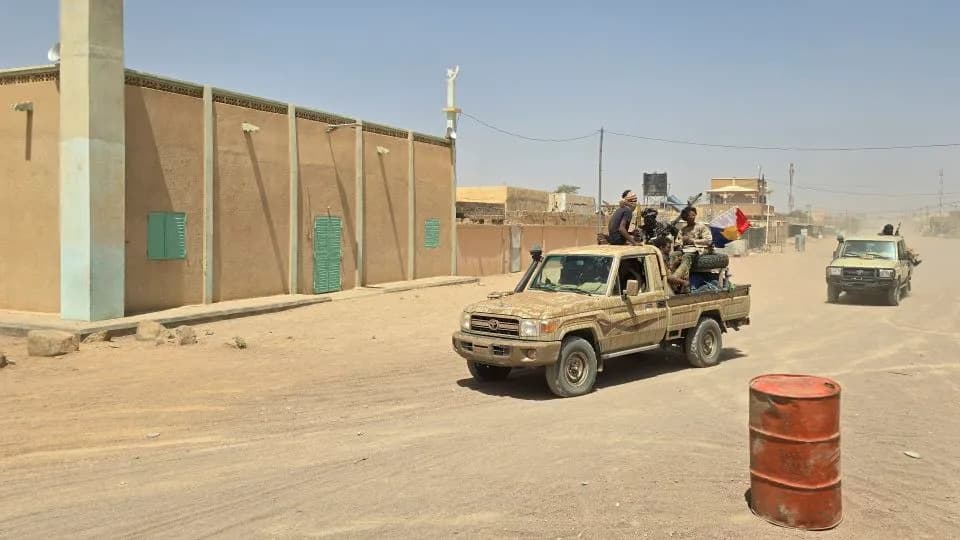
Tuareg rebels of the Azawad Liberation Front (FLA) coalition ride on the back of a pickup truck in Kidal, northern Mali, on April 26, 2026. - Stringer/AFP/Getty Images
When Kremlin-backed troops withdrew from the strategic town of Kidal in northern Mali last month — leaving under the jeers of the very rebels they had been sent to suppress — they abandoned more than territory. The episode exposed widening limits to Moscow’s ability to guarantee security for its partners in the Sahel.
What Happened
On April 25, militants linked to al Qaeda and Tuareg separatists launched a coordinated attack — the most audacious offensive in the region in over a decade — that quickly overran several military positions across northern Mali. Cornered in the desert town of Kidal, the so-called Africa Corps (operating under Russia’s Defense Ministry after replacing the Wagner Group) negotiated safe passage and evacuated its personnel under jeers from Tuareg fighters.
Why It Matters
Kidal’s fall is a reputational blow: The town, retaken by Malian forces with Russian mercenary backing in 2023, had become a symbol of Moscow’s growing influence in the Sahel. The filmed retreat and public humiliation of Russian forces have undermined perceptions of Russia as a dependable security partner.
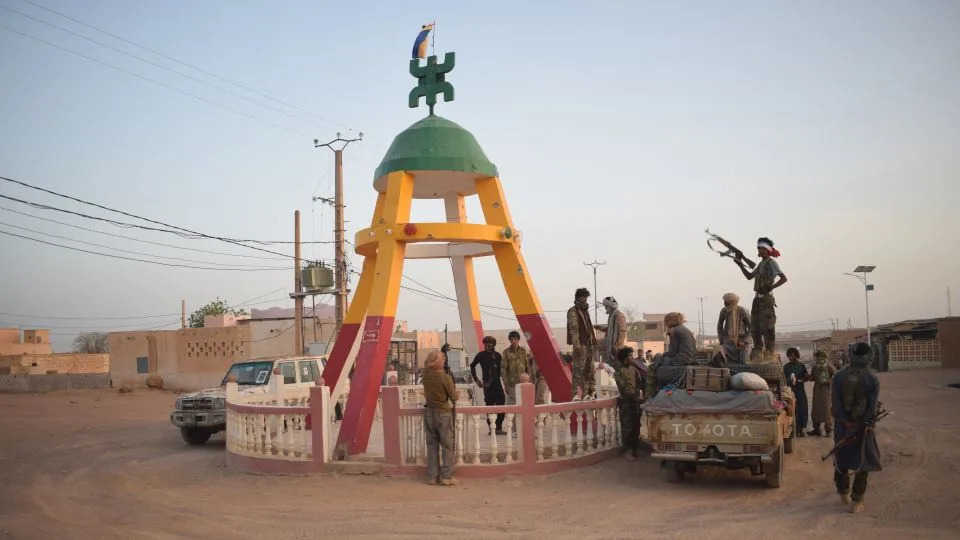
Tuareg rebels of the Azawad Liberation Front (FLA) coalition gather at the Kidal roundabout in Kidal, northern Mali, on April 26, 2026. - Stringer/AFP/Getty Images
Analysts say the withdrawal highlights the limits of a transactional security model that exchanges military support for resource access and political influence — a model that does little to address the Sahel’s deeper governance and socio-economic problems.
Regional Fallout
The crisis intensified after the assassination of Malian Defense Minister Sadio Camara — a Russian-trained officer and central figure in Mali’s pivot to Moscow — who was killed in a suicide vehicle bombing near Bamako. The attack was claimed by Jama’at Nusrat al-Islam al-Muslimin (JNIM), the al Qaeda-linked group, which has since threatened further operations including a possible blockade of Bamako.
Despite these setbacks, Russia remains an important partner for Mali’s junta: it is among the few external actors willing to deploy combat forces directly on the front lines. Yet the Africa Corps’ retreat, heavy Russian casualties in earlier ambushes, and signs of growing local resistance signal that Moscow’s model may not deliver long-term stability.
Broader Context
Russia’s footprint in Africa grew as Western counterterrorism and peacekeeping forces were pushed out of parts of the Sahel between 2022 and 2023. The Wagner Group paved the way with operations in Libya, Mozambique and the Central African Republic (CAR), where ties to mining concessions and resource extraction raised concerns about transactional deals.
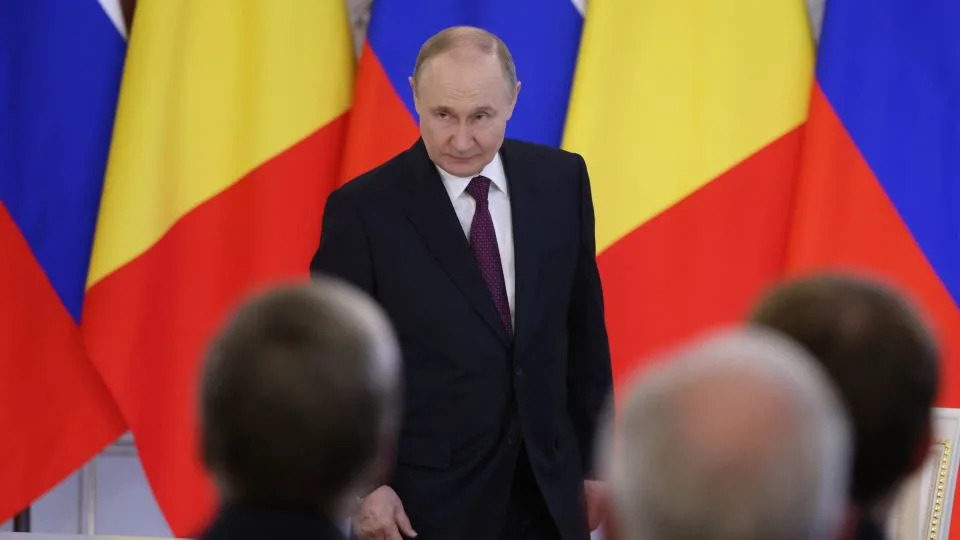
Russian President Vladimir Putin enters the hall during a Russian-Malian meeting at the Grand Kremlin Palace, June 23, 2025, in Moscow, Russia. - Contributor/Getty Images
Mali, along with Burkina Faso and Niger, has sought to diversify by creating the Alliance of Sahel States (AES) and purchasing arms from other partners such as China and Turkey. Still, options are constrained: few states will send ground combat troops, which keeps the junta tied to Moscow for now.
Analysts’ Assessment
Experts argue that Russia’s military assistance delivers tactical gains but fails to solve structural drivers of militancy: weak governance, corruption, socio-economic marginalization, ethnic tensions and lack of state legitimacy. As Bakary Sambe of the Timbuktu Institute put it, Kidal’s recapture marks a significant reputational setback for President Putin in Africa.
Outlook
The Africa Corps’ evacuation from Kidal under rebel jeers has intensified questions about the sustainability of Mali’s security arrangements. The junta faces a stark choice: double down on a single, imperfect external partner, or deepen ties and cooperation across multiple states while addressing the underlying political and social grievances that fuel conflict.
Key facts: The April 25 offensive demonstrated an unusual alliance of militant actors; the Malian defense minister was assassinated shortly after; and Russia’s model of security-for-resources continues to deliver short-term military support but limited political stability.
Help us improve.