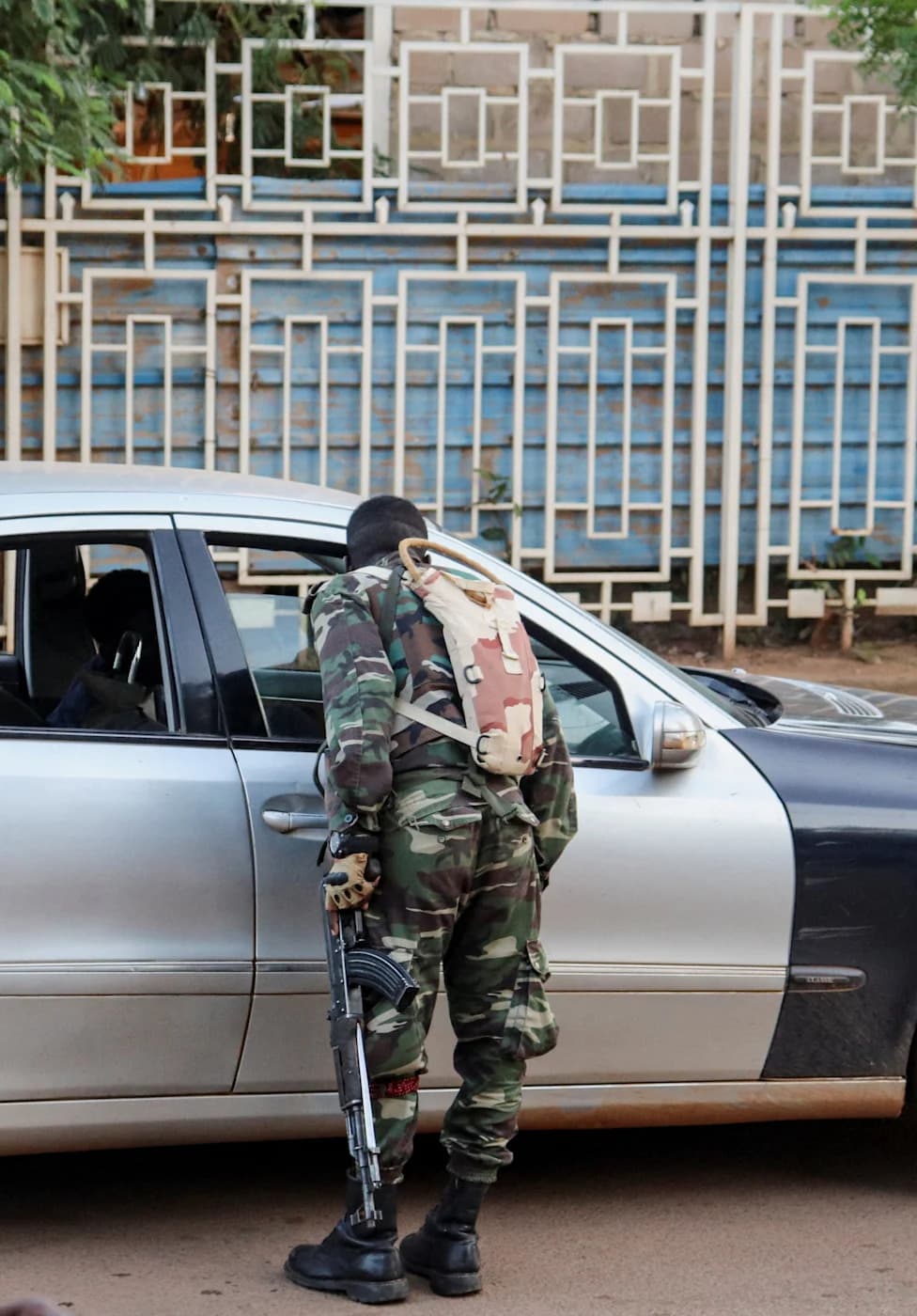
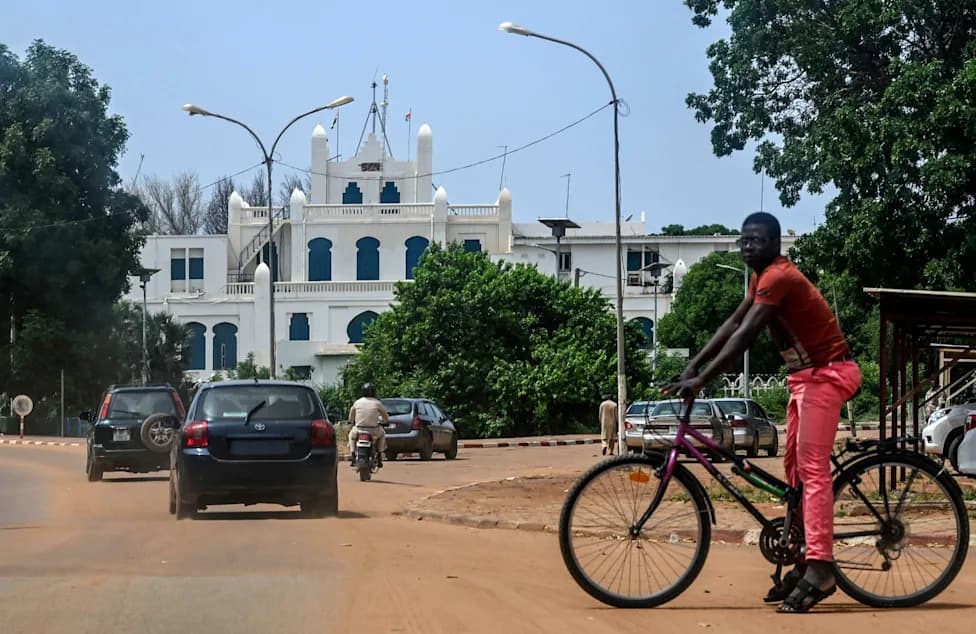
The failed August 29 mutiny in Niger highlighted President Abdourahamane Tchiani's growing reliance on Russian military support after dissident soldiers attacked Air Base 101, the presidential palace and the national broadcaster. About 200 Russian Africa Corps troops helped retake the airbase; at least 27 people were killed and roughly 100 mutineers detained. Analysts attribute the unrest to frontline troops' grievances over casualties, deployments and pay, and say the incident raises doubts about the Alliance of Sahel States' cohesion and unverified foreign links.
Failed Niger Mutiny Exposes President Tchiani's Deepening Dependence on Russia
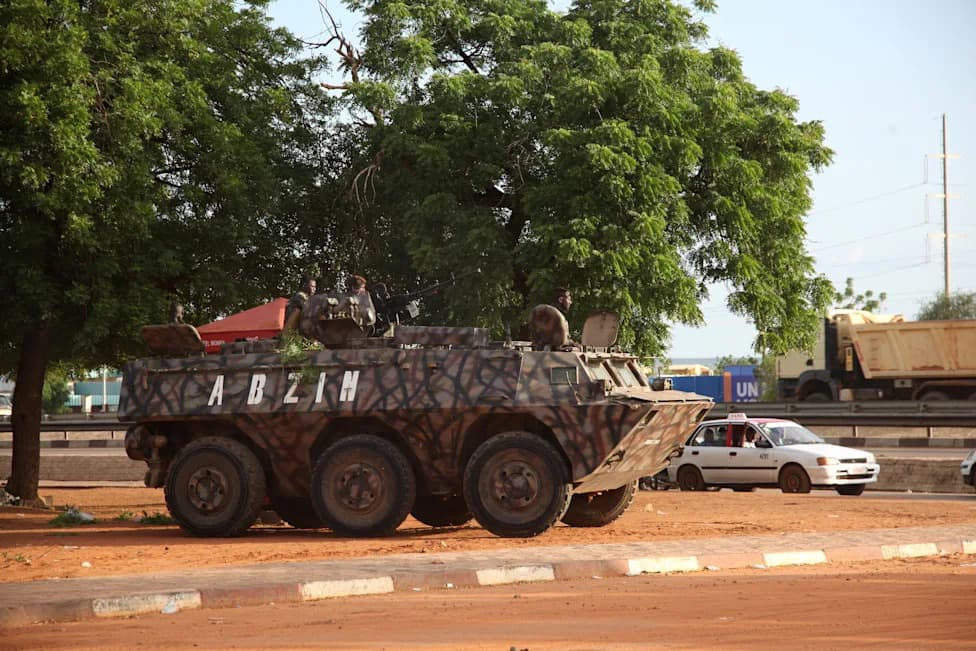
A military armoured vehicle takes position on a street following a mutineers’ attack on the airport and presidential palace in Niamey, Niger, on August 30, 2026 [Reuters]
Niamey, Niger — The failed mutiny on August 29 revealed how heavily President Abdourahamane Tchiani (also spelled Tiani) now relies on Russian support when his government faces threats from within its own security forces.
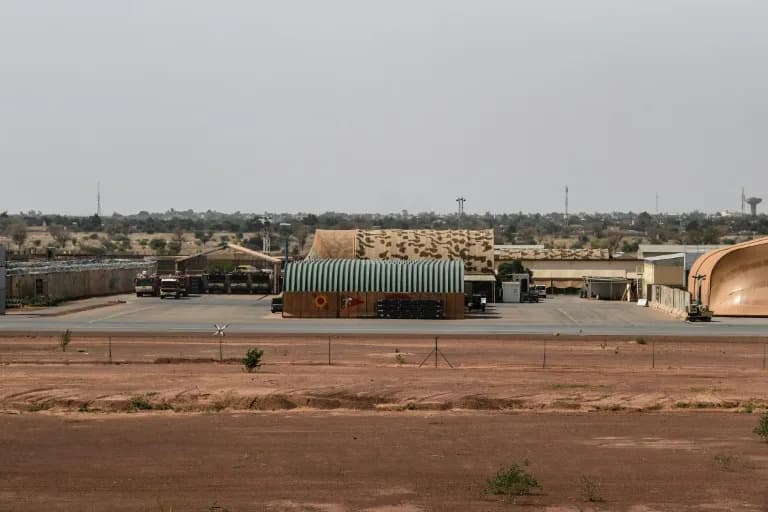
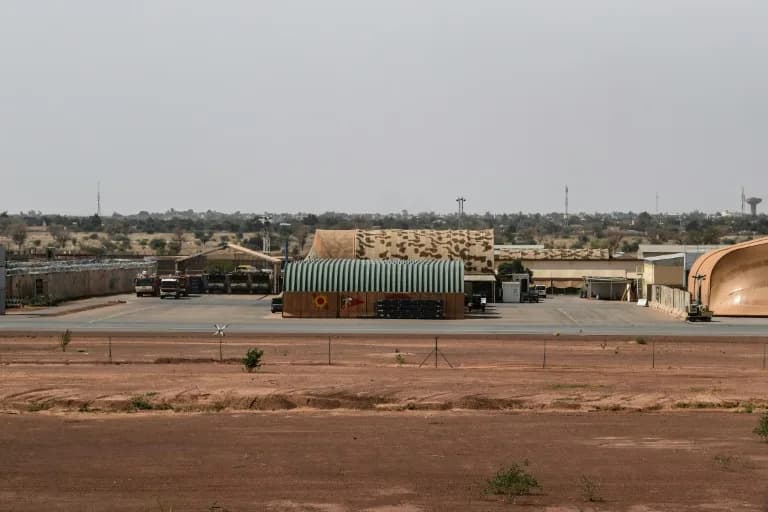
On August 29, a group calling itself the Armed Forces for the Restoration of the Homeland launched a coordinated assault on Air Base 101 at Niamey’s international airport, the presidential palace and the national broadcaster. During the fighting a circulated statement falsely claimed that Tchiani had been removed from power.
Presidential guard units loyal to Tchiani held the palace overnight. Meanwhile, roughly 200 soldiers from Russia’s Africa Corps — supported by drones and reportedly reinforced by personnel from Mali and Libya — helped retake Air Base 101 by evening. Authorities reported at least 27 dead and about 100 mutineers detained.
Who Turned the Tide
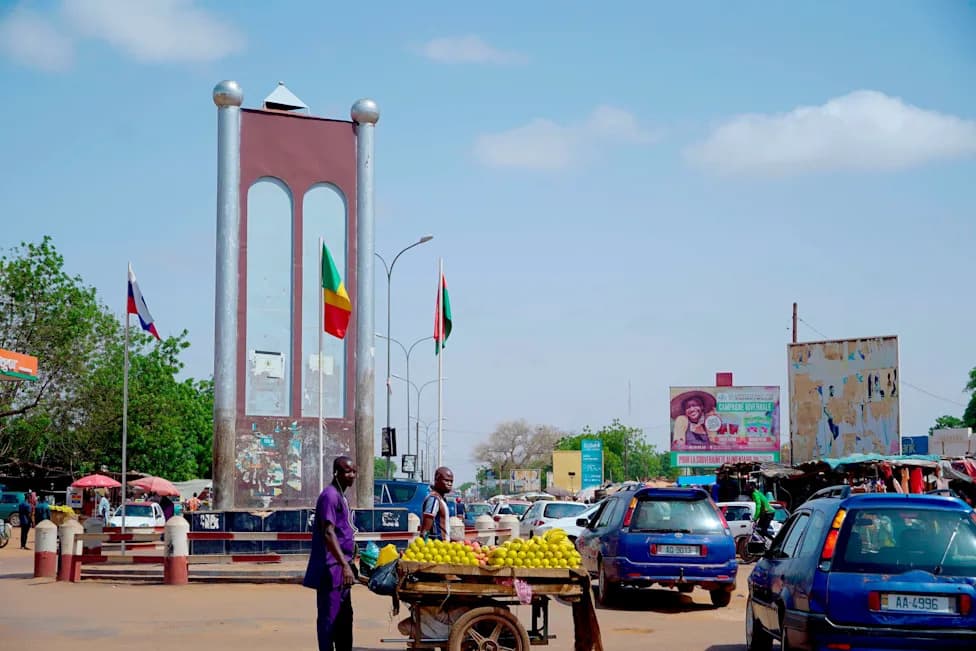
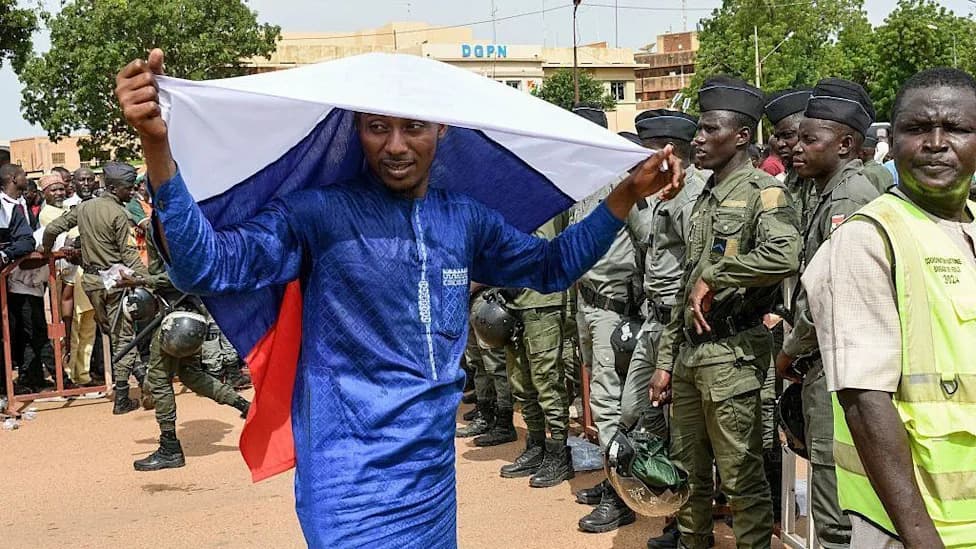
The episode underlined who Tchiani could rely on when internal dissent threatened his rule: Nigerien troops kept control of the presidential palace, while Russian personnel and equipment played a decisive role in recapturing the strategic airbase. That marks a clear expansion of Moscow’s role beyond counterinsurgency assistance to include direct protection of the ruling military government.
Root Causes of the Mutiny
Analysts say the mutiny reflected long-simmering grievances in the armed forces. Ryan Cummings, head analyst at Signal Risk, told Al Jazeera that the uprising sprang from multiple sources, most notably heavy casualties sustained by frontline units and growing disparities in deployment and remuneration.
'The insurrection indicates discord within the Nigerien armed forces,' Cummings said. 'Junior to middle-ranking soldiers face front-line combat against well-equipped militant units and often receive lower pay and riskier deployments than senior units such as the presidential guard.'
Those gaps — between frontline troops and better-protected, higher-paid units in the capital — are widely cited as a core driver of the unrest.
Regional Ramifications
The episode also raised questions about the effectiveness of the Alliance of Sahel States (AES). Romane Dideberg of Chatham House noted that Niger's Sahelian partners were largely passive during the crisis, reacting only after the mutiny had been neutralised, which highlights operational and political limits in the confederation’s security arrangements.
'What the security response says about the cohesion of the Alliance of Sahel States might be one of the most telling elements of the mutiny,' Dideberg said.
Allegations of Foreign Links
Alongside the confirmed Russian involvement, unverified allegations have circulated about possible links to actors in France, the United Arab Emirates and regional officers amid broader tensions over projects such as the Trans-Saharan Gas Pipeline. On September 4, Captain Roger Gabriel of the elite 1st Parachute Battalion accused associates of deposed President Mohamed Bazoum and officers from neighboring countries of involvement, and claimed contact from UAE actors; these claims remain unproven.
Hossamaldeen Ibrahim of the Bloomsbury Intelligence and Security Institute warned that Emirati influence in the Sahel has been growing through formal partnerships, commercial ties and informal networks, making such allegations worthy of careful scrutiny even if they are not yet substantiated.
What It Means For Tchiani
Although Tchiani survived the mutiny, the failed attempt exposed fractures within his military, underscored his increasing reliance on Russian forces, and raised fresh doubts about how much practical support his regional allies can provide in a crisis. As Dideberg warned, the episode calls both the effectiveness and the sincerity of regional mutual-assistance arrangements into question.
Note: Many of the accusations regarding foreign involvement remain unverified and should be treated cautiously pending independent confirmation.
Help us improve.