Russia will open eight more "Russian Houses" in Africa as part of 11 new cultural and educational sites announced globally. The centres, run by Rossotrudnichestvo, aim to promote the Russian language, higher education links, scholarships and cultural exchanges, with a micro-grant programme due in 2027. The move coincides with deeper security ties through the African Corps — the successor to Wagner — which has become a key partner for several West African juntas.
Russia Expands 'Russian Houses' Across Africa to Deepen Cultural and Educational Ties
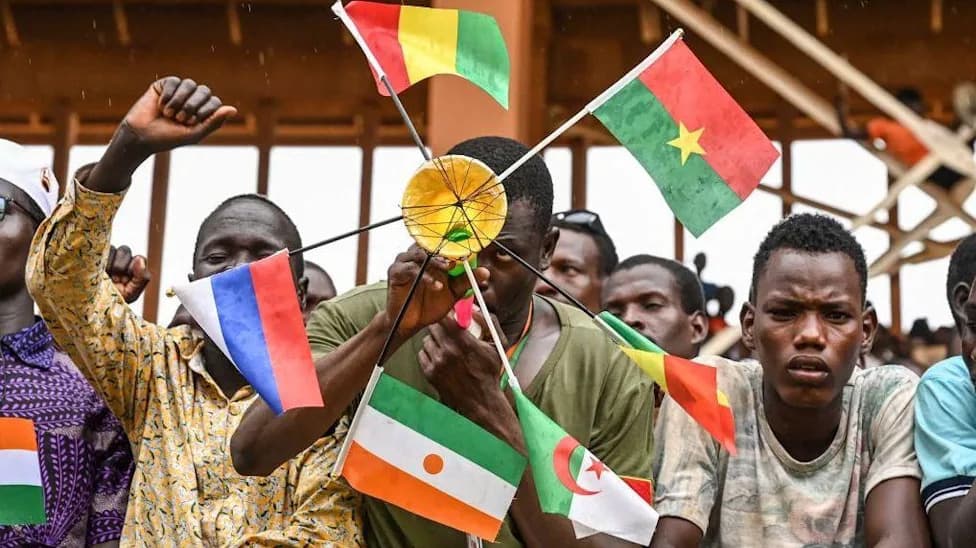
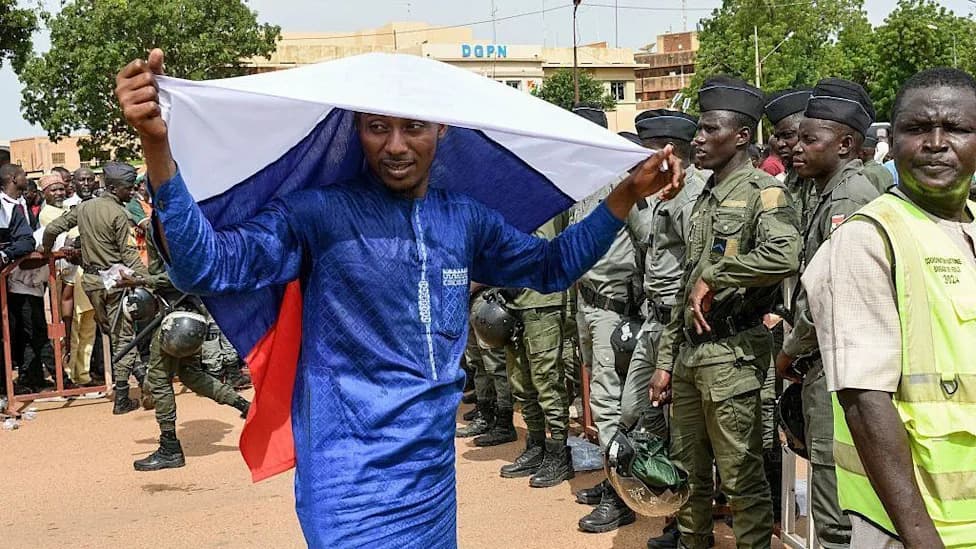
Some "Russian Houses" already exist in Africa - including in key allies such as Mali, Burkina Faso and Niger [AFP via Getty Images]
Russia is expanding its network of cultural and educational centres — known as "Russian Houses" — across Africa as part of a broader push to strengthen ties on the continent beyond military and security cooperation.
What Are Russian Houses?
Run by Rossotrudnichestvo, these centres are designed to promote the Russian language, education, science and culture while supporting local projects through scholarships, exchanges and training programmes.
New Sites And Scope
Of 11 additional sites announced globally, eight will open in Africa: the Democratic Republic of Congo, Kenya, Madagascar, Mali, São Tomé and Príncipe, Senegal, Sierra Leone and Togo. Russia has already established 16 Russian Houses on the continent over the years.
Soft-Power Goals
Rossotrudnichestvo says the expansion aims to cultivate longer-term relationships via university partnerships, language courses, cultural events and exchange programmes. A micro-grant programme to fund educational, cultural, scientific, technological and youth projects is planned to begin in 2027.

[BBC]
Security Context
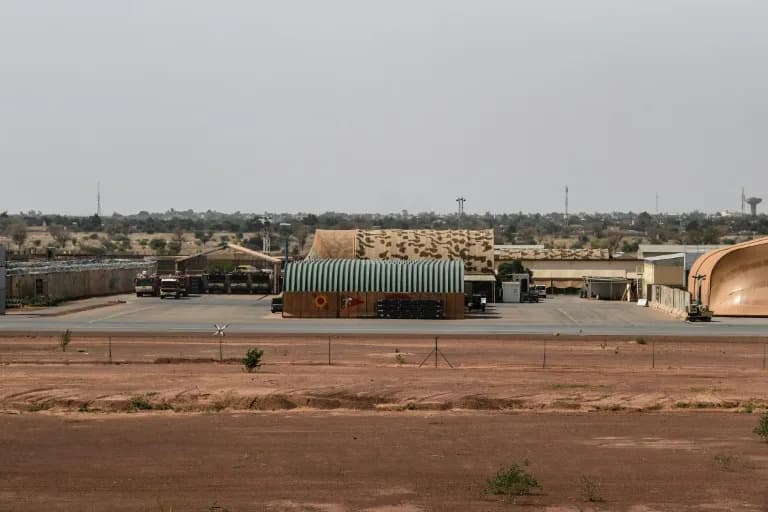
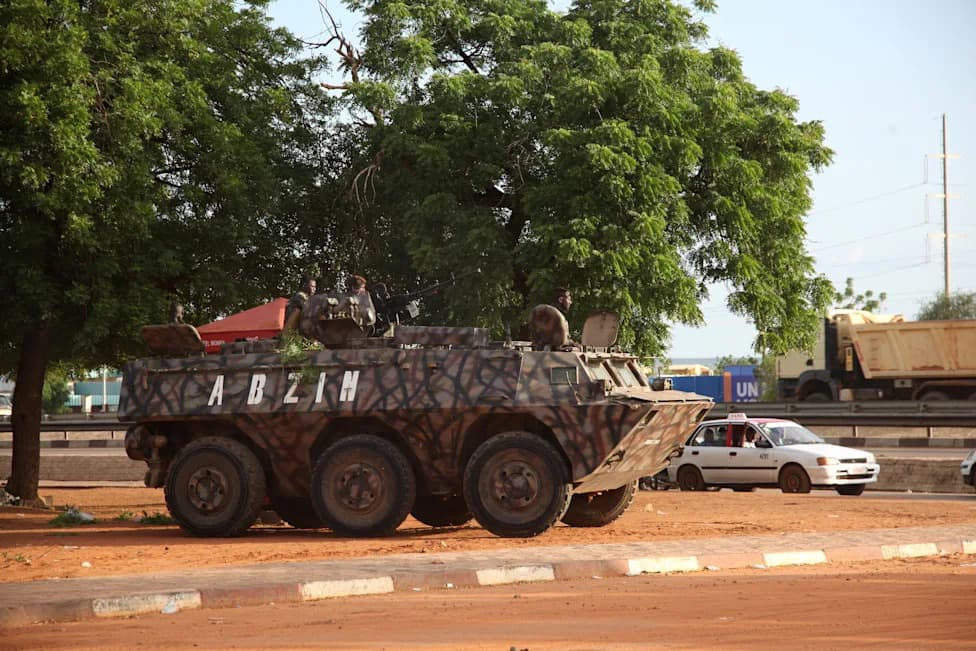
Alongside these soft-power initiatives, Russia's state-controlled paramilitary force, the African Corps — the successor to the Wagner Group — has become a prominent security partner for several West African juntas combating jihadist insurgencies, notably in Mali, Niger and Burkina Faso. The UN peacekeeping operation in Mali ended in December 2023.
Recruitment Concerns
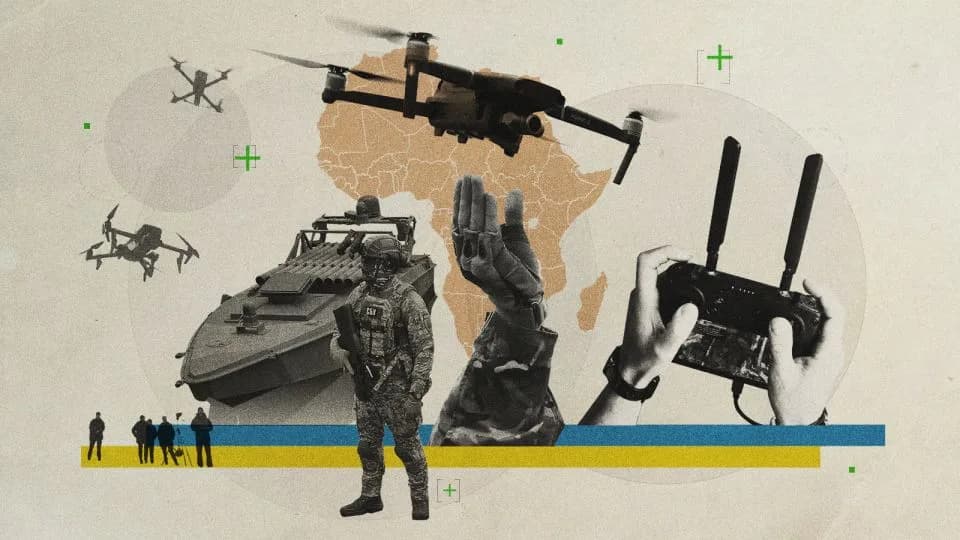
There has also been a reported rise this year in Africans recruited to fight in the Russia–Ukraine war. Kenya was highlighted among countries with significant numbers of recruits; Kenyan authorities blamed employment agencies for luring men with work offers that resulted in battlefield deployment. Moscow maintains that foreign volunteers join "in full compliance with Russian law," and in March agreed not to deploy Kenyan recruits to front-line combat.
Partnerships And Implementation
Rossotrudnichestvo plans to strengthen local partner organisations to run the Russian Houses and create what it describes as a "full‑fledged international network." To support the expansion it has signed an agreement with the Association for Economic Cooperation with African Countries (AECAS), a Russia–Africa trade and business networking body established in 2020.
"We're significantly changing the programme itself. We're increasing the intensity of our work and the level of oversight," said Igor Chaika, head of Rossotrudnichestvo. He added that education will be tailored to local needs — training doctors where doctors are needed and other specialists as required — and stressed the importance of students returning home to apply their skills.
Analysts say the combination of cultural outreach and security cooperation reflects a broader Russian strategy to build influence across Africa by offering both soft-power incentives and hard-power support.
Help us improve.