U.S. Senator Marco Rubio sought to downplay a Pentagon plan to withdraw 5,000 troops from Germany, calling the drawdown "already ongoing" and saying it mostly restores 2022 levels. Speaking in Rome, Rubio emphasized President Trump has not decided on any further cuts and that any additional moves would be the president’s call. European leaders remain concerned about U.S. reliability and are seeking clarity on future force posture in Europe.
Rubio Downplays Planned U.S. Troop Drawdown From Germany as Trump Weighs Further Cuts
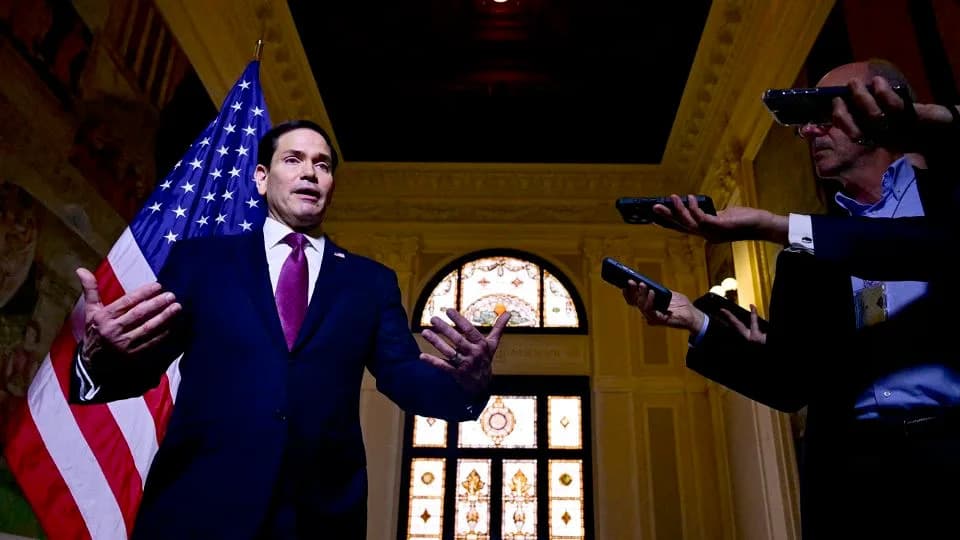
U.S. Secretary of State Marco Rubio speaks to the press at the US Embassy in Rome on May 8, 2026. (Photo by Stefano RELLANDINI / POOL / AFP via Getty Images) - Stefano Rellandini/AFP/Getty Images
WASHINGTON / ROME — U.S. Senator Marco Rubio on Friday sought to downplay a Pentagon plan to withdraw 5,000 American troops from Germany, saying the reduction is already underway and stressing that President Donald Trump has not yet decided whether to order additional cuts across Europe.
Speaking in Rome after meetings with senior Italian officials, Rubio worked to separate the announced troop movement from Mr. Trump's broader criticism of NATO and its members — including Italy — over what the administration described as insufficient support for U.S. actions relating to Iran.
Rubio, a long-standing proponent of NATO, acknowledged European concern about the implications of the drawdown but said further reductions are not finalized. He emphasized that any additional troop movements would be a presidential decision, informed by his team and other advisors.
"The troops represent less than 14% of our total troop presence there," Rubio said at a Friday press conference. "That’s already pre-programmed. In fact, all it did was take us back to where we were in 2022."
Rubio added: "There was always a plan to do some shifting within NATO," but cautioned that if allied capabilities no longer allow U.S. forces stationed in Europe to be projected to other contingencies, that would be a problem requiring review.
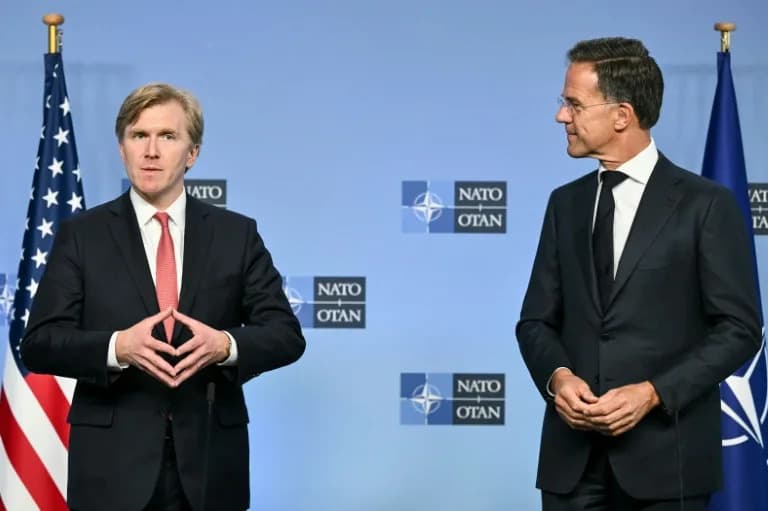
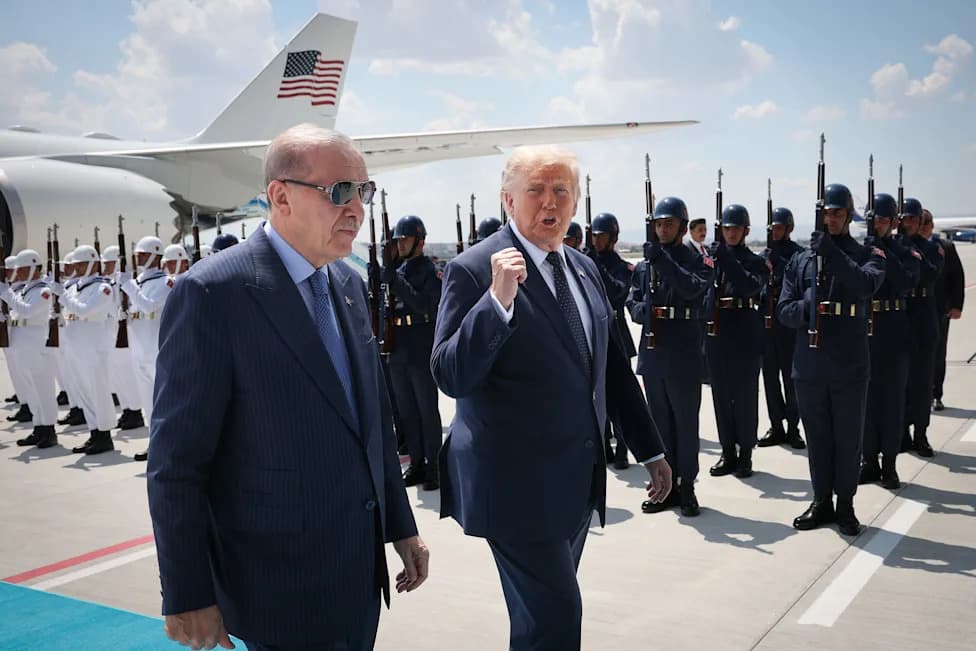
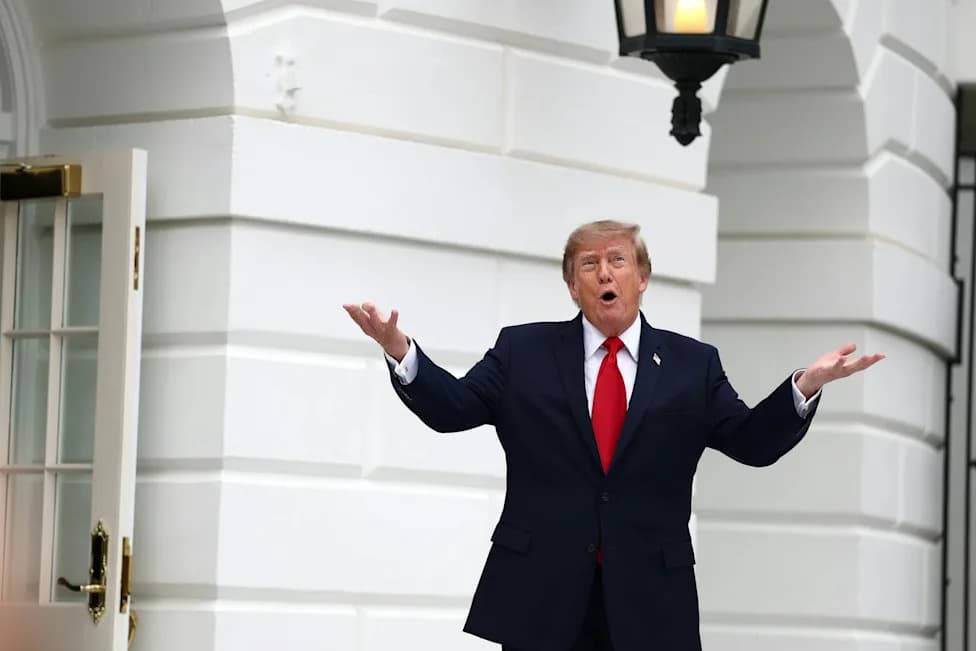
European officials have voiced unease that the move could signal a broader retrenchment of American commitments. Mr. Trump has repeatedly threatened additional cuts to U.S. forces in Germany, leaving some allies uncertain about Washington’s intentions. Efforts by leaders such as Dutch Prime Minister Mark Rutte to highlight allied contributions — including operations to protect freedom of navigation in the Strait of Hormuz — have so far done little to change the administration’s posture.
Rubio reiterated that the president had not made final decisions on further force changes. "Ultimately, that’s a decision for the president to make," he said. "His team and people like myself and others will provide him what those potential options are, but ultimately he’ll have to make that decision. He hasn’t made those decisions yet."
Rubio, who met with Italian Prime Minister Giorgia Meloni, said they did not discuss specific scenarios such as a U.S. withdrawal from NATO or troop reductions in Italy. As a senator, Rubio has supported legislation aimed at limiting a president’s ability to withdraw the United States from NATO without congressional input.
A State Department readout said the pair discussed "the importance of continued transatlantic collaboration to address global threats." On X, Prime Minister Meloni described the meeting as "a frank dialogue between allies who defend their own national interests but who both know how precious Western unity is."
The Pentagon announced the planned drawdown last week; officials describe the movement as a repositioning that returns U.S. forces in Germany to earlier 2022 levels. Allies are watching closely for any further decisions from Washington that could reshape long-standing security arrangements in Europe.
Help us improve.