Overview: Russia’s Victory Day is expected to be subdued this year, with no rehearsals or military hardware on display. Security restrictions will limit President Vladimir Putin’s public role on Red Square. Analysts say public support has weakened—one wrote that “Putin’s magic is fading”—and rumors of a coup are circulating. Official polls put his approval at its lowest since the 2022 invasion of Ukraine, while prominent critics have spoken out.
Russia’s Victory Day Marked by Muted Observance Amid Growing Discontent
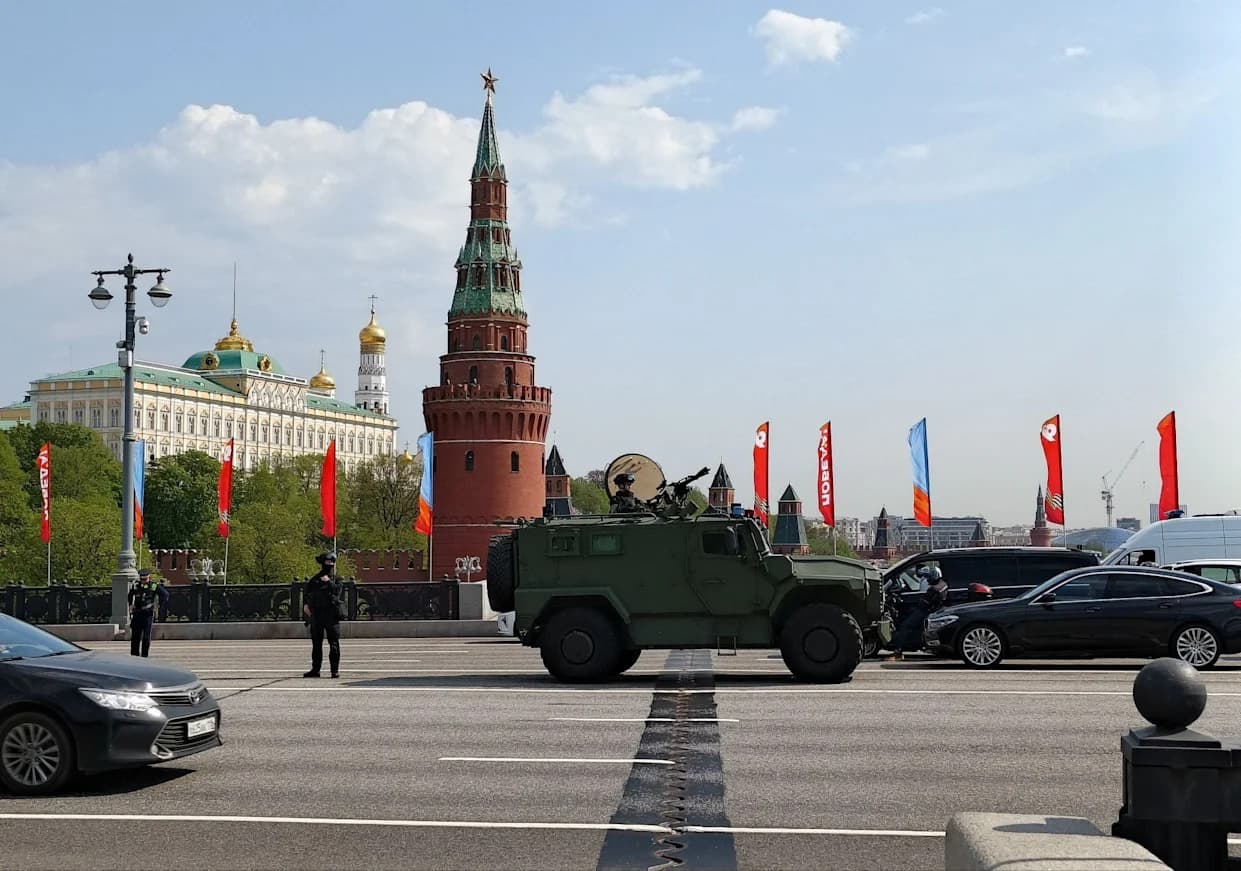
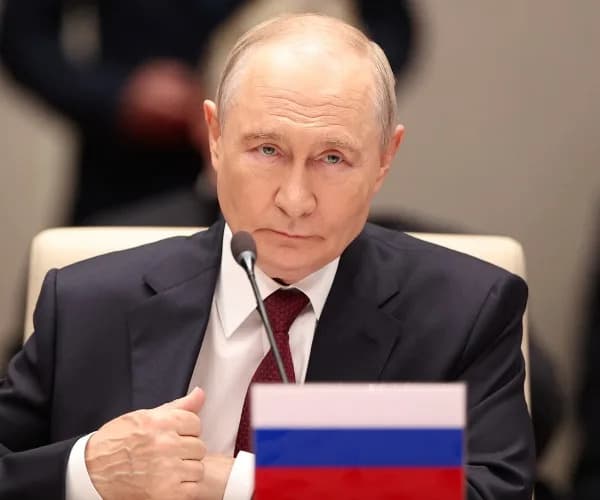
Russia’s annual Victory Day observances, which commemorate the Soviet defeat of Nazi Germany in World War II, are expected to be noticeably subdued this year. Traditionally accompanied by months of rehearsals and a large military parade on Red Square, the event will proceed without rehearsals or public displays of military hardware.
Officials say heightened security concerns will limit President Vladimir Putin’s public appearances on Red Square. The scaled-back program and absence of military hardware mark a sharp departure from past, highly choreographed ceremonies.
Political Context
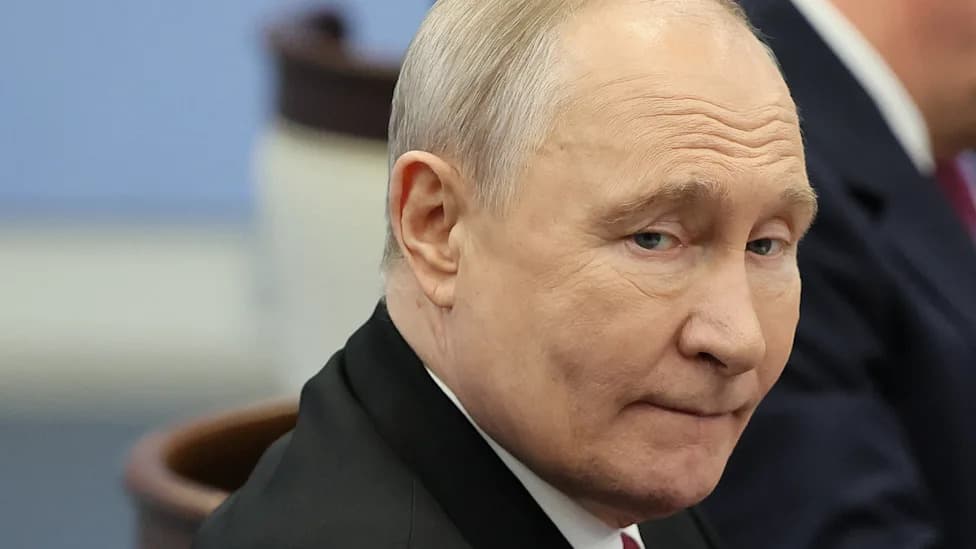
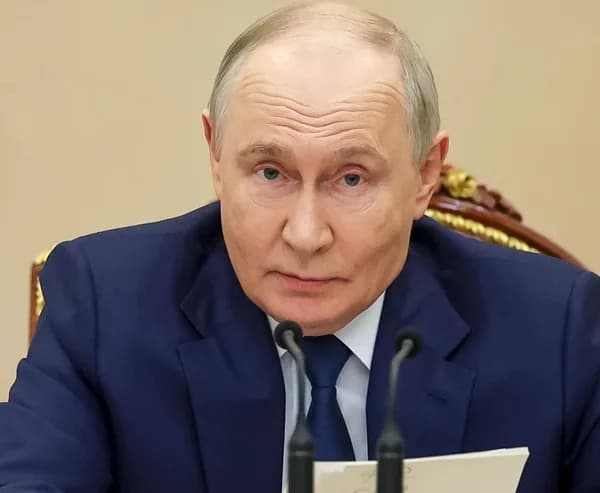
Analysts point to growing domestic unease. A scholar at the Carnegie Endowment observed that “Putin’s magic is fading,” and other commentators report circulating rumors of a potential coup. Even official polling shows Mr. Putin’s approval rating at its lowest point since Russia’s full-scale invasion of Ukraine in 2022.
“Putin’s magic is fading,” a Carnegie Endowment scholar wrote, reflecting the sense of waning public confidence.
High-profile Russians have been unusually outspoken: one former supporter publicly called Mr. Putin a “war criminal” in March and, surprisingly, has not been imprisoned. Such visible dissent, together with a muted public commemoration, underscores the domestic challenges facing the Kremlin ahead of a traditionally symbolic national holiday.
What to watch: whether the muted ceremony signals a longer-term shift in how the Kremlin stages national memory and whether public discontent translates into broader political consequences.
Help us improve.