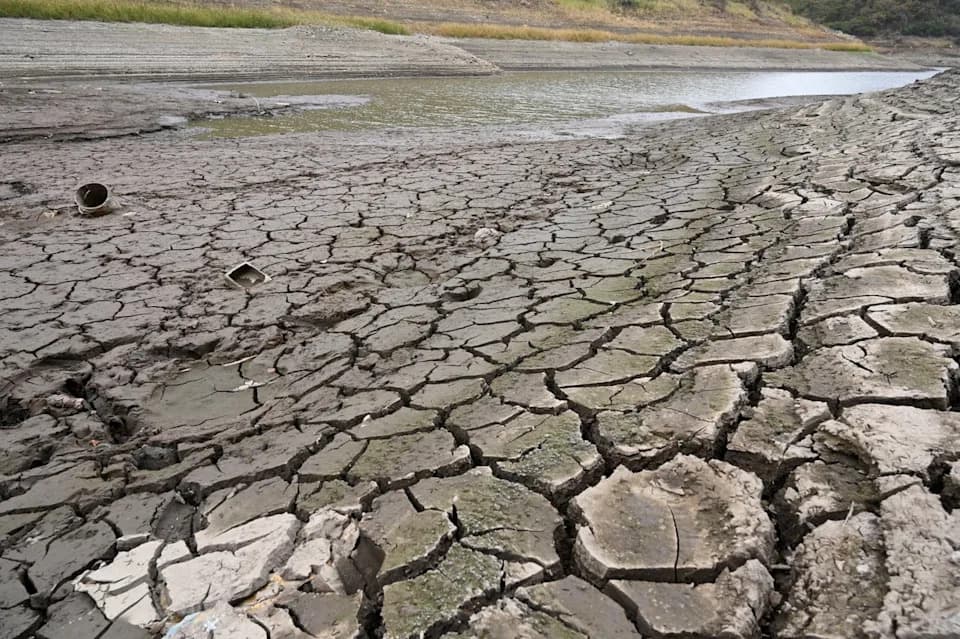
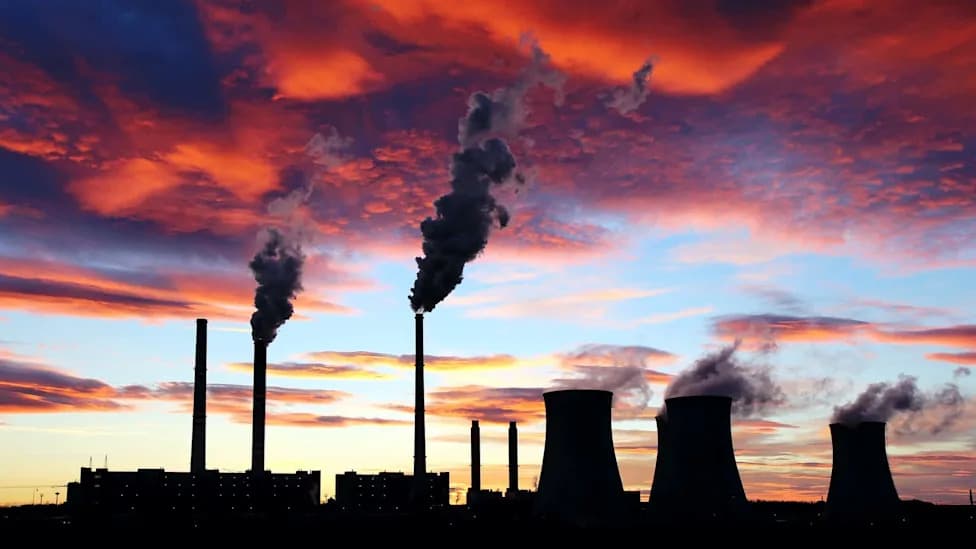
Scientists warn the tropical Pacific is trending toward a strong El Niño that, combined with human‑driven warming, could push global average temperatures above the 1.5°C threshold within 12–18 months. A December 2025 Nature Communications study defines "super El Niños" (sea‑surface temperature anomalies >2σ) and links them to long‑lasting "climate regime shifts" that reshape ocean and land systems. Past super El Niños (1982–83, 1997–98, 2015–16) produced extended marine heat waves, coral die‑offs and persistent drought and heat patterns. The UN warns adaptation finance and planning are far short of what’s needed to prepare for these amplified, lasting impacts.
Super El Niño Could Push Global Temperatures Past 1.5°C — And Trigger Lasting Climate Shifts
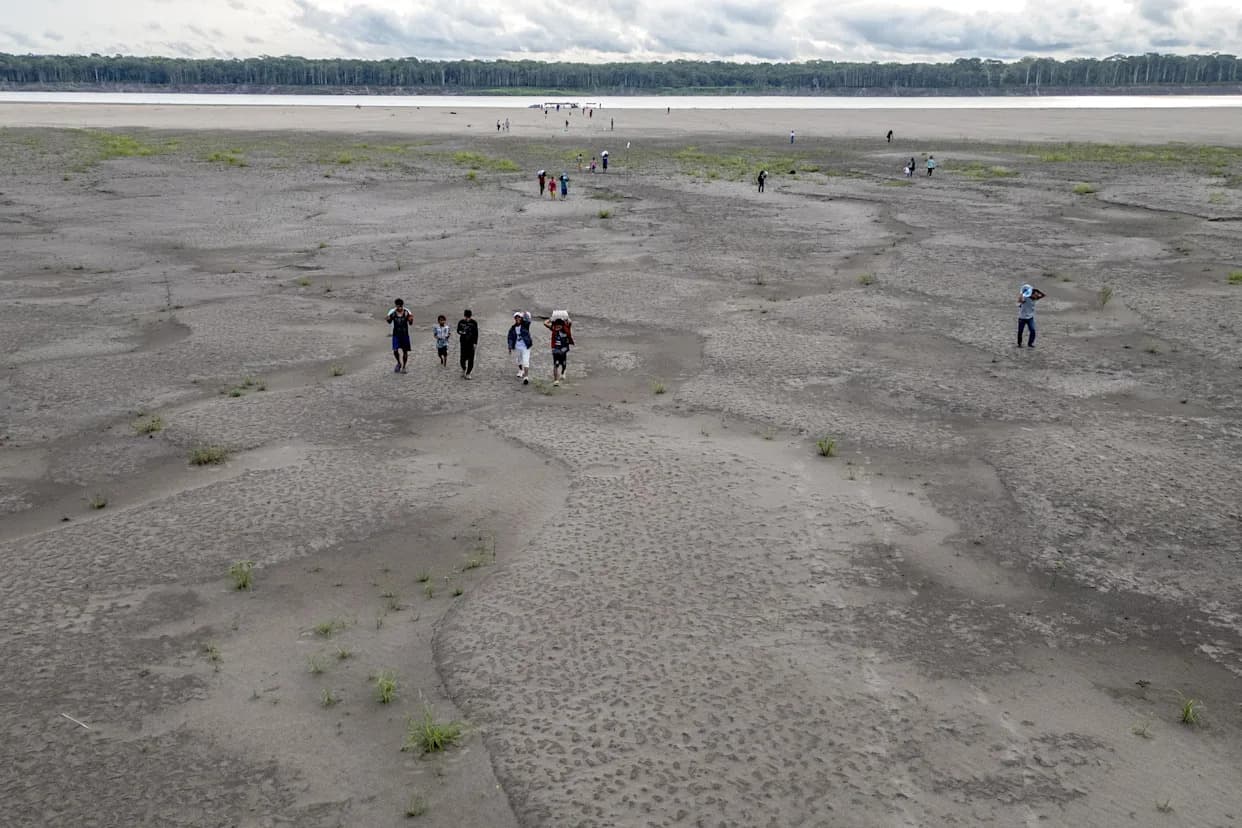
Yagua Indigenous people carrying water and goods due to the low level of the Amazon River in Colombia, in October 2024. | Luis Acosta/AFP via Getty Images
The tropical Pacific is showing signs of brewing toward a strong El Niño — the warm phase of a large ocean‑atmosphere cycle that redistributes heat around the globe. In a world already warmed by greenhouse gases, an unusually powerful El Niño in the next 12–18 months could push the planet’s average annual temperature above the 1.5°C threshold and amplify long‑lasting climate impacts.
What Is El Niño — And What Makes a "Super" Event?
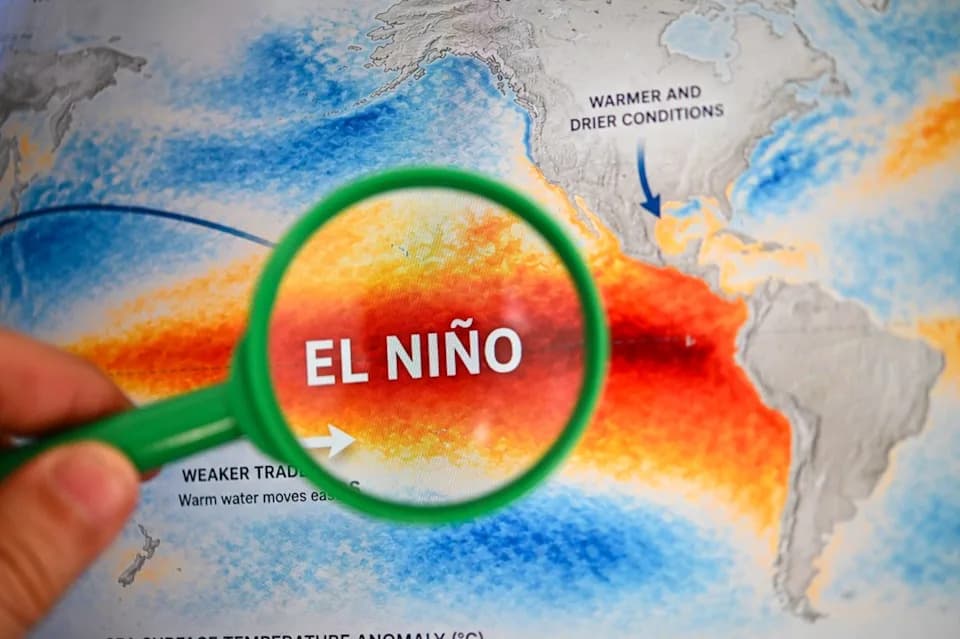
El Niño releases vast stores of ocean heat into the atmosphere when equatorial winds and currents shift, sending warm water eastward from the Western Pacific Warm Pool toward the central and eastern tropical Pacific. That heat flux alters upper‑level winds, raises global temperatures, and drives extreme weather worldwide.
A "super El Niño", according to a December 2025 study in Nature Communications, is defined when the tropical Pacific sea‑surface temperature anomaly exceeds two standard deviations above normal — a signal well outside ordinary variability and one that can trigger systemic, persistent changes in climate patterns.
How a Super El Niño Could Break Records
Past powerful El Niños helped push global temperatures to new highs: the 2015–16 event contributed to the first year above 1°C relative to pre‑industrial levels, and the 2024 global mean temperature — the hottest on record — was aided by El Niño conditions. Climate scientist James Hansen has said that even a moderately strong El Niño in the coming 12–18 months could lift the global average to roughly 1.7°C above pre‑industrial levels, and that temperatures may not return below 1.5°C afterward.
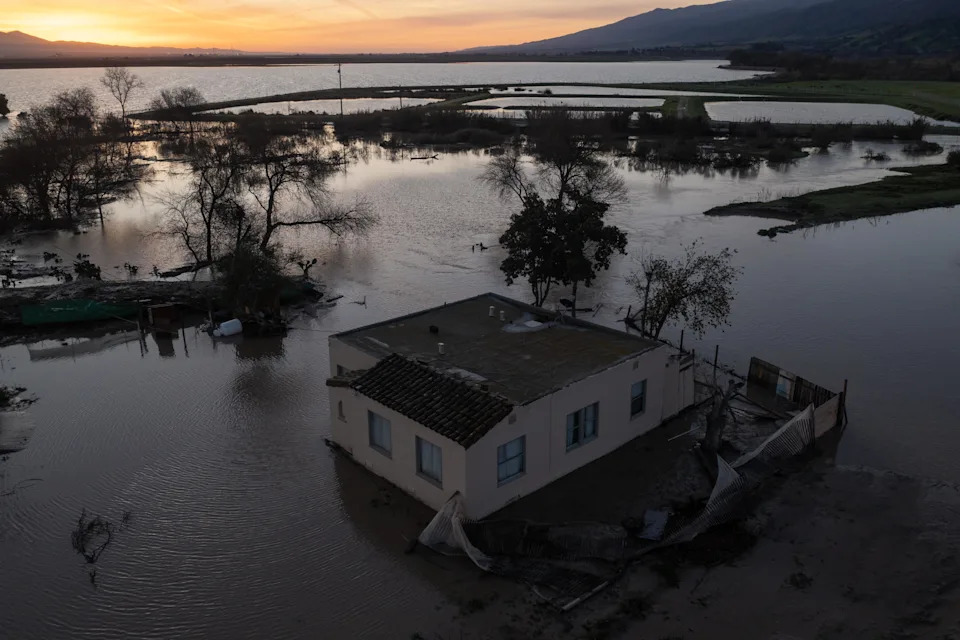
A flooded area of Chualar, California, near the Salinas River after a series of storms hit the area in 2022 — a rapid swing from extreme drought. A strong upcoming El Niño is expected to intensify climate shocks.|David McNew/Getty Images
Evidence of Regime Shifts and Long‑Lasting Impacts
The Nature Communications study found that super El Niños behave less like brief weather episodes and more like climate shocks capable of pushing parts of the Earth system into new, persistent states — so‑called "climate regime shifts." Only three super El Niños are on record (1982–83, 1997–98, 2015–16), and each was followed by extended marine heat waves, widespread coral bleaching, mass die‑offs of marine life, and persistent drought and heat patterns on land.
Co‑author Jong‑Seong Kug of Seoul National University notes that super El Niño signals have been detected in ocean hotspots (central North Pacific, southeastern Indian Ocean, southwestern Pacific, Gulf of Mexico) and in terrestrial indicators such as soil moisture changes across central southern Asia, central Australia, the Amazon and western Greenland. When soil moisture stays abnormally low for years, crops, water supplies and food security face repeated, compounding stress.
Implications for Societies and Ecosystems
Stronger and more persistent El Niño impacts can exacerbate risks already driven by long‑term warming: more intense droughts and floods, longer fire seasons, degraded fisheries and coral reefs, disrupted agricultural calendars, and deadly urban heat at night. These changes strain infrastructure, public health systems and food and water security, particularly in vulnerable regions.
Adaptation Gap and What Needs To Change
The UN Environment Programme’s 2025 Adaptation Gap Report estimates international public adaptation finance fell to about $26 billion in 2023, while developing countries will need roughly $310–365 billion per year by 2035 to prepare for worsening heat, floods and droughts. The UNEP report urges a shift from reactive projects to anticipatory, strategic and transformational adaptation — redesigning water systems, cities, agriculture and infrastructure for a new climate baseline.
What Scientists Recommend
Researchers emphasize improving early warning systems, expanding climate‑resilient infrastructure, and scaling finance for anticipatory adaptation. Understanding how super El Niños interact with long‑term warming helps governments and communities plan for not just one season of extremes, but for potentially persistent shifts in regional climate.
Bottom line: A brewing strong El Niño could temporarily — or even permanently — raise global temperatures above 1.5°C and trigger persistent changes in weather and ocean systems. Preparing now with strategic, forward‑looking adaptation is essential to reduce the risks.
Help us improve.