China has rapidly become a large-scale testbed for consumer and enterprise AI, with more than 600 million generative-AI users as of December — a 142% year-on-year jump. Popular agentic tools like OpenClaw are being used for everyday tasks and business workflows, from auto-generating marketing content to building websites in minutes. While U.S. export controls on advanced chips remain a bottleneck, Beijing’s investments in R&D, infrastructure and talent are narrowing the U.S.-China gap and accelerating domestic innovation.
China’s Rapid AI Adoption Is Becoming a Global Test Case
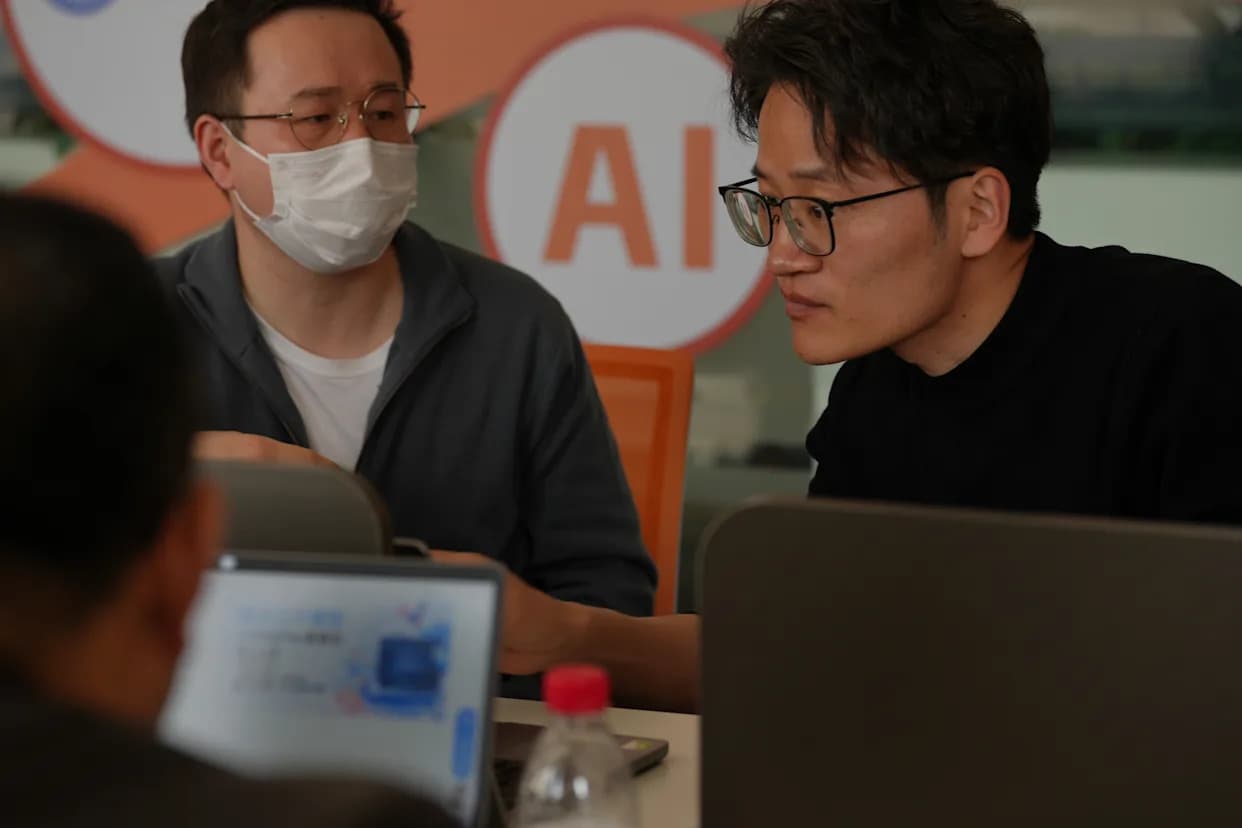
People install RedClaw AI software on their laptops in Beijing on March 22, 2026. (AP Photo/Andy Wong)
On a recent weekday in Beijing, roughly 50 people queued outside a mobile internet company’s headquarters for help installing an AI assistant. Similar scenes replayed for days and resurfaced in Shenzhen in March, as engineers helped crowds set up the popular agent-style tool OpenClaw on laptops and phones.
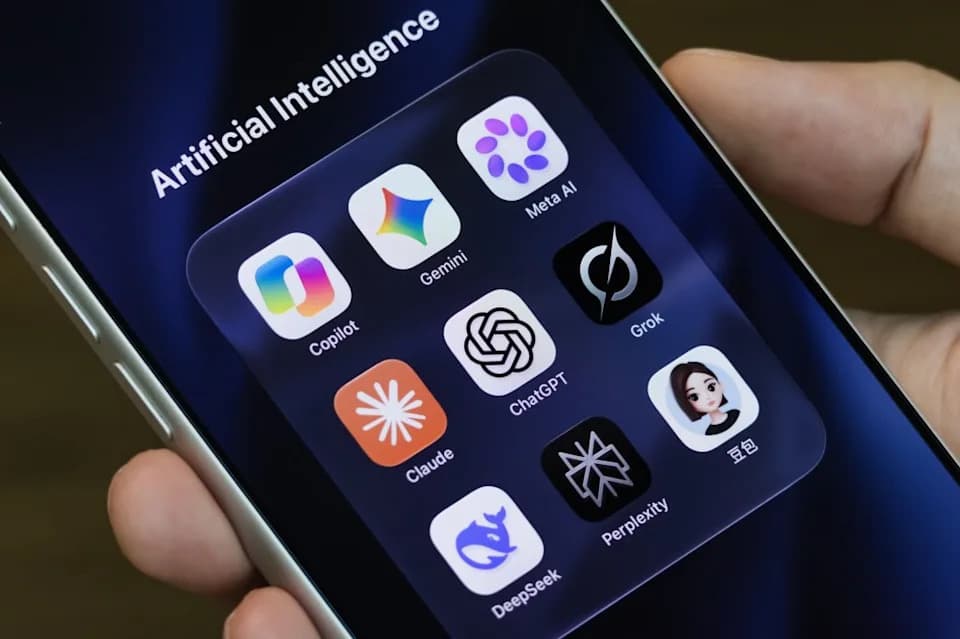
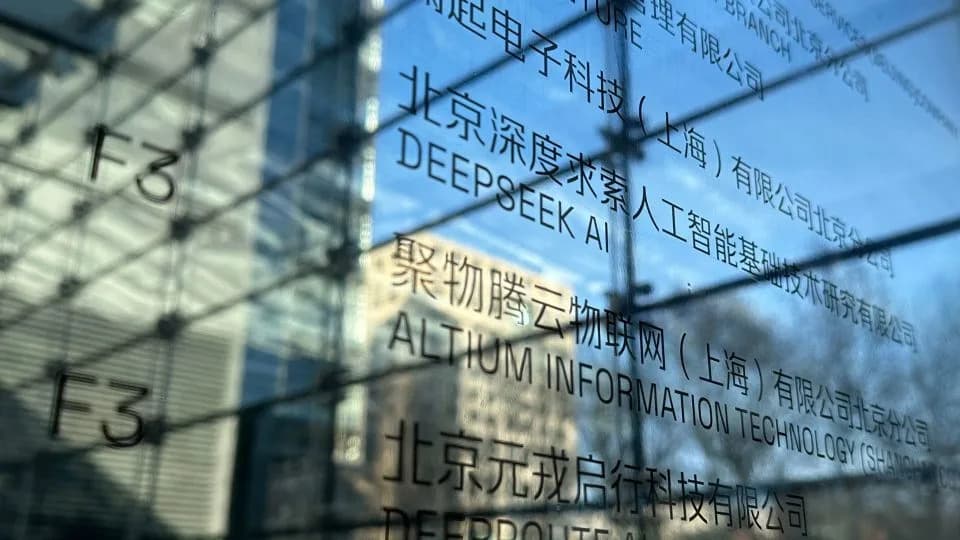
More than a year after DeepSeek — a Chinese rival to OpenAI — surprised observers with an advanced model, China has emerged as a large-scale testing ground for both consumer and enterprise AI tools. While U.S. models still lead in raw computing power, Chinese users and companies have rapidly adopted generative and agentic AI across everyday and professional tasks.
A government-controlled report from the China Internet Network Information Center found that of China’s 1.4 billion people, more than 600 million were using generative AI as of December — a 142% increase year-on-year. Chinese consumers rely on AI for travel planning, food delivery, ride-hailing and personal services, and businesses are increasingly embedding AI into workflows to boost efficiency.
Usage growth has driven up the volume of data consumed by Chinese AI models. Measured in tokens (units of text such as subwords), the weekly share used by Chinese models recently surpassed that of U.S. models, according to OpenRouter, an AI gateway platform that tracks cross-model usage and enforces security.
Real users, real use cases: For people such as Jason Tong, a 64-year-old retired IT engineer in Shanghai, chatbots like Doubao and Kimi have been everyday tools for years. He recently joined a blood-glucose monitoring service that uses an AI model to generate tailored health advice, which he says is fast and helpful. “Widespread adoption of AI applications in everyday life is inevitable,” Tong said, comparing the shift to the move from carriages to trains.
Students and small businesses are also finding practical uses. Zhao Yikang, a college student in Macao, used OpenClaw during an internship to auto-generate promotional videos and manage social media; when preparing to start a photo-services business, he asked AI to build a company website and received a working site in under 10 minutes for less than 5 yuan (about $0.70).
Industry Push and Policy Support
Major Chinese tech companies — including Tencent, Alibaba and Baidu — are racing to commercialize AI. Tencent integrated OpenClaw into WeChat, the country’s ubiquitous super-app, while Alibaba has been embedding agentic AI into internal workflows. Experts describe the competition as shifting from individual models to full ecosystems of tools, services and data.
China’s government has backed the effort with policy and investment. A five-year plan through 2030 pledges at least 7% annual growth on average in nationwide research-and-development spending, and a national “AI plus” blueprint encourages integrating AI across healthcare, education, legal services and more. Officials said an AI-assisted tool helped judges in Shenzhen process 50% more cases last year.
Roadblocks and Opportunities
Despite rapid adoption, China still faces limits on access to the most advanced AI chips because of U.S. export controls. “Export controls on tools have slowed China’s chipmaking capabilities, and are the Achilles’ heel of many AI labs that need advanced AI chips,” said Samm Sacks of New America. At the same time, the restrictions have accelerated domestic coordination among designers, manufacturers and adopters — a dynamic that experts say could ultimately spur local innovation.
When DeepSeek previewed its V4 model last month, part of its support came from chips made by Chinese firm Huawei, reducing dependence on top U.S. suppliers such as Nvidia. A recent Stanford report concluded that the U.S.-China performance gap among top models has “effectively closed,” reflecting rapid progress on both sides.
Accusations from some U.S. policymakers and AI firms that Chinese startups misappropriated U.S. technologies have been denied by Chinese sources. Analysts predict the gap between U.S. and Chinese AI capabilities will continue to narrow: the controlled internet environment and trade barriers have not prevented widespread testing, integration and scaling inside China.
“The competition is clearly shifting from models to ecosystems,” said Lizzi Lee of the Asia Society Policy Institute. “Chinese users are basically acting as real-time testers at scale.”
As AI systems move from research labs into phones, apps and business workflows, China’s rapid consumer adoption and policy push make it an influential test case. How that experiment unfolds — including its approach to data security, chip autonomy and commercial ecosystems — will help shape global expectations about the role of AI in everyday life.
Help us improve.