The U.S. is replacing its aging Minuteman III ICBMs with the new Sentinel system to improve range, payload, safety and reliability. The program is roughly a decade behind schedule and is about 80% over its original budget, with an estimated cost near $141 billion. Officials say Sentinel will lower long‑term operating costs, strengthen deterrence and come with expanded support infrastructure, even as other nuclear powers upgrade their arsenals.
Inside the Push to Replace America’s Minuteman III ICBMs — Sentinel’s Cost, Capability and Controversy
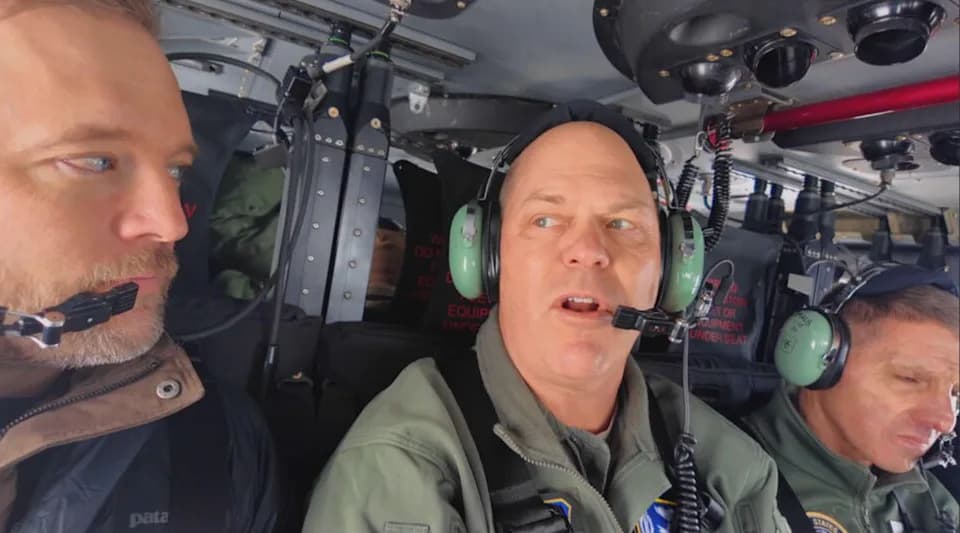
L-R: Ian Lee aboard a Grey Wolf helicopter with Air Force Global Strike Command General S.L. Davis and Admiral Rich Correll, Commander of U.S. Strategic Command. / Credit: CBS News
Cheyenne, Wyoming — From the air over the high plains aboard the Air Force’s new Grey Wolf helicopter, senior leaders from U.S. Strategic Command and Air Force Global Strike Command escorted reporters to a once‑forbidden site: a Minuteman III intercontinental ballistic missile (ICBM) silo.
Hundreds of Minuteman III silos dot the landscape from Colorado toward the Canadian border. According to General S. L. Davis of Air Force Global Strike Command, about 400 ICBMs are typically kept ready on-alert at any given moment.
On the Ground at F. E. Warren
Admiral Rich Correll, commander of U.S. Strategic Command, and General Davis are leading the effort to replace the decades-old Minuteman III with the new Sentinel system. They visited F. E. Warren Air Force Base in Cheyenne to inspect construction and preparations for the transition.
The tour landed at Echo 10, the first silo scheduled to be taken offline as the Air Force shifts to Sentinel. Though decommissioned, the silo remains tightly secured; an Air Force rapid‑response team trained to retake nuclear facilities was already on site.
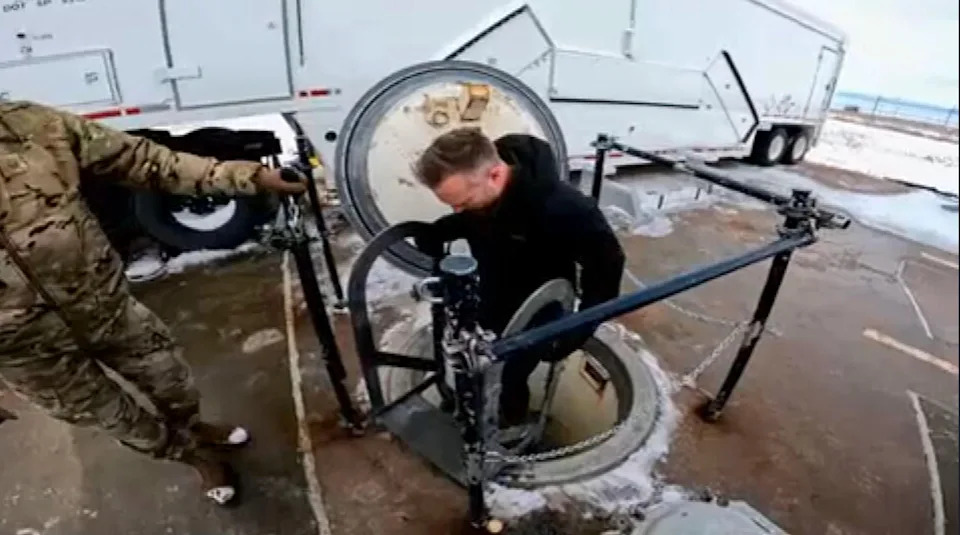
Ian Lee descends into a decommissioned Minuteman III nuclear missile silo. / Credit: CBS News
Colonel Terrance J. Holmes, commander of the 90th Missile Wing at F. E. Warren — the wing that oversees 150 Minuteman III ICBMs — emphasized the constant readiness of his personnel. "It is a heavy weight," he said of commanding so many nuclear weapons, "but our defenders, operators and support personnel stand ready every single day, 24/7."
Why Replace the Minuteman III?
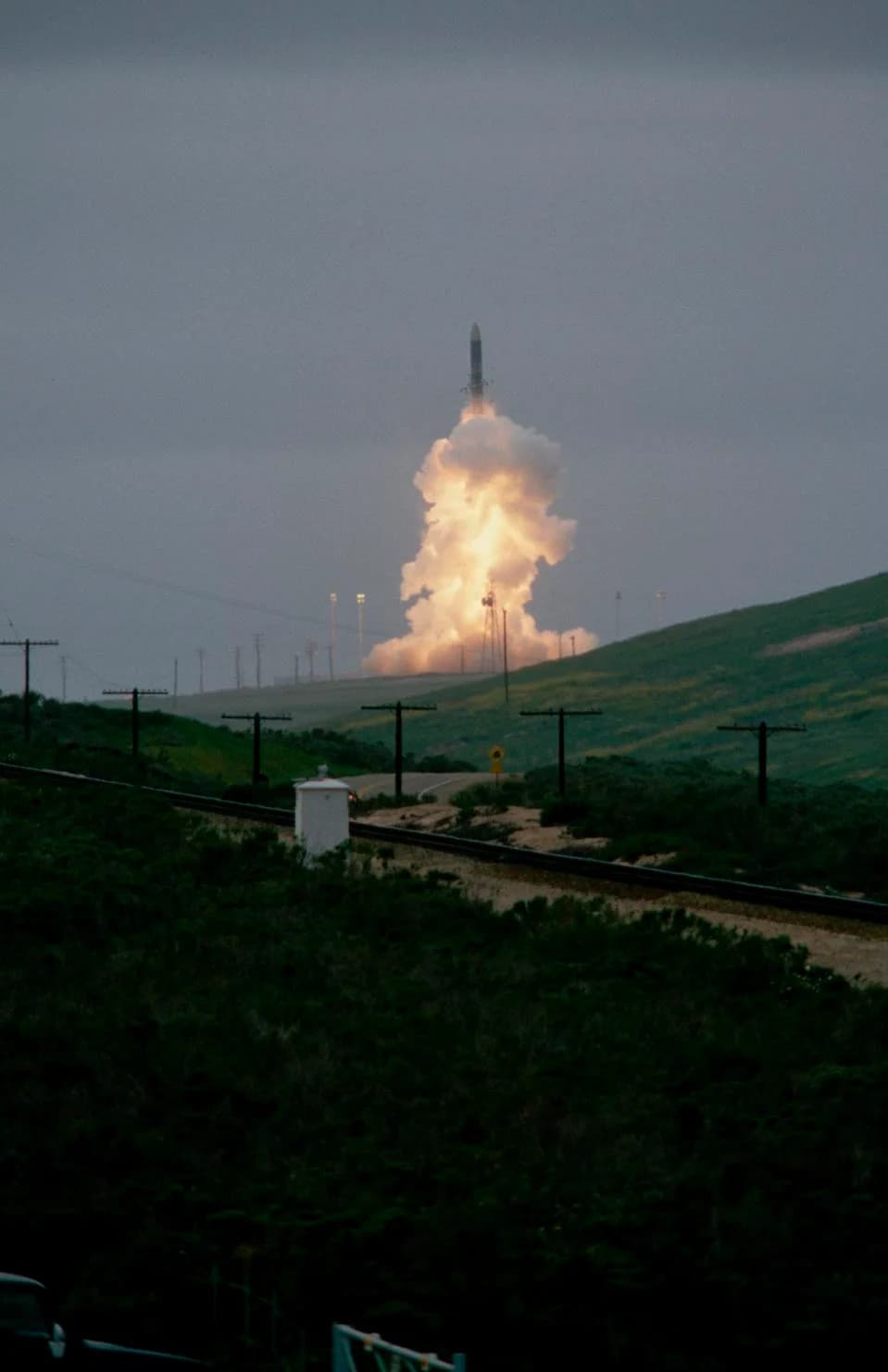
Inside the silo, the technology and infrastructure reflect the Minuteman III’s age. "The system was originally designed for a decade," Admiral Correll noted, adding that the force has operated the missile since 1961 and much of the supporting infrastructure predates many current officers.
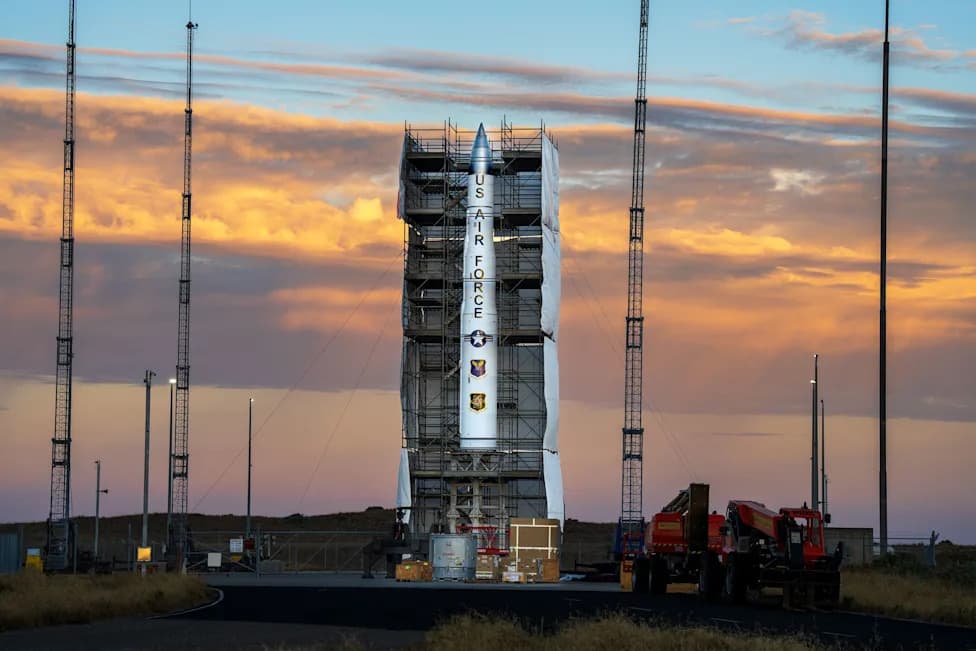
Sentinel is designed to be larger, faster and longer‑ranged, with greater payload capacity. Officials say it will also be safer, more secure and more reliable than the Minuteman III.
"Sentinel is bigger, it's faster. It's safer, it's more secure and it's more reliable," said General Davis.
Costs, Schedule and Facilities
The price tag is substantial. The Sentinel program is currently about 80% over its initial budget and is projected to cost roughly $141 billion. The Air Force plans to build more than 450 new launch silos and an additional 50–75 launch centers and support facilities nationwide to field the system.
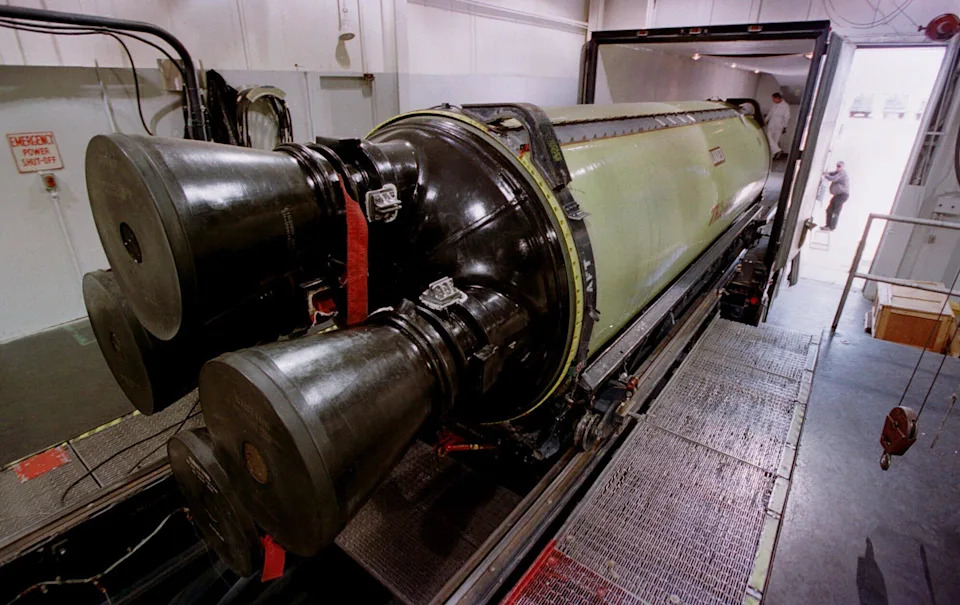
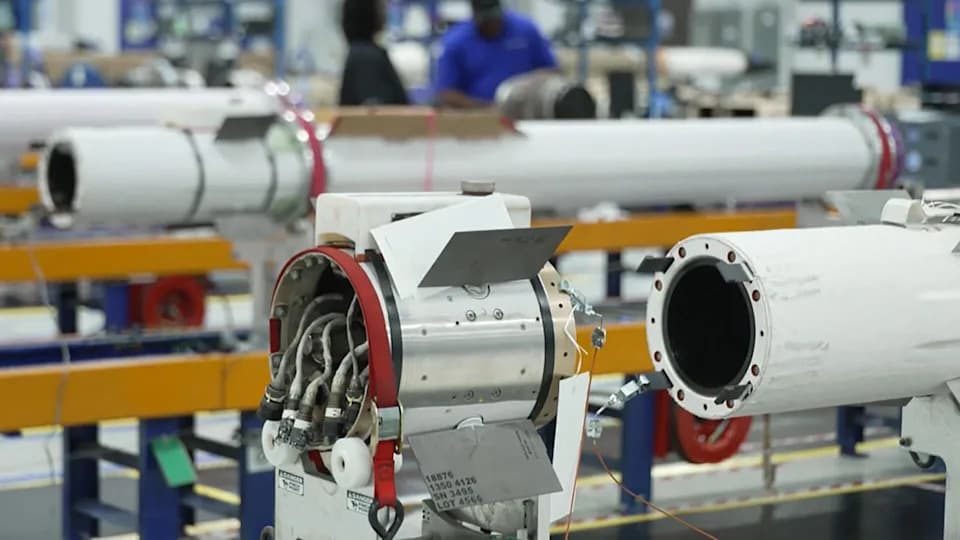
File photo: A Minuteman III missile engine. / Credit: AP Photo/Douglas C. Pizac
Officials argue that Sentinel will require less maintenance and lower operating costs over time than the aging Minuteman III fleet. New support assets, such as the Grey Wolf helicopter, are intended to improve security, reach and rapid response to any silo.
Deterrence And Global Context
Critics question large expenditures on systems never intended for active use. Admiral Correll rejects that framing: "We use it every single day. Deterrence is active," he said, explaining that the absence of adversary aggression is evidence the system is working.
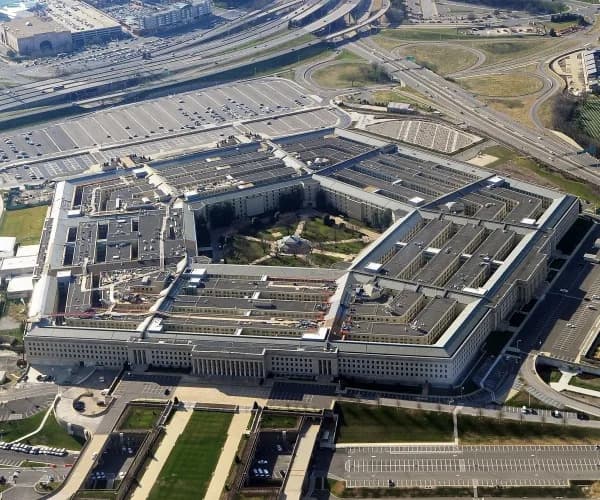
The U.S. modernization effort occurs as other countries — including China, Russia and North Korea — upgrade their nuclear forces. The Pentagon is also renewing other elements of the nuclear triad, replacing the B‑2 bomber with the B‑21 and Ohio‑class ballistic‑missile submarines with the Columbia class.
"Our nation's nuclear deterrent is safe, secure, reliable and credible," Admiral Correll said, arguing the modernization will strengthen national security.
What comes next: As Minuteman IIIs are retired, the Air Force will continue day‑to‑day deterrence operations while bringing Sentinel online, balancing construction, logistics and security as the program moves forward.
Help us improve.