Democrats in Iowa are expanding their ground game — aiming for 60 field organizers by June, roughly 7,000 volunteers and multiple new field offices — to compete in several open statewide races. The party is running a populist economic message focused on farmers, affordability and healthcare access while targeting three Republican-held U.S. House seats and a competitive Senate primary on June 2. Republicans caution that voter history and ideological differences make a rapid flip unlikely, but Democrats are betting that person-to-person outreach can narrow longstanding gaps.
Democrats Push to Reclaim Iowa as J.D. Vance Tours to Rally Republicans
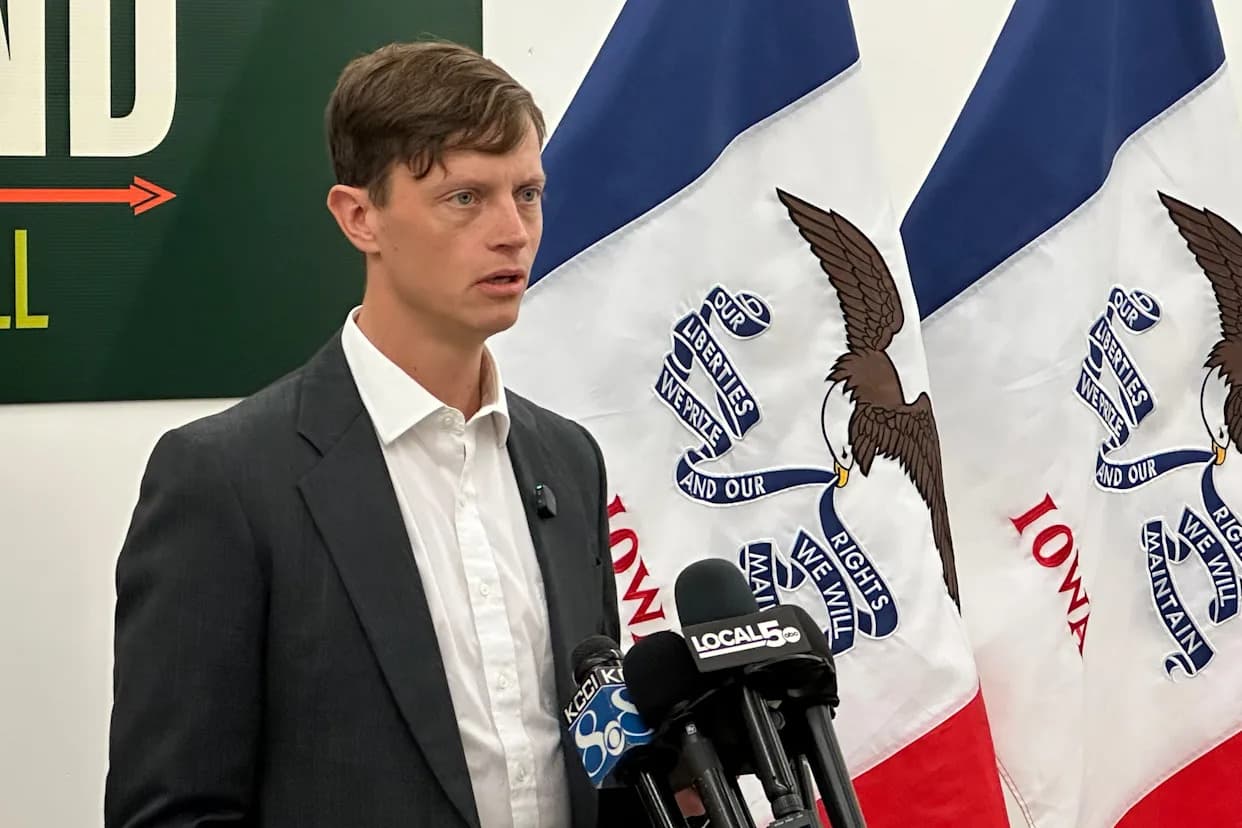
Iowa state auditor Rob Sand, who is running for Iowa governor, talks to reporters in Des Moines, Iowa, April 2, 2026. (AP Photo/Hannah Fingerhut)(ASSOCIATED PRESS)
Iowa Democrats say they see a real opportunity to make the state competitive again after years of Republican dominance, and they are ramping up ground operations to try to do it.
Organizing On the Ground
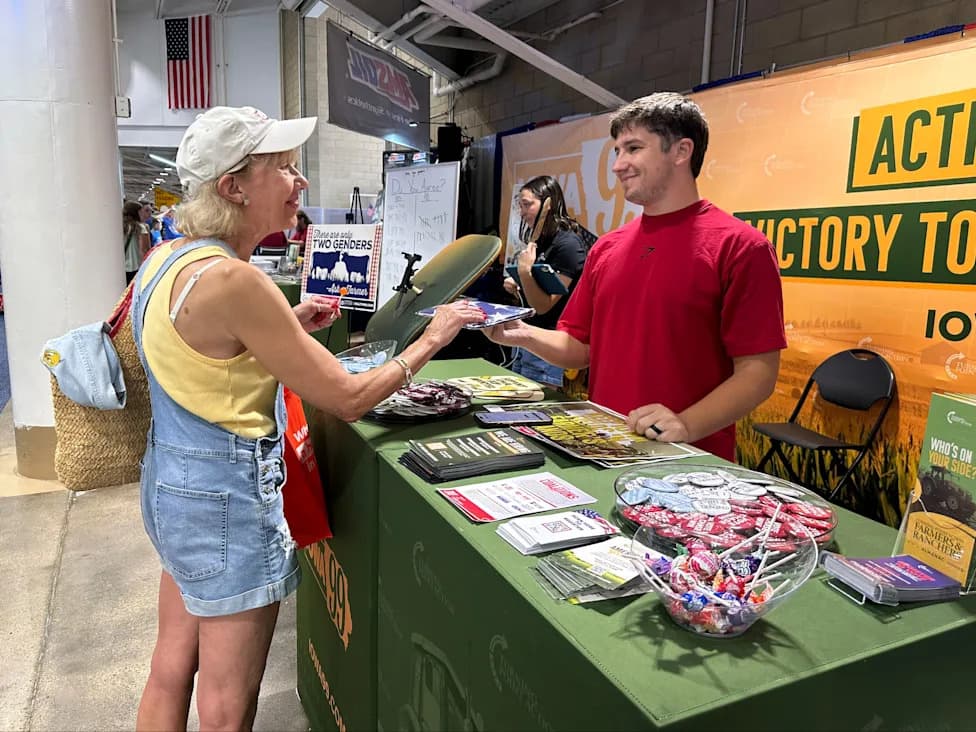
The state party plans to have 60 field organizers in place by June — nearly double the number active during the midterms eight years ago — and will staff a coordinated campaign with roughly two dozen additional operatives to support candidates for governor, U.S. House and U.S. Senate. Democrats report about 7,000 volunteer sign-ups in the past year and have leased eight field offices with plans to open at least seven more, focusing on blue-collar and eastern Iowa communities that once backed Barack Obama.
Competitive Races and Candidates
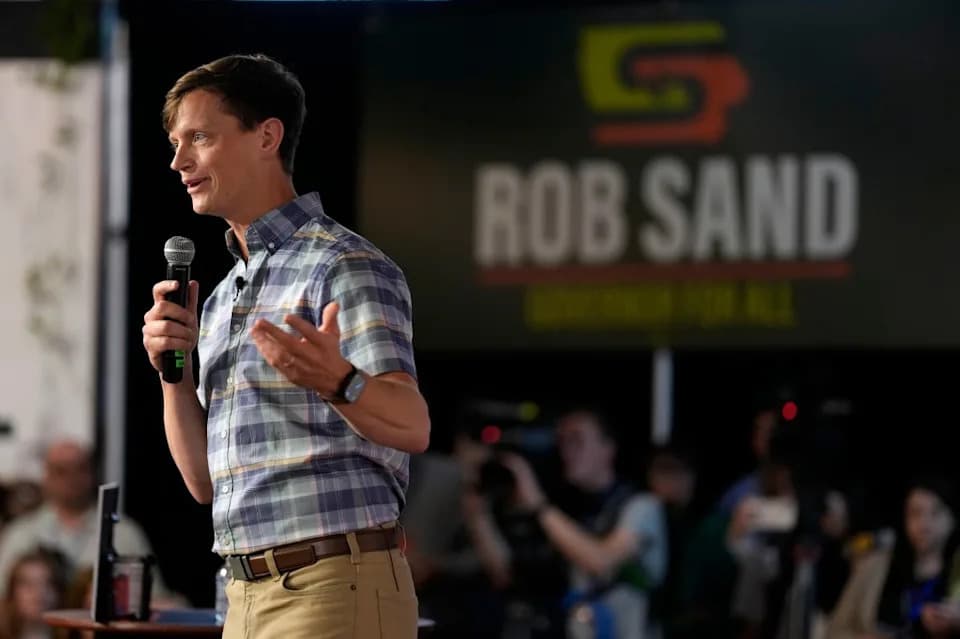
This cycle features an unusually large number of open and competitive statewide contests: incumbent Gov. Kim Reynolds and Sen. Joni Ernst have both opted not to run for reelection, creating opportunities at the top of the ticket. Leading the Democratic ticket for governor is state auditor Rob Sand, who finished last year with about $13 million in his campaign account and often emphasizes his rural roots, Christian faith and an appeal beyond partisan labels.
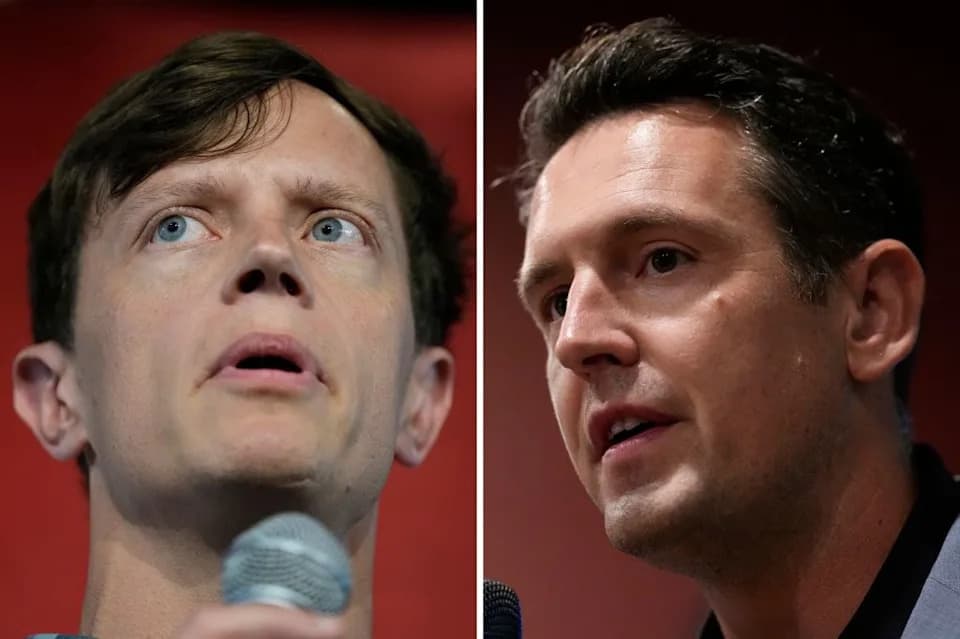
On the Senate side, state lawmakers Josh Turek and Zach Wahls are competing in the Democratic primary on June 2. The party is also targeting three of the four Republican-held U.S. House seats.
Economic Message and Voter Outreach
Democrats are emphasizing a populist economic message aimed at rural and working-class voters: farmers squeezed by tariffs and higher fertilizer and diesel costs, workers affected by factory and meat-processor closures, and rural residents facing longer trips to obtain medical care as clinics close. Candidates have been willing to criticize their own party and national leaders to underscore a focus on affordability and economic fairness.
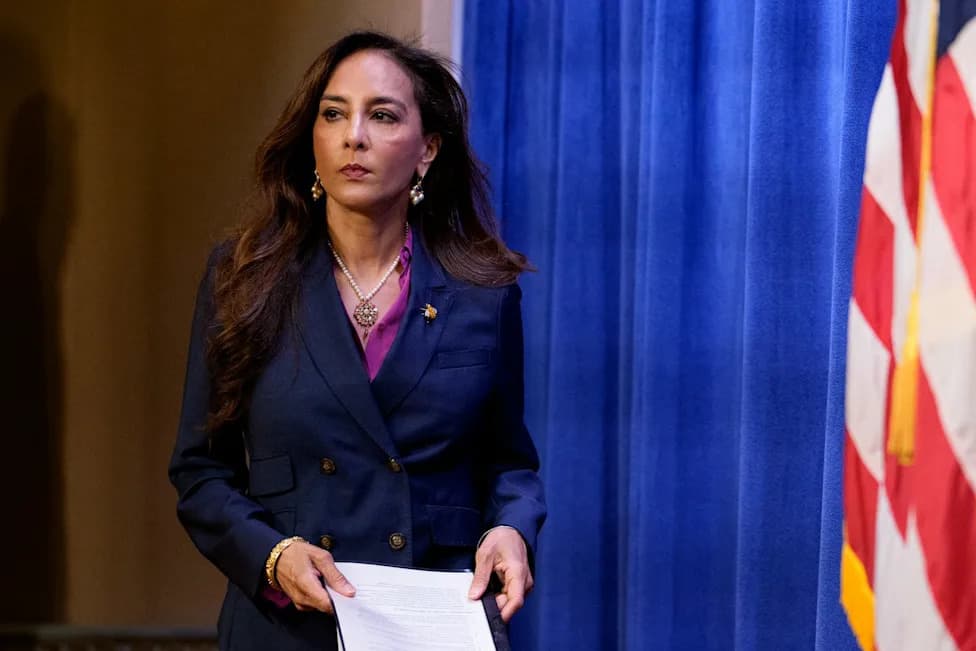
"Iowa is still, in my view, a purple state," state party chair Rita Hart said, adding that the party simply needs to give voters a chance to show it. "We’re investing so much in these organizers and in our county parties and supporting and training our volunteers."
Republican Response
Republicans counter that Democratic positions remain out of step with many Iowans and warn that shifting rhetoric alone cannot erase past voting patterns. Republican Party of Iowa chair Jeff Kaufmann said voters are unlikely to grant an immediate political "born-again" reprieve and noted structural GOP advantages: nearly a decade of control in state government, all six members of the federal delegation, and a roughly 200,000 registered-voter gap favoring Republicans statewide.
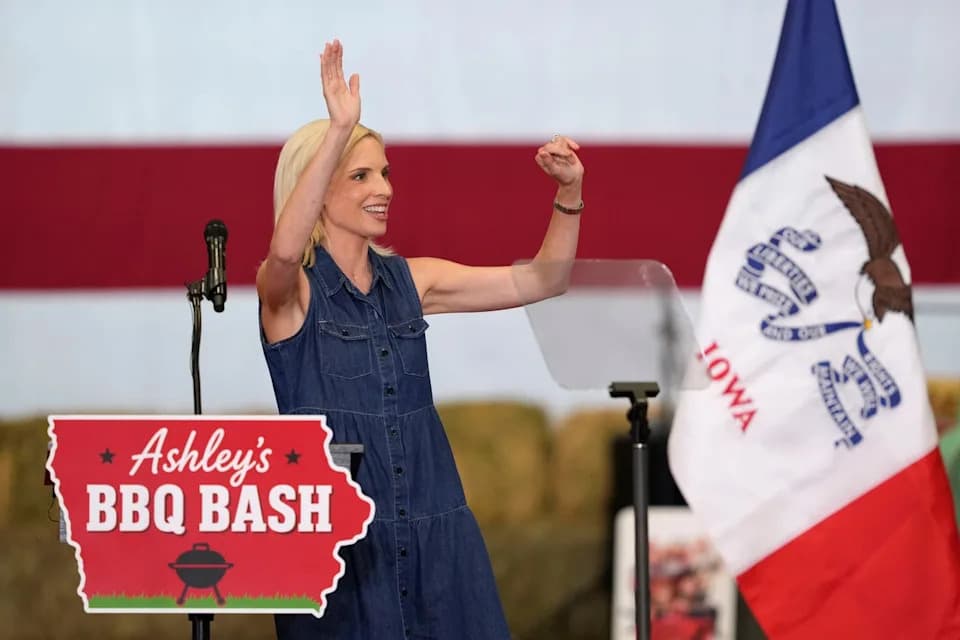
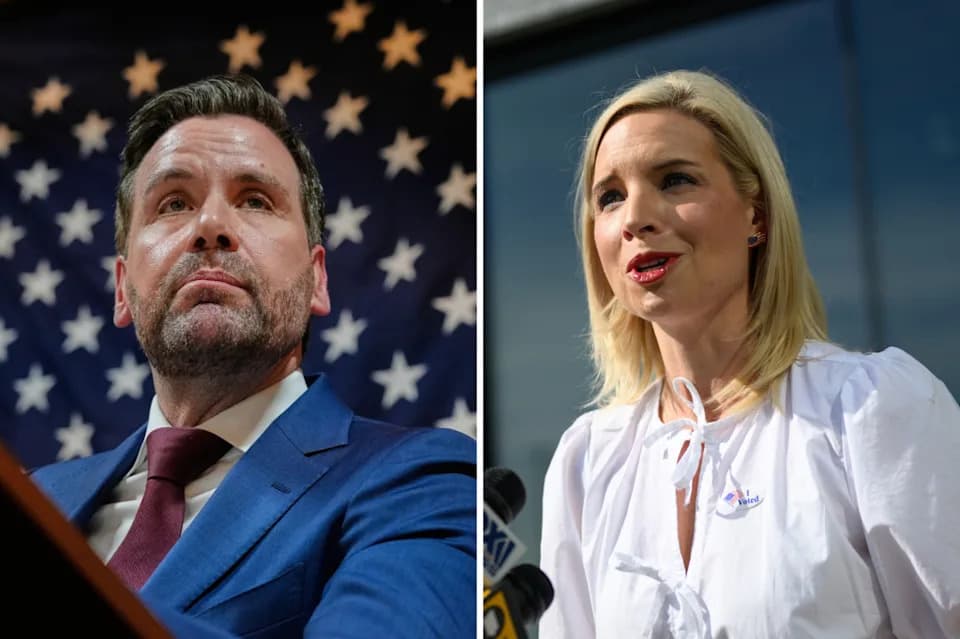
Republican surrogates are touring the state as well — including a visit from Sen. J.D. Vance to support Rep. Zach Nunn — signaling GOP efforts to shore up vulnerable seats.
Outlook
Democrats hope a heavier investment in field organizing, face-to-face conversations and targeted messaging will help them regain lost ground. Party leaders say they plan to spend at levels usually seen in presidential years and are pivoting from digital-first outreach back to in-person voter contact.
"Since the pandemic, we’ve really struggled with getting back to the basics with person-to-person communication," Hart said. "We’ve got to get back to that."
With multiple open statewide contests, a competitive Senate primary and several vulnerable House seats, both parties view the cycle as pivotal for shaping Iowa's political landscape.
Help us improve.