The grassroots movement built around Bernie Sanders is already testing contenders for 2028, with Rep. Alexandria Ocasio-Cortez and Rep. Ro Khanna emerging as the most prominent names. Our Revolution says its roughly 8 million members are keeping an open mind, while Sanders’ endorsement would remain highly influential. Key differentiators will include small-dollar fundraising, foreign-policy experience and the ability to unite the left around a clear economic and anti-corruption message.
Who Will Inherit Bernie Sanders’ Lane in 2028? AOC, Ro Khanna and the Battle for the Progressive Vote
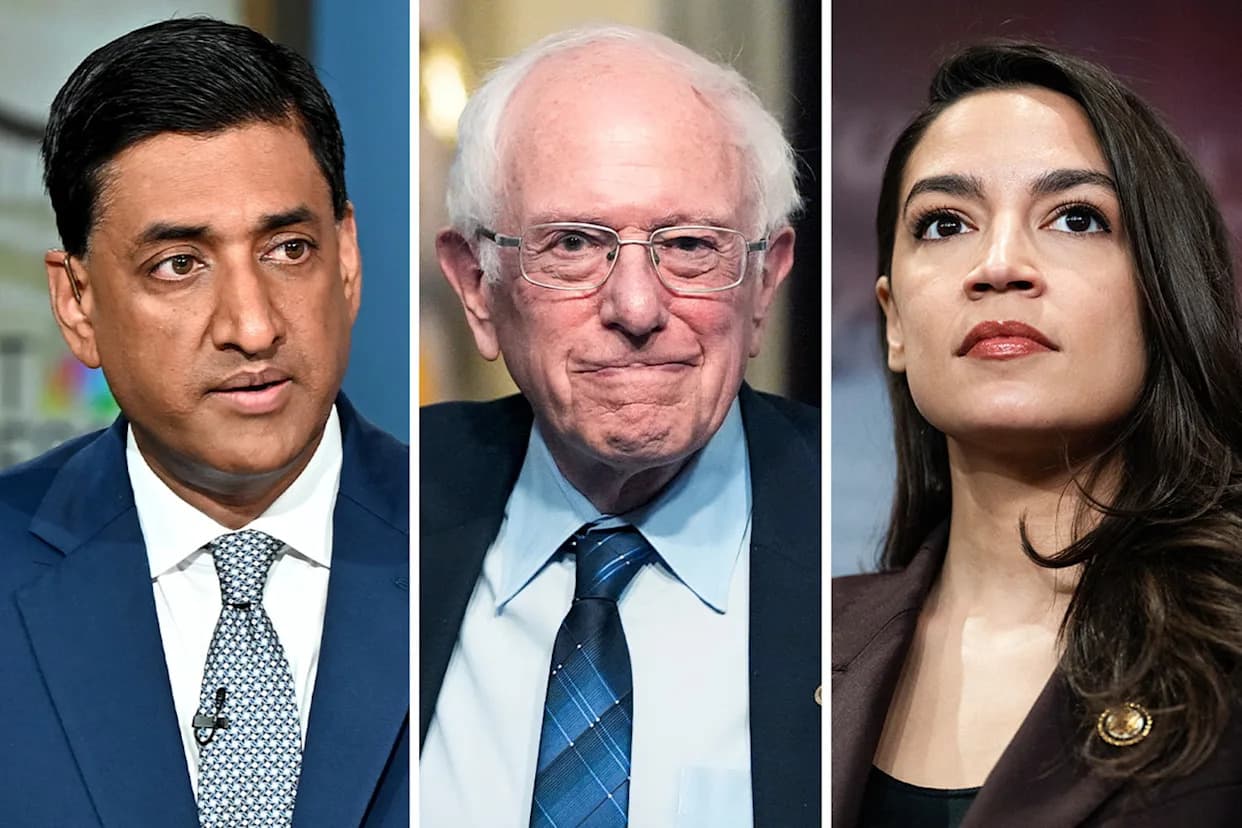
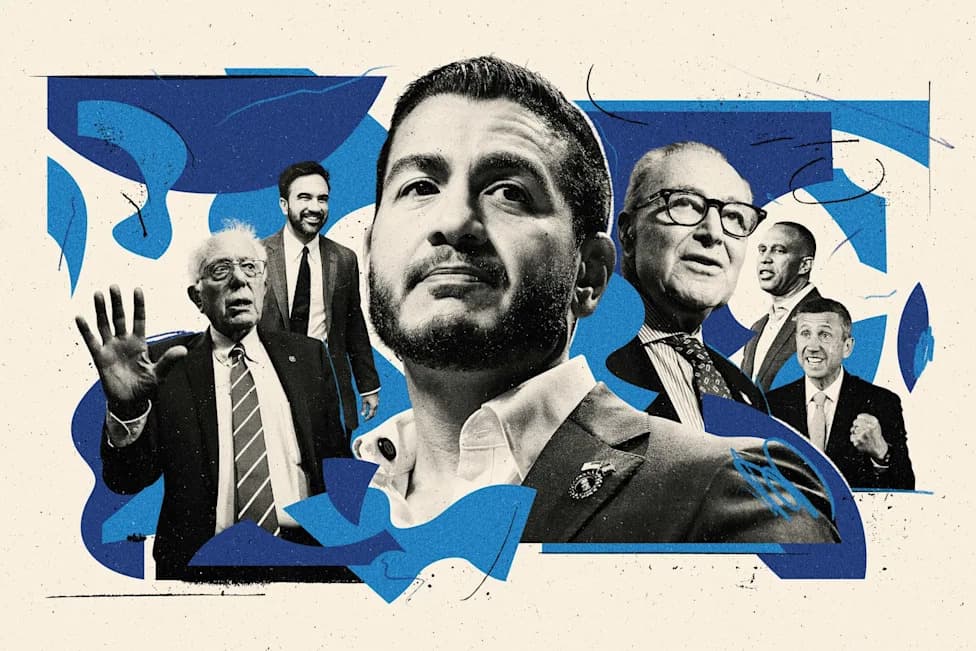
Rep. Ro Khanna, D-Calif.; Sen. Bernie Sanders, I-Vt.; Rep. Alexandria Ocasio-Cortez, D-N.Y. (NBC; AP; Getty Images file)(NBC; AP; Getty Images file)
The grassroots movement that rallied behind Bernie Sanders in two presidential cycles faces a pivotal question ahead of 2028: who will become its next leader? Behind the scenes, operatives, activists and progressive organizations are already jockeying for the voters, volunteers and organizing infrastructure that powered Sanders’ insurgent bids.
Contenders and Early Dynamics
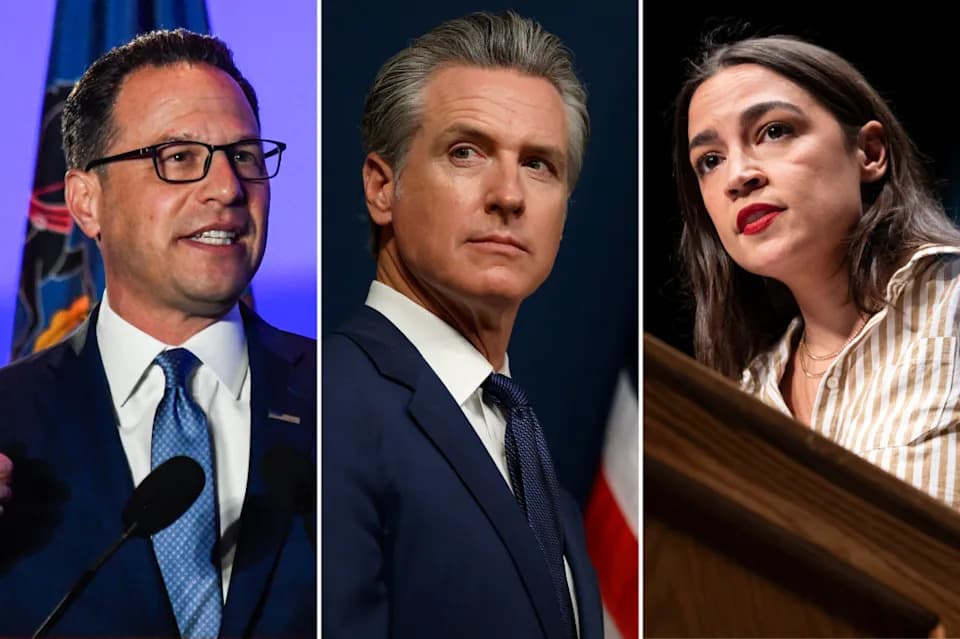
Interviews with more than a dozen liberal groups, progressive activists, operatives and elected officials show no settled heir. Rep. Alexandria Ocasio-Cortez and Rep. Ro Khanna are the names most frequently mentioned, but several other figures — including Gov. J.B. Pritzker and Sens. Chris Murphy, Chris Van Hollen and Jon Ossoff — have emerged as possible contenders or coalition-builders.
Alexandria Ocasio-Cortez
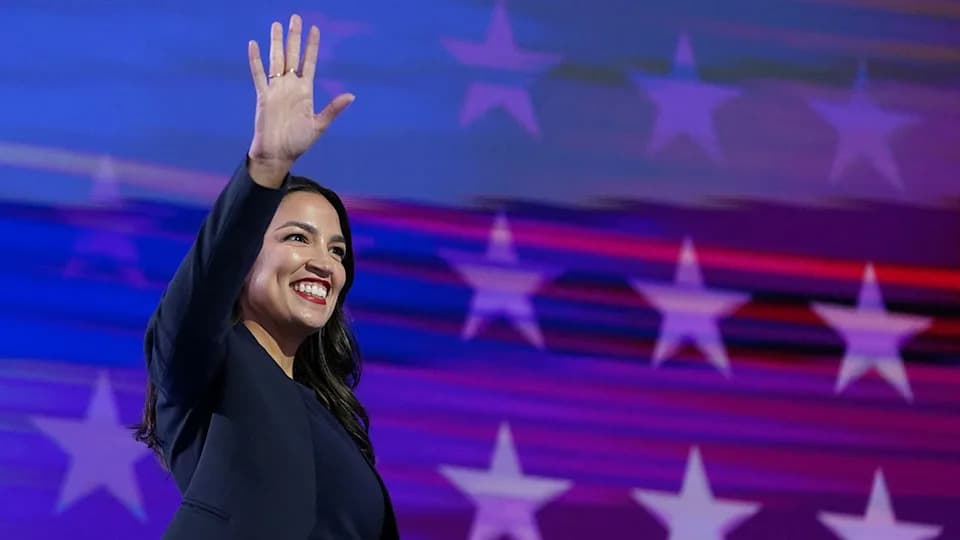
Ocasio-Cortez remains a singular political force on the left: high name recognition, massive small-dollar fundraising strength and the ability to draw energized crowds. Many progressives say that if she runs, she would immediately dominate early attention and help shape the policy agenda. She has not ruled out a presidential bid and is reportedly weighing whether to run for Senate or pursue a national campaign.
Ro Khanna
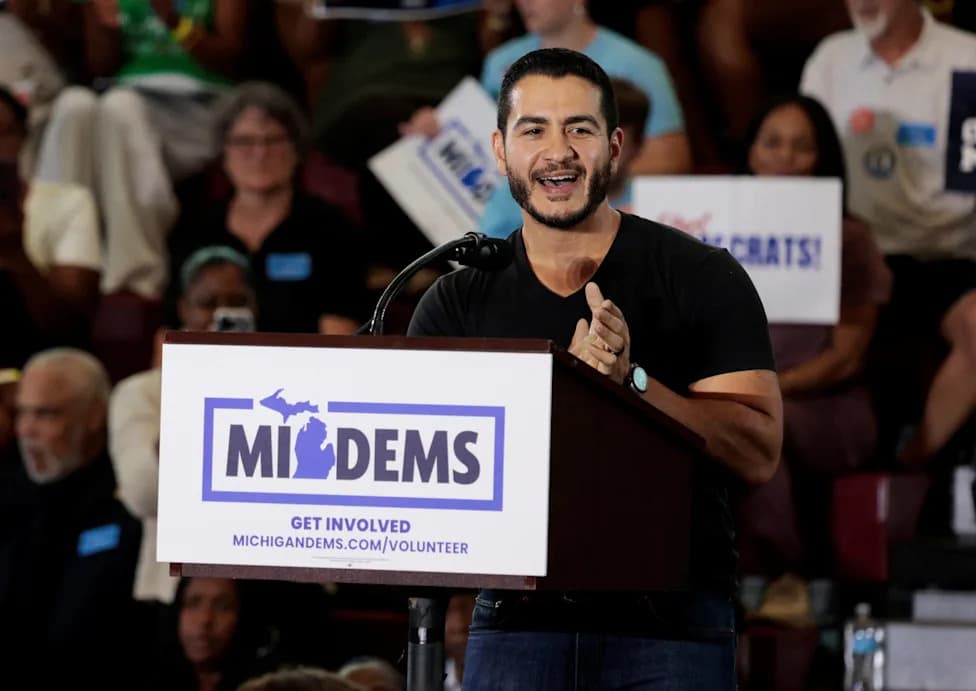
Khanna is often described as the most Sanders-aligned House member after Ocasio-Cortez. He has cultivated foreign-policy credentials as the ranking member on the House Select Committee on Strategic Competition and as a senior member of the House Armed Services Committee. Khanna has also recruited senior Sanders-era advisers and creative teams, signaling an effort to build a parallel progressive infrastructure.
Other Possibilities
Progressives flagged a wider field: Gov. J.B. Pritzker (whose wealth and record divide opinion), Sens. Chris Murphy and Chris Van Hollen, Jon Ossoff, and rising figures such as Maine Senate hopeful Graham Platner — any of whom could pull parts of Sanders’ coalition or shift the lane leftward.
Organizational Stakes
Our Revolution, the Sanders-founded group with roughly 8 million members, says it is keeping an "open mind" about potential 2028 contenders. At the same time, several former Sanders operatives have joined Ocasio-Cortez’s operation, while others are advising Khanna — a split that highlights both consolidation and competition for Sanders-era infrastructure.
Sanders’ Role
Bernie Sanders himself remains highly popular, and multiple sources say his endorsement would be a major factor in a progressive primary. But most expect Sanders to stay on the sidelines initially if both Ocasio-Cortez and Khanna run, watching how the race develops before committing.
Policy and Electability Tests
Observers say candidates will be judged on several factors: the ability to raise small-dollar donations, foreign-policy credibility, the capacity to unite disparate left-wing factions, and a convincing economic message focused on corporate power, corruption and tax fairness. Our Revolution’s internal polling shows a shift in priorities — "Medicare for All" has ceded top rank to concerns about corruption and corporate control.
Some progressive groups, including the Democratic Socialists of America (which has grown substantially this decade), remain deliberative about endorsements and emphasize commitments on labor organizing, antiwar stances and strong protections for immigrant rights.
What Comes Next
The progressive lane for 2028 is likely to be contested and fluid. If Ocasio-Cortez runs, many expect her to start as the front-runner in that lane; if she does not, others such as Khanna could make a strong claim. Either way, the field’s ability to unify around a compelling narrative and to translate grassroots energy into broad electoral support will determine whether the hard left coalesces or fragments as the Democratic primary approaches.
This article was originally published on NBCNews.com.
Help us improve.