Project Freedom is President Trump’s plan to escort vessels stranded in the Strait of Hormuz to safety, described as a humanitarian response requested by affected nations. CENTCOM says the deployment could involve destroyers, 100+ aircraft, unmanned systems and about 15,000 service members, but experts warn of major risks including sea mines, limited mine‑clearing capacity and Iranian fast-attack craft. The IMO estimates up to 20,000 seafarers are stranded on roughly 2,000 ships; diplomacy and insurer confidence will be critical to any safe reopening of the strait.
Project Freedom: Can US Forces Safely Guide Stranded Ships Out of the Strait of Hormuz?
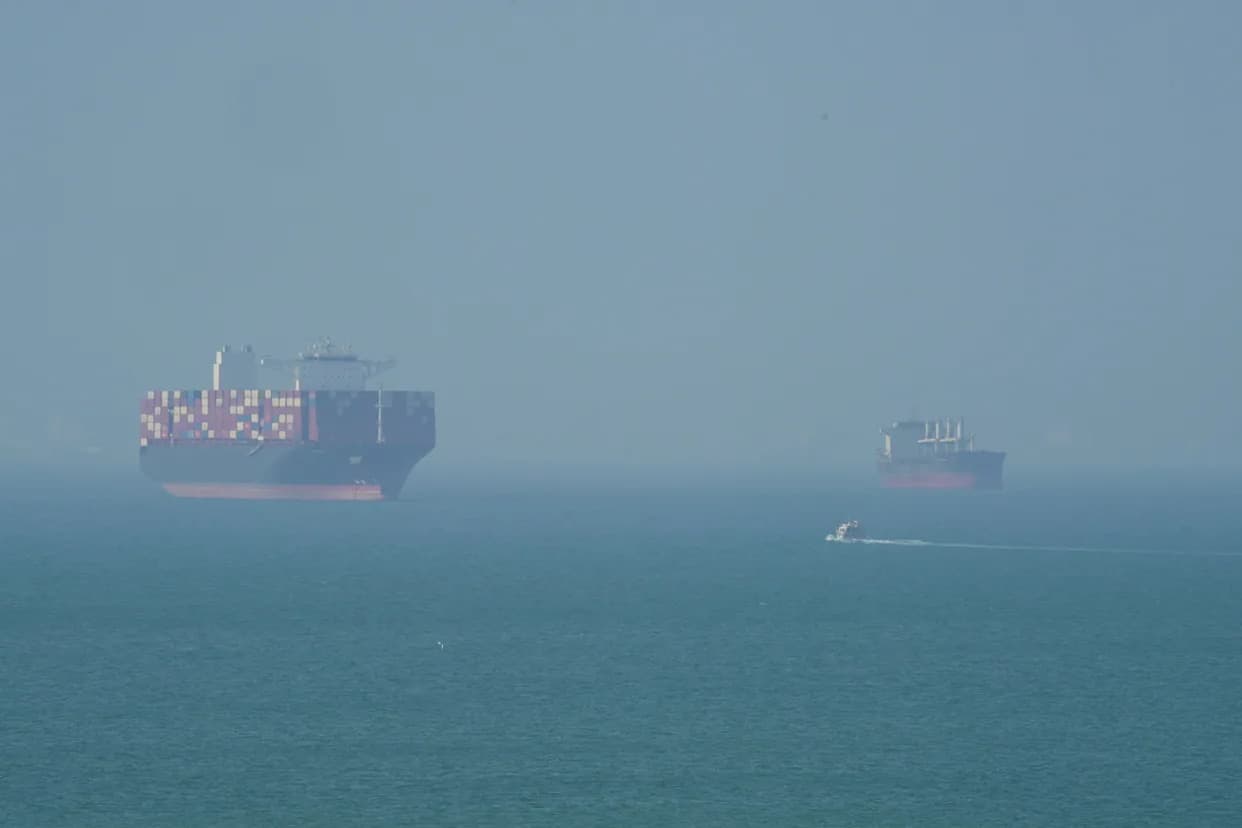
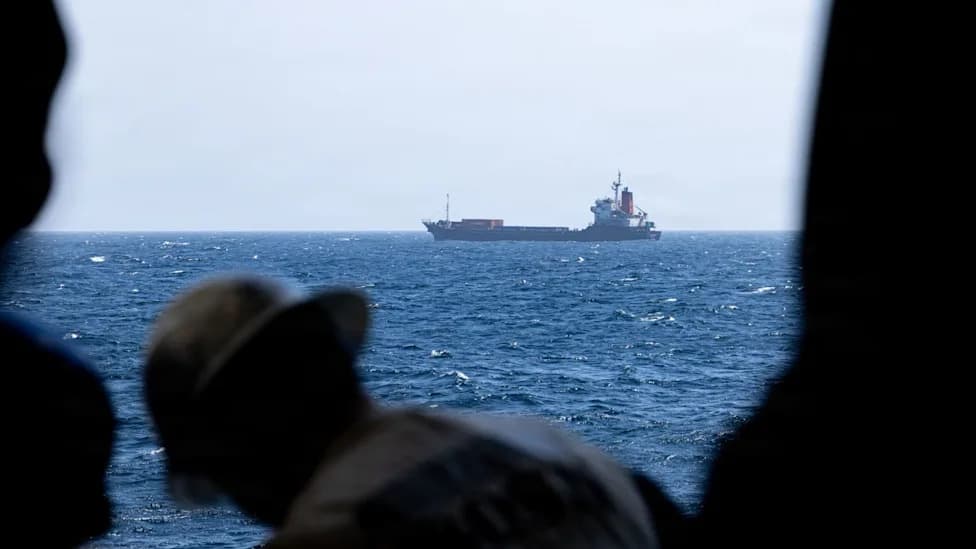
A cargo boat navigates the sea on April 28, 2026, near Qeshm Island, Iran, in the Strait of Hormuz [Asghar Besharati/Getty Images]
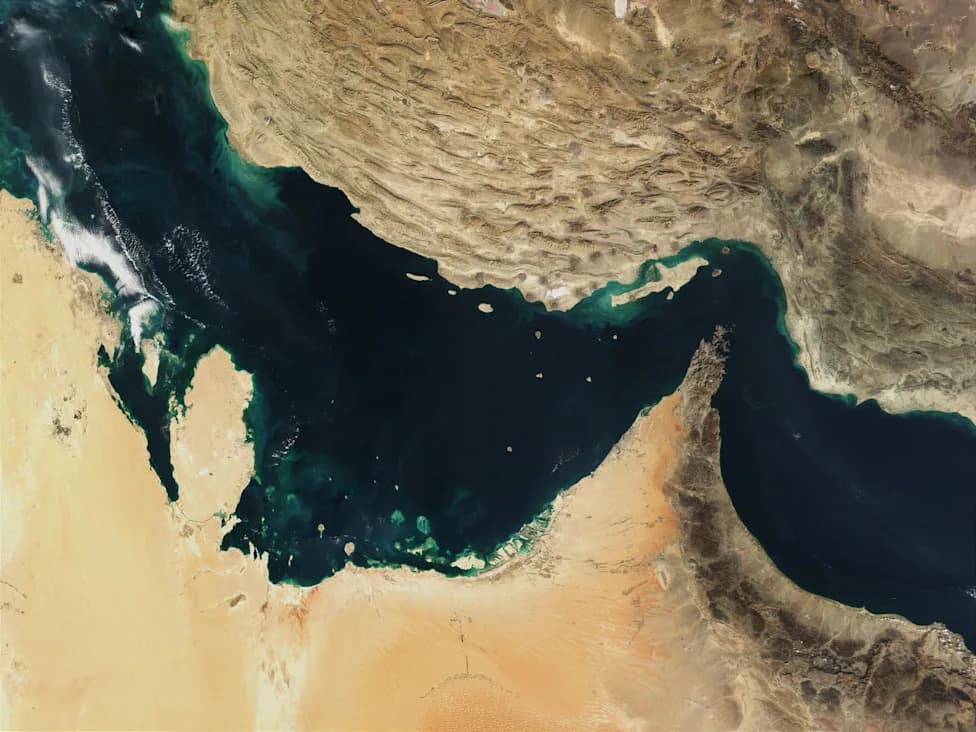
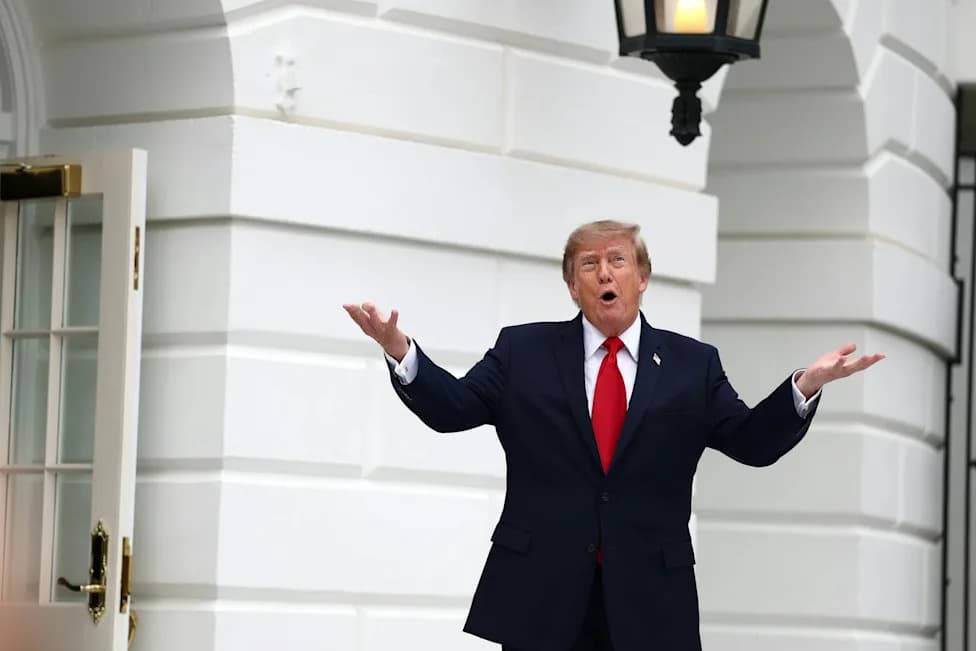
United States President Donald Trump has announced "Project Freedom," an initiative he says will guide vessels stranded in the Strait of Hormuz to safety. Framed as a humanitarian response to requests from affected countries, the operation is being presented as a challenge to what Trump has called Iran’s effective blockade of the strategic waterway.
On his Truth Social account, Trump described the effort as intended to "free up people, companies, and Countries that have done absolutely nothing wrong — They are victims of circumstance." He said US envoys were engaged in "positive" talks with Iran but warned that any interference with the operation "would have to be dealt with forcefully." Operational details remain limited and Iran has repeatedly warned ships not to enter the strait.
On the first day of the campaign, Iranian authorities reported that a US warship was struck by missiles near Jask, in the strait between Iran and Oman. Washington denied the Iranian account, but the incident heightened fears of wider escalation.
Why the Strait Matters
The Strait of Hormuz is a critical chokepoint: roughly one-fifth of the world’s traded oil and gas passes through it. Disruption to transit has already driven up oil prices and strained global supply chains. Tehran asserted control of the waterway days after coordinated attacks by the US and Israel on February 28, and the continuing confrontation has worsened economic pressures worldwide.
US Plans and Capabilities
US Central Command (CENTCOM) said it will support Project Freedom alongside the State Department’s Maritime Freedom Construct, a multilateral initiative to improve coordination and information-sharing. CENTCOM described a potential deployment that could include destroyers, more than 100 aircraft, unmanned systems and roughly 15,000 service members.
Experts caution that the effort faces immediate and complex risks. Jonathan Hackett, a retired US Marine special-operations specialist, said the US objectives appear narrowed to restoring economic flow through the strait rather than pursuing broader strategic aims such as regime change. He warned that escorting ships could quickly become defensive combat if encounters occur, raising insurance and liability questions for commercial operators.
Main Risks
Analysts point to two primary hazards: sea mines and Iran’s naval capabilities. Anti-mine operations have begun, but clearing mines could take weeks or months. Hackett noted the US currently lacks a large number of dedicated mine-countermeasure vessels and warned Iran still fields fast-attack boats, drones and other asymmetric tools that could harass or block shipping.
Insurer confidence is another major unknown. Even if the US declares passages safe, private shipping companies may decline transit without guarantees on crew safety and loss coverage.
Humanitarian Impact
The International Maritime Organization (IMO) estimates up to 20,000 seafarers are stranded aboard roughly 2,000 vessels in the Gulf near the Strait of Hormuz, from oil tankers and bulk carriers to cruise ships. The IMO has recorded at least 19 attacks on vessels since the conflict began, with 10 seafarers killed and eight injured. The agency has warned many ships are running critically low on food, fuel and fresh water and has called on all parties to de-escalate so crews can be evacuated safely.
Diplomacy and the Road Ahead
Diplomatic efforts continue but remain stalled. Iran submitted a 14-point plan to end the war; Trump called it "unacceptable." Mediated talks through Pakistan have taken place since a ceasefire went into effect on April 8, but a comprehensive settlement has not been reached. Tehran demands a permanent end to hostilities; Washington has insisted Iran must lift the blockade of the strait and has reiterated that Iran’s nuclear programme remains a "red line."
Former naval officer Harlan Ullman said Project Freedom could reduce tensions if Iran permits transit and if the operation is integrated into a broader diplomatic process. But he cautioned that resistance, mining or attacks on US warships could quickly provoke retaliation and a rapid escalation of hostilities.
Historical Context
The standoff recalls the 1980s "Tanker War" during the Iran–Iraq conflict, when belligerents targeted oil shipments and the US launched protective convoys (Operation Earnest Will) and subsequently engaged in direct action after a US ship was badly damaged by a mine. That episode illustrates how quickly maritime security operations can expand into larger confrontations when strategic shipping lanes are threatened.
As Project Freedom unfolds, key factors to watch include the scale and timetable of mine-clearance operations, the degree of international participation, insurer responses, and whether diplomacy produces a durable agreement to reopen the strait without further military escalation.
Help us improve.