Summary: The Iran conflict and the partial closure of the Strait of Hormuz have raised fuel and fertilizer costs, but many Midwestern growers avoided immediate disruption because they pre-booked supplies. Surveys show roughly 67–80% of Midwest corn and soybean producers secured fertilizer for 2026, yet timing and regional differences leave some farmers exposed. Higher diesel and fertilizer prices could prompt acreage shifts from corn to soybeans, and experts urge expanded domestic fertilizer production to reduce future vulnerability.
Midwest Farms Under Pressure: How the Iran War Is Driving Up Fertilizer, Fuel and Crop-Choice Risks
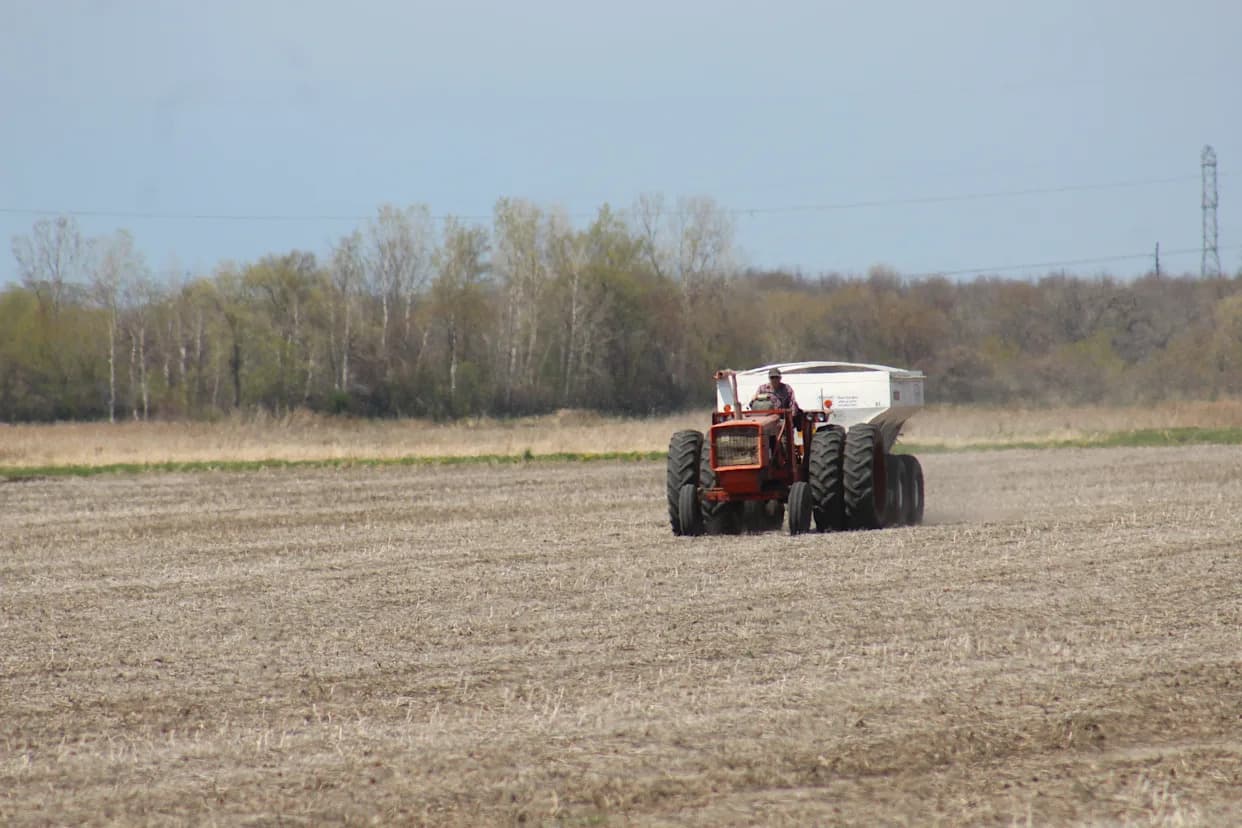
A farmer spreads dry fertilizer across a hayfield in the town of Byron, Wisconsin, during spring fieldwork.
The Iran conflict and the temporary closure of the Strait of Hormuz have rippled through global energy and fertilizer markets, creating fresh cost pressures for U.S. farmers. While many Midwestern growers pre-booked supplies and have so far avoided the worst impacts, timing, regional differences and rising diesel prices threaten input costs and could prompt shifts in acreage decisions this year.
How the Disruption Works
Hostilities around the Strait of Hormuz — a waterway that handles roughly one-fifth of the world’s oil and natural gas — have tightened energy supplies and driven up fuel prices. Higher fuel costs raise the expense of producing and shipping fertilizer, and exports of nitrogen-based fertilizers from the Persian Gulf have been constrained. Analysts warn these disruptions could persist for months and further push grocery and feed costs higher.
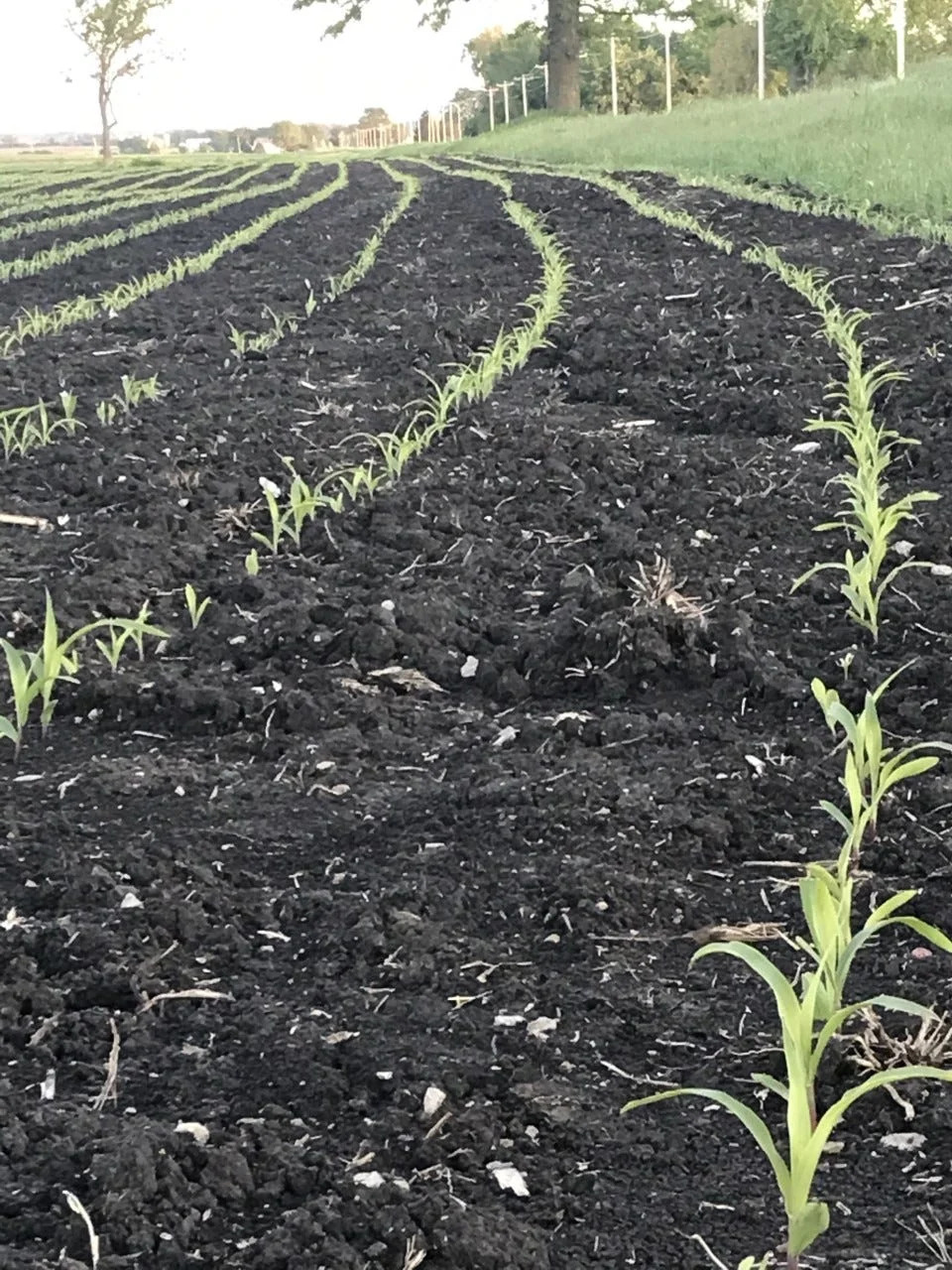
Young corn plants are spotted in a Wisconsin farm field. Spring planting decisions depend heavily on access to fertilizer and diesel fuel, both of which have been impacted by geopolitical risks that have disrupted global markets.
Why the Midwest Has Been Partly Shielded
Many Midwestern corn and soybean growers had already bought fertilizer for the 2026 season before prices spiked. A late-March National Corn Growers Association survey of nearly 1,000 corn growers found that about 80% said the Middle East conflict had not changed their 2026 corn acreage plans — largely because they had pre-booked fertilizer.
Purdue University researchers Joana Colussi and Michael Langemeier noted in a paper for Purdue’s Center for Commercial Agriculture that much of the fertilizer for the 2026 crop had been purchased or applied last fall, before the conflict began.
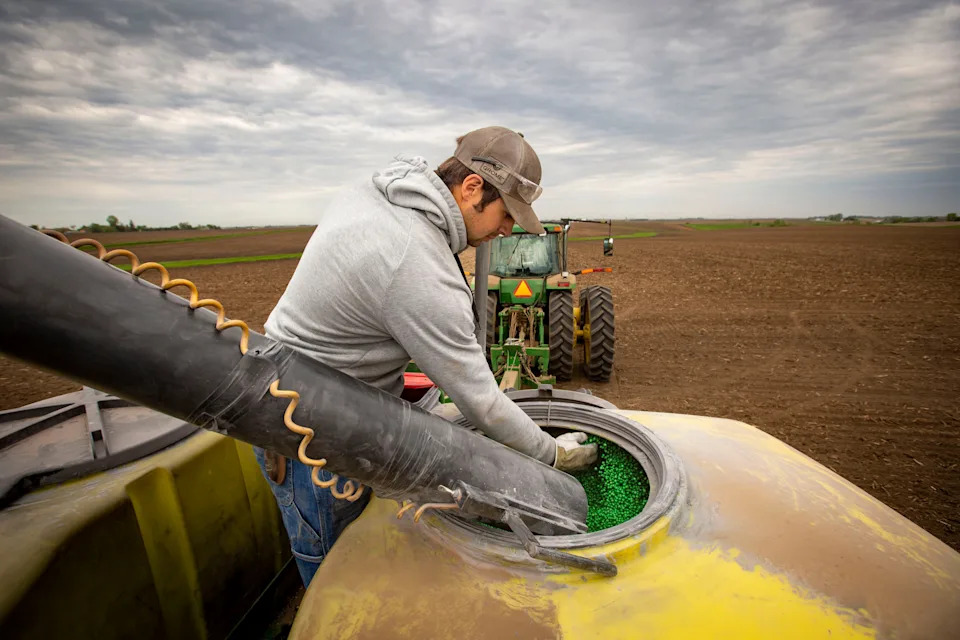
Iowa farmers are hitting the fields this spring, hoping trade talks with China will boost prices for soybeans.
Regional Variations And Remaining Exposure
Still, exposure varies by region and by farming practices. An American Farm Bureau Federation Fertilizer Availability Survey of more than 5,700 farmers and ranchers found that roughly 67% of Midwestern commodity farmers reported securing fertilizer ahead of planting — a rate more than twice that of other regions. That higher pre-booking rate reflects Midwest crop rotations and larger fertilizer needs for corn and soybeans.
“The Iran conflict began in late February. By then, roughly 80% of corn and soybean producers in the Midwest had already purchased fertilizers for the season.” — Dr. Joana Colussi, Purdue University
Timing Problems and Future Risks
Timing matters: fertilizers are applied at or just before planting, and the industry follows a months-long cycle of building product and then applying it. Veronica Nigh, senior economist at The Fertilizer Institute, noted the U.S. produces about 60% of its phosphate fertilizer needs but still relies on imports from the Middle East for a meaningful share. Because imports often arrive earlier in the year, much of this season’s phosphate may already have been delivered — but suppliers are now focused on building stocks for fall application.
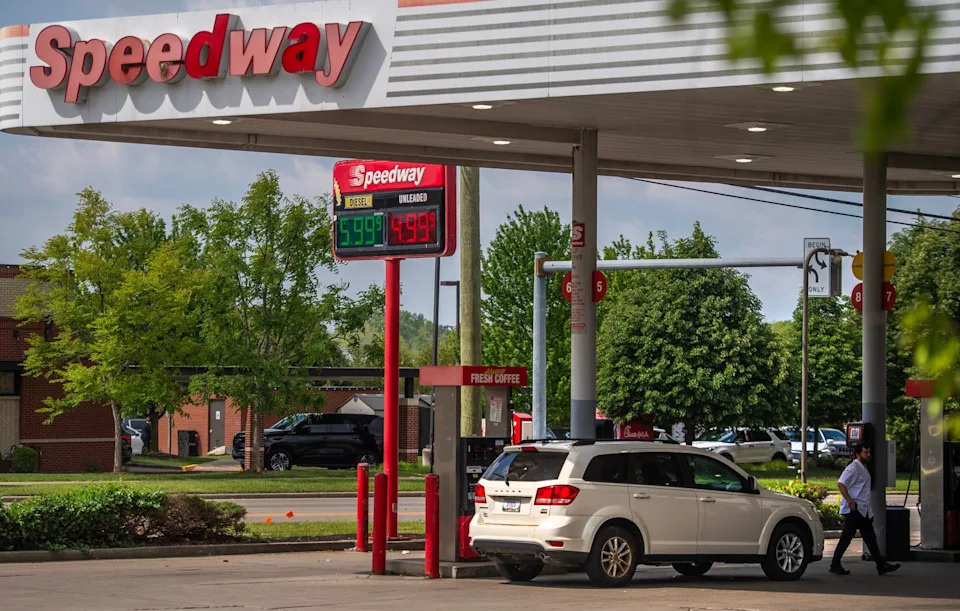
A man heads inside the Speedway on Third Street as a sign lists unleaded gas at $4.99 a gallon and diesel at $5.99 a gallon on Friday, May 1, 2026.
Diesel Prices and Operational Costs
Dairy and other livestock operations are feeling diesel price spikes acutely. Michigan State University farm manager Jim Good said nearly every operation on a dairy farm depends on diesel — tractors, trucks that deliver feed and haul milk — and higher diesel prices quickly drive up operating costs. As of May 1, average diesel prices in Michigan and Indiana exceeded $5.70 per gallon, according to AAA.
Potential Acreage Shifts
If fertilizer and fuel costs remain elevated through mid-summer or fall, some farmers say they may plant less corn and more soybeans, which typically require less nitrogen fertilizer and have lower production costs. Farmer’s Keeper’s survey of 4,000 farmers found that 21% planned to decrease corn acres since March 1; a Farm Futures Q1 survey reported 43% of farmers considering less corn. Those findings contrast with the USDA’s March Prospective Plantings report, which forecast only a 3.4% decline in corn acres.
“Around 20% of Midwest farmers who apply nitrogen during the spring planting window will be hit hard by higher prices because they’ll be buying now or in the next month or two.” — Brady Holst, Illinois Soybean Association
Policy Responses And Longer-Term Fixes
Proposals to ease fuel costs include congressional efforts to allow year-round, nationwide sales of E-15 (gasoline blended with 15% ethanol), which farmers say could reduce fuel expenses without major infrastructure changes. Longer-term recommendations from Purdue researchers and others call for expanding domestic fertilizer production in the U.S. and in major producers like Brazil to improve supply security and reduce vulnerability to geopolitical disruptions.
Outlook
In the near term, the Midwest’s high pre-booking rate has blunted immediate impacts for many growers. But continuing volatility in global energy markets, lingering supply-chain constraints and the seasonal rhythm of fertilizer production mean costs could remain elevated into the fall — with potential impacts on planting decisions, farm margins and food prices.
This article originally appeared in the Evansville Courier & Press.
Help us improve.