University of Bradford researchers used facial-recognition software on digital images of Hans Holbein's Tudor drawings and say the algorithm flagged a previously "unidentified" sketch as likely being Anne Boleyn. The team compared facial geometry across known relatives, including Elizabeth I, and reports higher clustering for likely kin. The Royal Collection Trust did not participate and does not endorse the findings, while several prominent art historians strongly dispute the methodology and interpretation. The claim is peer reviewed but remains contested.
Did Facial Recognition Reveal Anne Boleyn? Algorithm Flags a Hidden Holbein Sketch
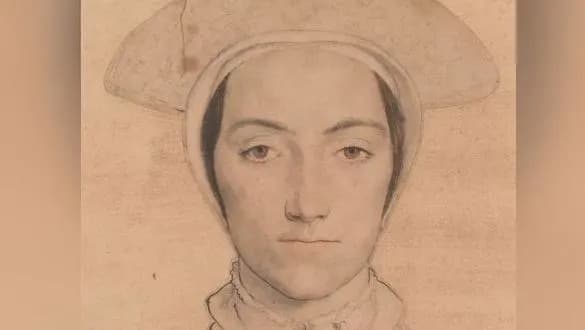
A computer science team believe this unidentified woman could in fact be Anne Boleyn [Royal Collection Enterprises Limited 2026 | Royal Collection Trust]
A University of Bradford team says facial-recognition software has identified a previously unrecognised sketch of Anne Boleyn within a celebrated group of Tudor drawings by Hans Holbein the Younger. The claim, based on digital comparisons of facial geometry across the Holbein collection, has reignited a long-standing debate about what the executed queen actually looked like.
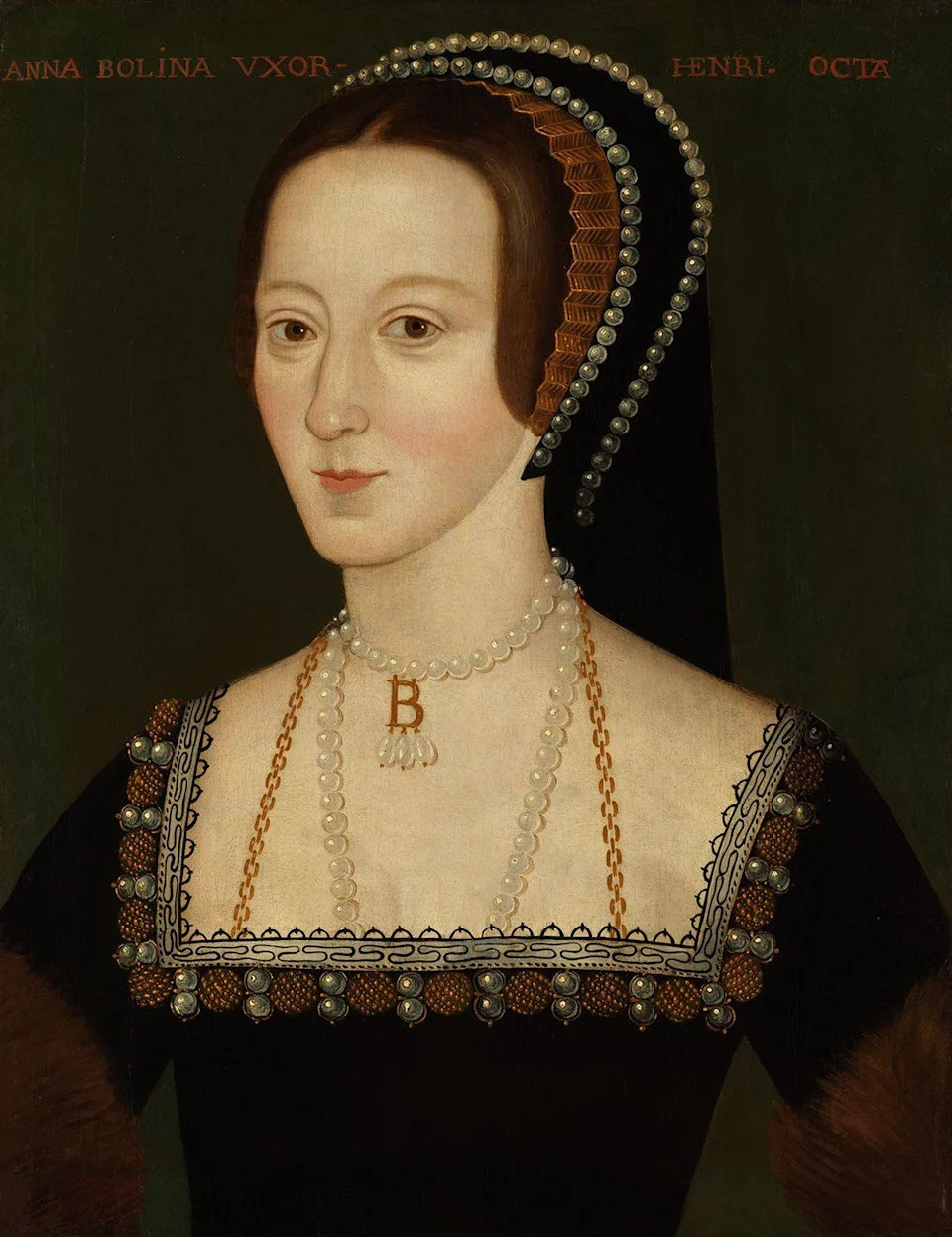
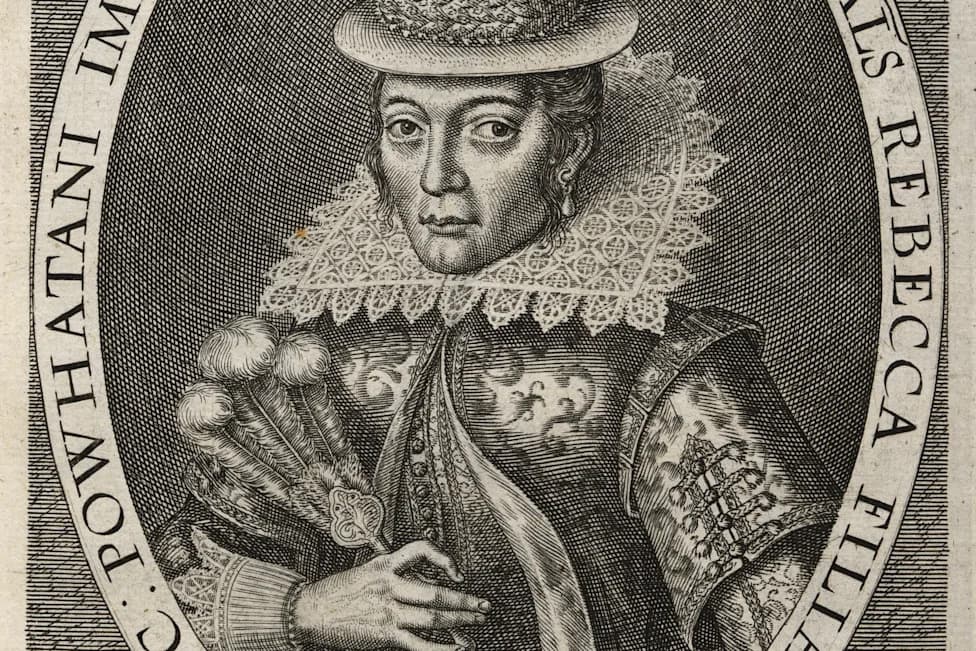
An Elizabethan portrait of Boleyn [National Portrait Gallery, London]
Background
Anne Boleyn became Henry VIII's second wife in 1533 and was executed in 1536 after accusations of adultery, incest and treason. No painted portrait of her produced in her lifetime is securely documented, and most images associated with her were painted after her death. That gap in contemporary likenesses has left historians and the public arguing for centuries over her true appearance.
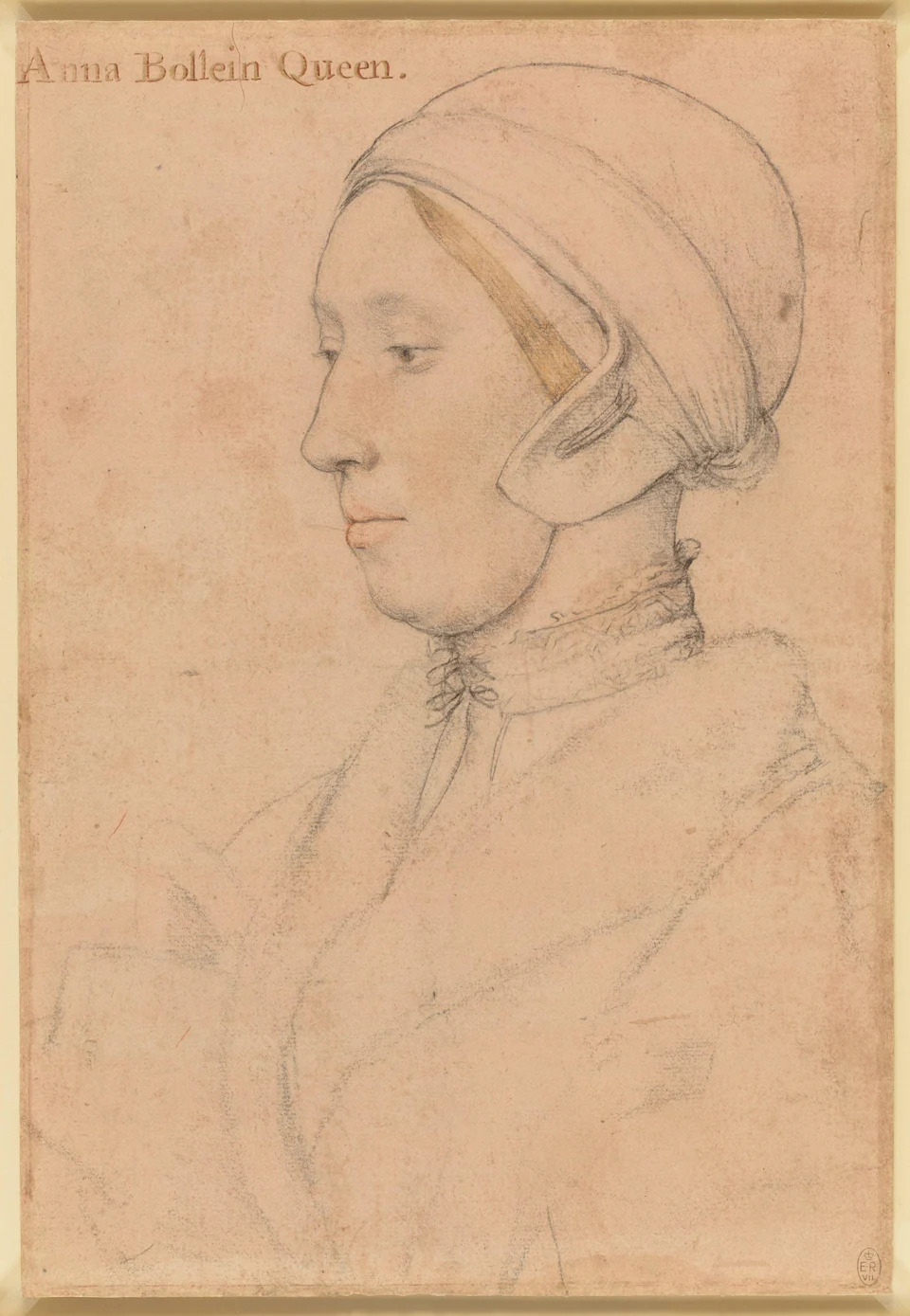
The computer science team believe this sketch was mislabelled and that this portrait actually depicts Anne Boleyn's mother, Elizabeth née Howard [Royal Collection Enterprises Limited 2026 | Royal Collection Trust]
The New Study
The Bradford team, led by Prof. Hassan Ugail with lead author Karen Davies, applied a machine‑learned facial-recognition algorithm to high-resolution digital images of Holbein's Tudor drawings in the Royal Collection. Their system compared facial landmarks across sketches, looking for clusters of resemblance. The researchers say the algorithm flagged a drawing long catalogued as an "unidentified woman" as clustering with portraits of known Boleyn relatives, including her daughter Elizabeth and several first cousins.
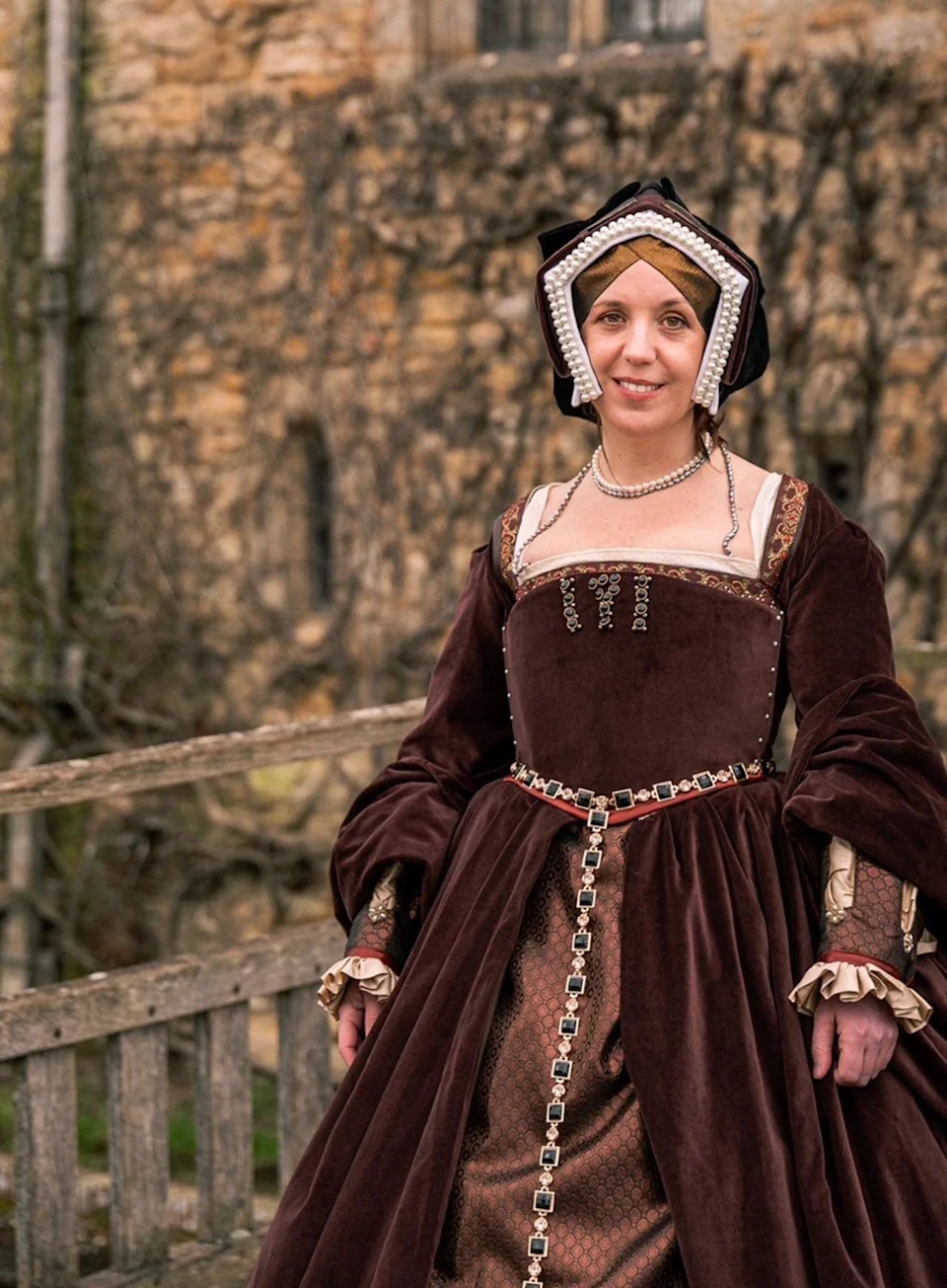
Karen Davies co-authored the research and has been fascinated with Boleyn ever since she was a child [Karen Davies]
Methodology and Claims
The study uses numerical "clustering" scores to indicate relative facial similarity: higher scores suggest stronger geometric resemblance. The team argues that these clusters point to familial likenesses and therefore identify a likely contemporary likeness of Anne Boleyn hidden among Holbein's drawings. The research has been peer reviewed and published.
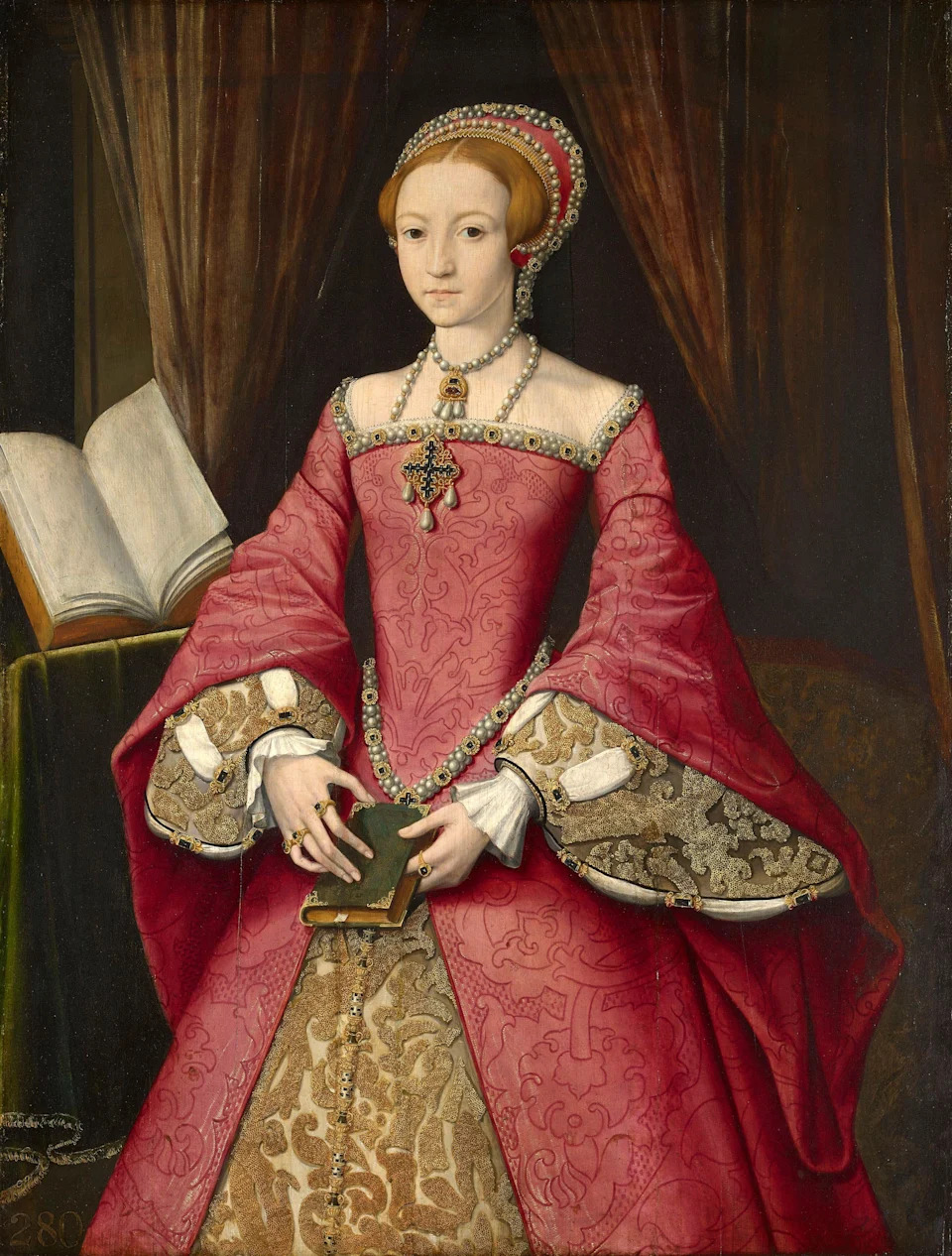
A digital copy of a painting of Anne Boleyn's daughter, a young Elizabeth I - on display at Windsor Castle - was run through the algorithm to work out family ties [Royal Collection Enterprises Limited 2026 | Royal Collection Trust]
Reception and Criticism
The Royal Collection Trust, which holds the Holbein drawings, was not involved in the study and does not endorse the findings, though it welcomes scholarly inquiry into its holdings. The study has divided specialists. Some historians accept the labelled Holbein sketch identified historically as Anne Boleyn; others, including Dr Bendor Grosvenor, strongly criticise the Bradford team's approach, calling the method "flawed" and warning that drawings are not equivalent to modern photographs for algorithmic comparison.
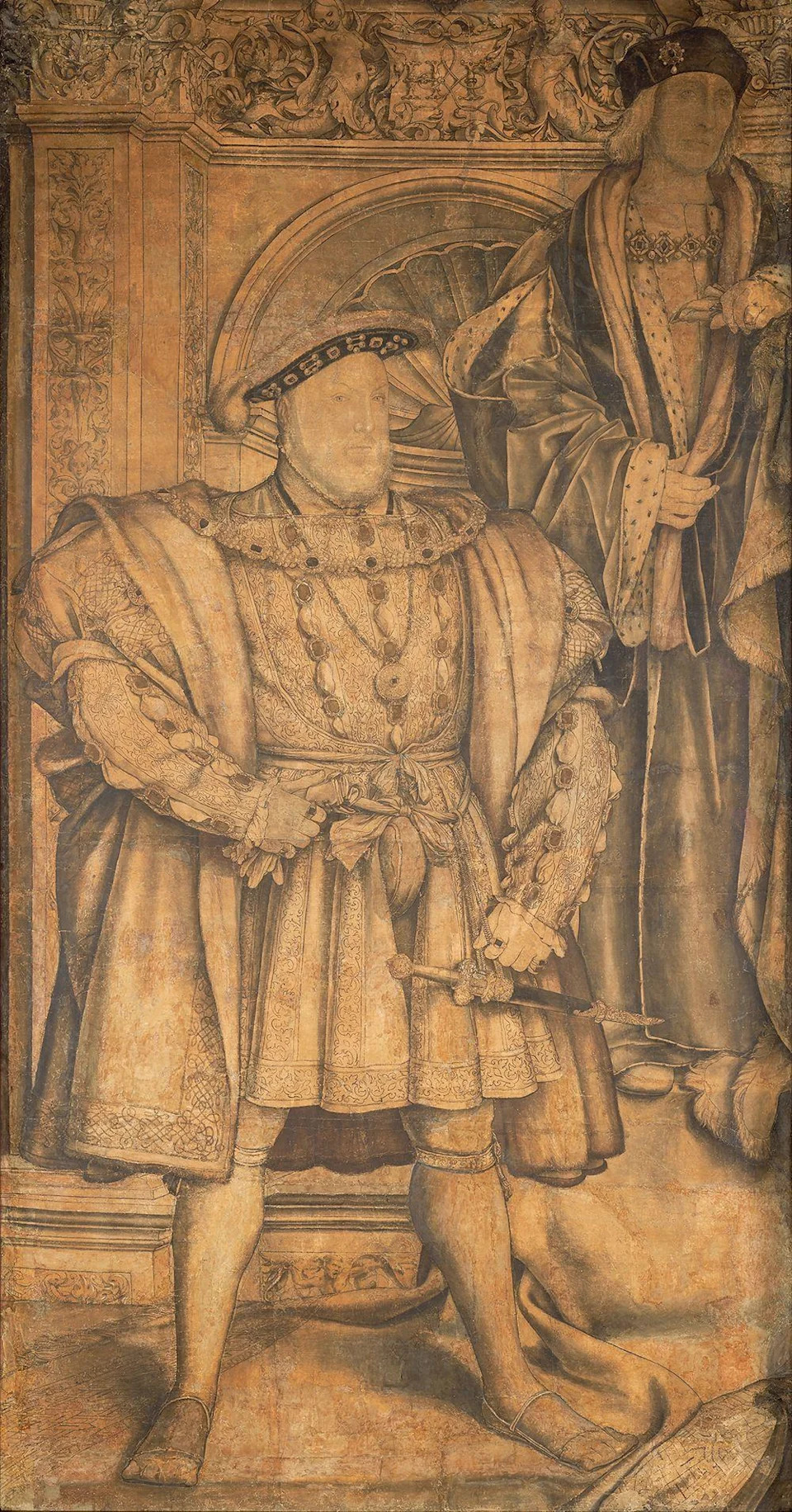
A preparatory drawing of King Henry VIII by Hans Holbein the Younger. The former monarch divorced his first wife Catherine of Aragon to marry Anne Boleyn [National Portrait Gallery, London]
"We don't have a lifetime painted portrait of her that's absolutely secure, a wonderful painting that we can use as a reference point," says Dr Charlotte Bolland, senior curator at the National Portrait Gallery. "Her reign wasn't necessarily long enough for an established iconography… and there is this tantalising suggestion that perhaps some of her images might have been deliberately destroyed."
Context And Caveats
Karen Davies, an independent historian who funded her research while working outside academia, rejects the authenticity of the Holbein drawing traditionally labelled as Anne Boleyn because of issues such as an 18th‑century inscription, the sitter's informal dress and apparent lighter hair. The Bradford team counters by comparing multiple portraits and relatives to reduce reliance on any single labelled image. Still, leading critics point out limitations: algorithmic likeness scores can be ambiguous, later alterations to drawings can obscure original features, and human expertise in art history remains crucial for interpretation.
Conclusion
The Bradford study introduces a technological approach to a centuries-old art-historical question, but it has not settled the matter. While facial-recognition clustering offers an intriguing lead, many art historians remain unconvinced and call for further multidisciplinary analysis — combining technical, documentary and curatorial perspectives — before any definitive identification of Anne Boleyn's likeness can be accepted.
Help us improve.