The viral claim that Prince George has a secret older sister, "Princess Arielly," is entirely fabricated. An AI-generated image mixing real photos with invented elements circulated on social media and was amplified by coordinated networks. Valent traced influence networks and automated accounts that reached around six million people, with activity tied to bot farms in Vietnam and funded via cryptocurrency. Experts warn such disinformation aims to erode trust in institutions and can have geopolitical consequences.
The 'Princess Arielly' Hoax: How AI And Bot Farms Fuel Absurd Royal Conspiracies
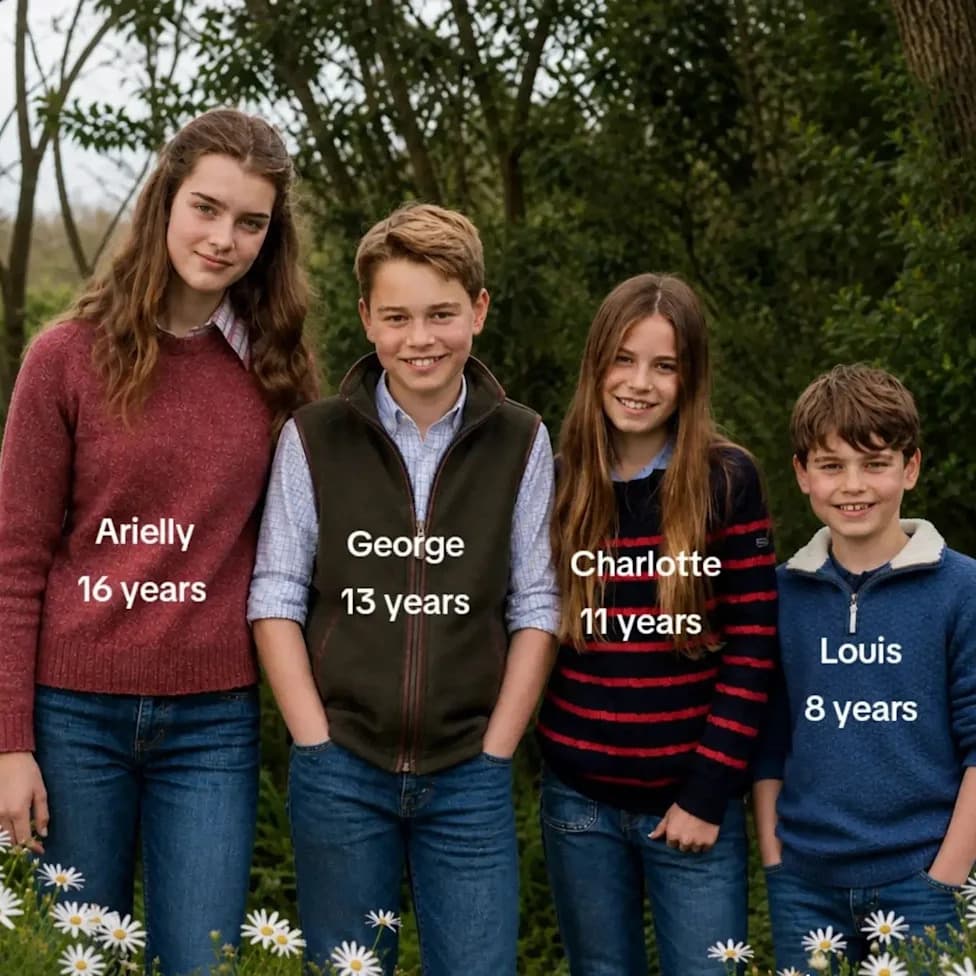
The AI-generated image claiming there is another, older princess - Instagram: @royalreporterlydia
Royal coverage is particularly active lately — from Harry and Meghan's return to England to the publication of Earl Spencer's memoir — but one of the strangest stories circulating online is a wholly fabricated social-media conspiracy: the claim that Prince George is not the eldest Wales child and that a secret older sister, "Princess Arielly," exists.
That allegation is false, yet it spread after an Instagram user, @royalreporterlydia, shared a warning and an example: an AI-generated family image purporting to show Prince William and Princess Catherine with four children labelled "Arielly 16 years, George 13 years, Charlotte 11 years, Louis 8 years." Commenters noted the supposed Arielly resembles a young Brooke Shields, and the image includes genuine photos of the Wales children — such as Princess Charlotte in a striped jumper — spliced into the fabricated portrait. That blend of authentic and invented material makes the hoax unsettling and deceptively believable.
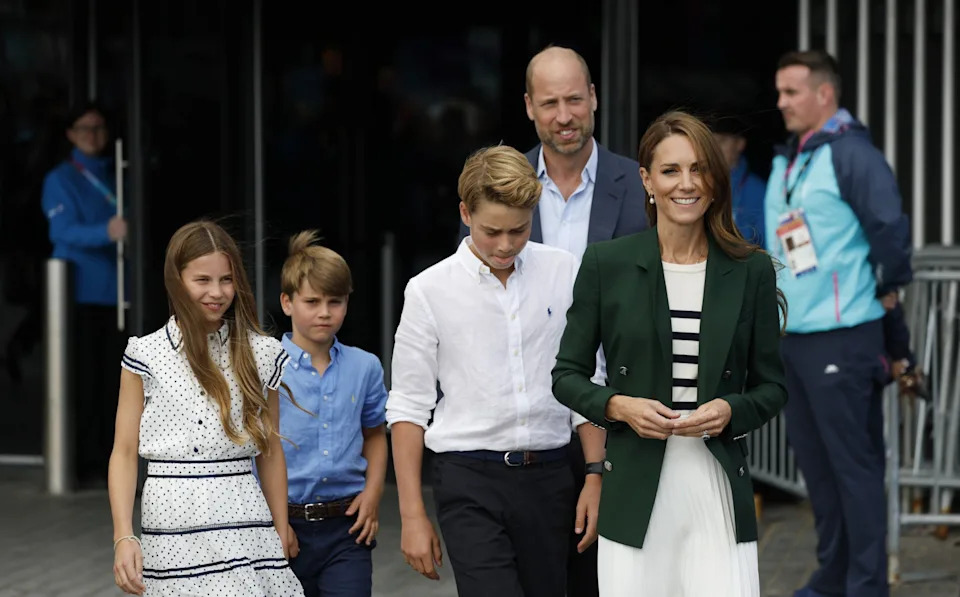
The real, entire family of the Prince and Princess of Wales in August 2026 - Getty/Jeff J Mitchell
From Ridiculous Rumour To Coordinated Disinformation
Why invent a claim so easily disproved for a family whose lives are publicly documented? Because online manipulation doesn’t rely on fact-checking; it relies on reach and repetition. Some recent falsehoods about the Royal family — notably a widely circulated claim that the King had secretly converted to Islam — appear to be part of deliberate, coordinated disinformation campaigns amplified by automated accounts and bot farms.
"These networks are collections of hundreds of social media accounts that post and repost each other's content, so together they were reaching six million people," says Amil Khan, CEO of Valent, the AI firm that tracked the trend.
Valent monitored 15 coordinated influence networks in the UK and traced many automated Facebook accounts that helped amplify the false King-conversion story to Vietnam. According to Khan, the operations resemble a decentralised, high-tech cottage industry: funders pay in cryptocurrency and hire service providers who run bot farms using walls of mobile phones. Those payment routes and cross-border execution make attribution difficult and provide plausible deniability to any sponsoring actor.
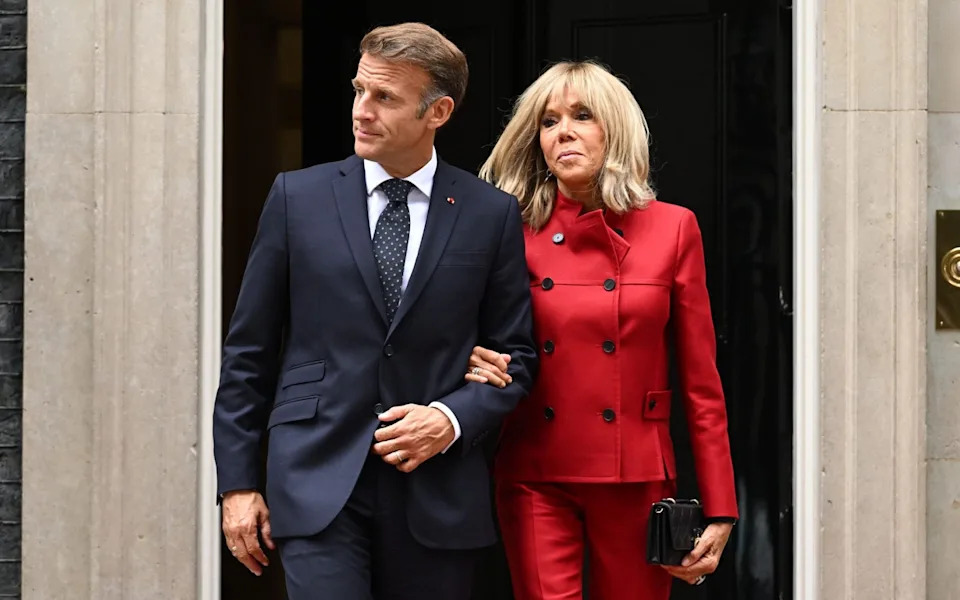
Brigitte Macron has been a victim of conspiracies that baselessly claim she was born male - Getty/Leon Neal
Geopolitical Stakes And The Role Of AI
Experts warn the goal is not always to persuade everyone, but to sow doubt and erode trust. Henry Ajder, an AI and deepfake specialist, explains that AI-generated content doesn’t need to be flawless — it only needs to be emotive and believable enough to activate pre-existing biases. Public figures such as the Royal family are attractive targets because undermining their reputation can have wider geopolitical consequences and damage the UK's soft power.
Public amplification of false narratives can be rapid: former New York mayor Rudy Giuliani echoed rumours about the monarchy in a broadcast interview, demonstrating how fringe content can migrate into mainstream awareness. Other examples, such as cruel baseless claims about Brigitte Macron's gender history, show these hoaxes can have real-world harms, including convictions for cyberbullying in extreme cases.
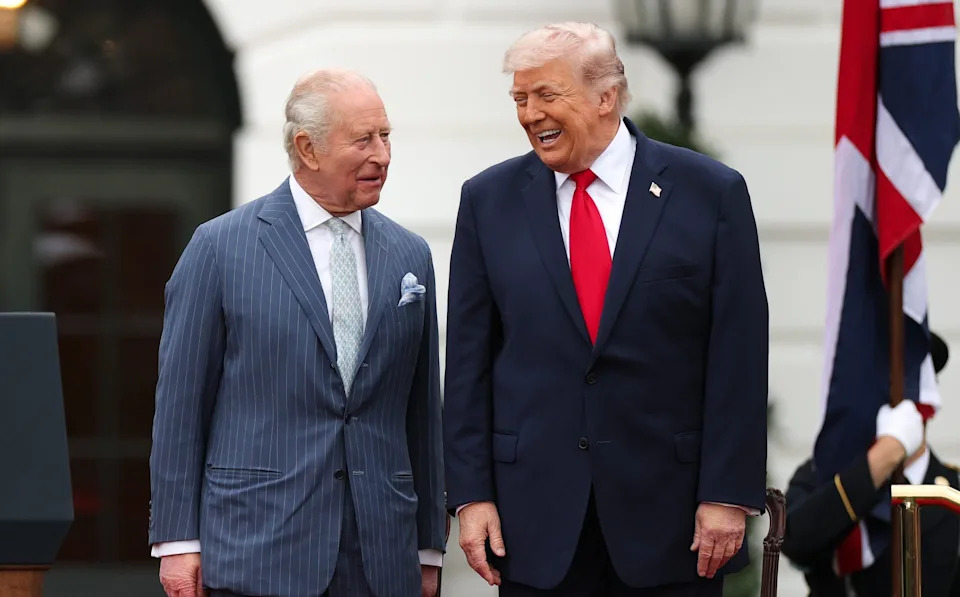
There were concerns that the recent claims concerning the King were created to derail his state visit to America earlier this year - Getty/Kevin Dietsch
What This Means For Public Trust
Ajder and Khan agree that the proliferation of convincing AI tools and inexpensive automated amplification makes misinformation cheaper, harder to trace, and more damaging. The effect is a "drip-drip" erosion of trust: repeated exposure can normalize false claims and leave the public confused or disengaged. Addressing the threat would require significant investment from social platforms and closer cooperation with governments — steps that are technically and politically challenging.
For now, the "Princess Arielly" story is a reminder that not every viral image or claim is true — and that deceptive actors increasingly use realistic AI imagery and coordinated networks to spread falsehoods with potential national-security and diplomatic implications.
Help us improve.