Heavy rain and a gate malfunction at the Dicle Dam briefly revealed a submerged city in southeastern Turkey, estimated to be about 2,400 years old. Dicle University teams conducted underwater and on-site surveys, documenting 78 houses, a mosque with an attached madrasa, and several tombs; some finds may date to the fifth century B.C. Researchers warn erosion and shifting sediments threaten the remains and urge systematic underwater archaeological work to preserve this layered historical site.
Gate Malfunction at Dicle Dam Reveals 2,400-Year-Old Submerged City in Turkey
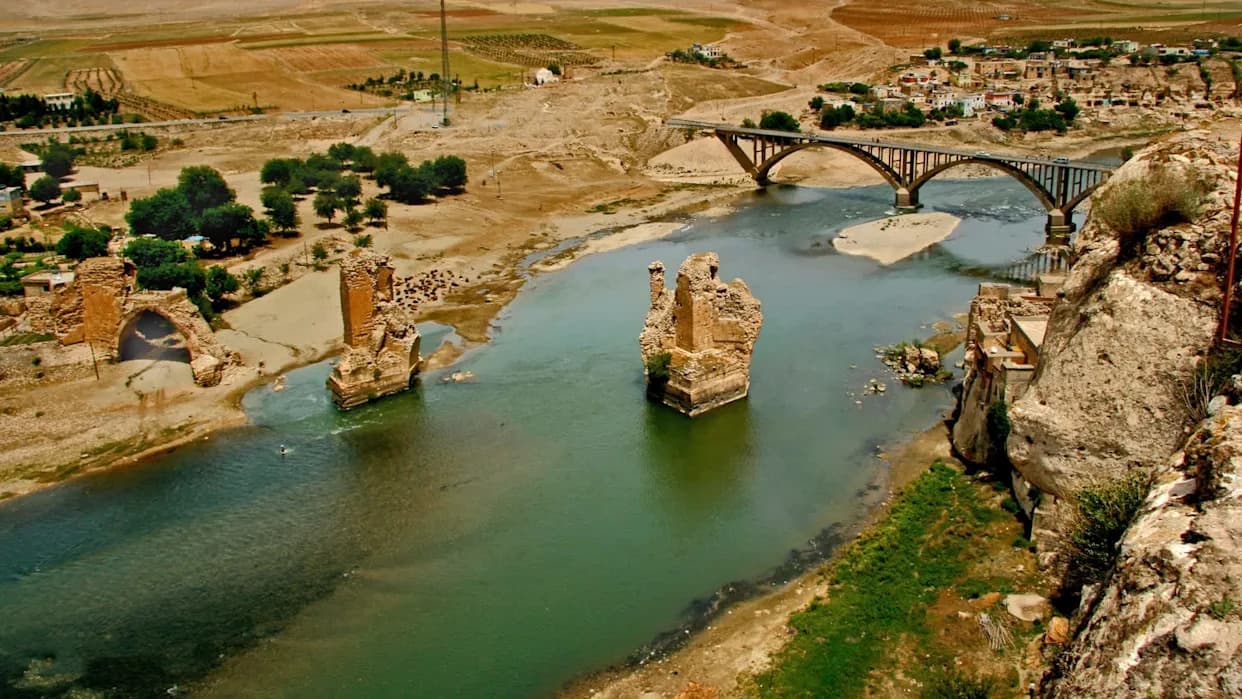
Photo Credit: iStock
Heavy rain combined with a gate malfunction at the Dicle Dam in southeastern Turkey briefly lowered reservoir levels and exposed the remains of an ancient city estimated to be about 2,400 years old. The exposed site, in the Eğil district, had been submerged since the reservoir filled after the dam’s construction nearly three decades ago.
Discovery and Survey
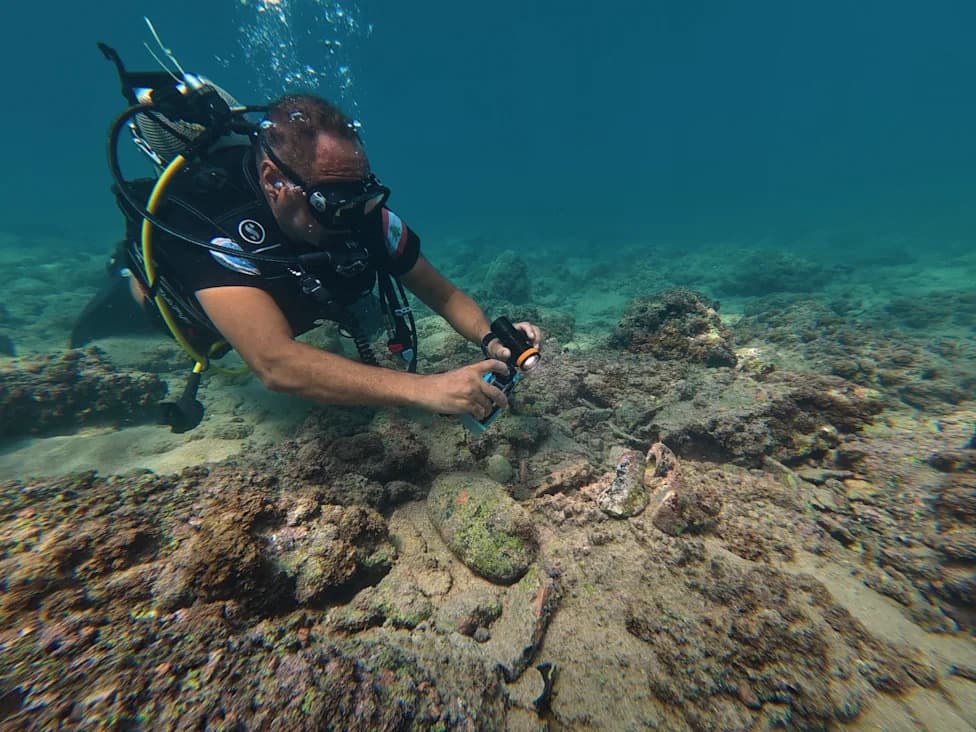
Researchers from Dicle University mobilized quickly during the short window when the ruins were accessible. Using a combination of underwater survey techniques and on-site inspections, the team mapped and photographed structures that point to a once-substantial population center.
The survey identified the remains of 78 houses, a mosque and adjoining religious school (madrasa), and multiple tombs. The researchers say some material may date back to the fifth century B.C., indicating occupation from the classical era. The wider Eğil district is known for overlapping layers of civilizations, and the team noted the possibility that a Byzantine-era bath complex (Deran Bath) also lies beneath the waters.
"In the images captured by our teams, or when the water level drops, we can see that these historic structures have preserved their integrity and remain standing in good condition," said İrfan Yıldız, one of the lead researchers.
Significance and Risks
This was the first time archaeologists were able to descend and systematically record the submerged settlement since the Dicle Dam was completed nearly 30 years ago. While the dam remains an important local water source, its reservoir concealed a rich archaeological landscape that may yield significant new information about the region's past.
Researchers emphasized the urgency of further work: erosion, fluctuating water levels, and shifting sediments could quickly damage exposed structures and artifacts. They called for systematic underwater archaeological studies to document and preserve finds before they are lost.
Next steps: The team hopes to conduct more comprehensive underwater excavations and to coordinate conservation efforts with local authorities to protect the site and its artifacts.
Help us improve.