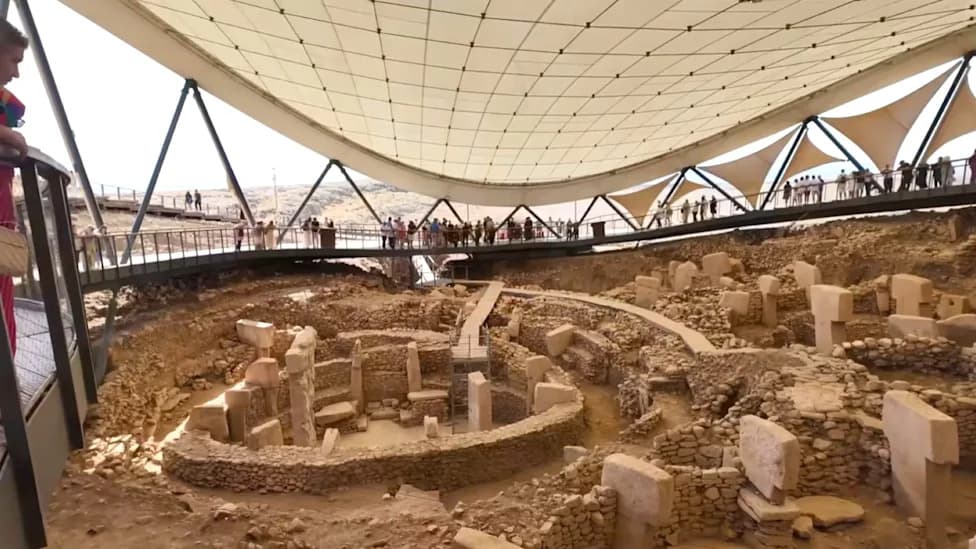
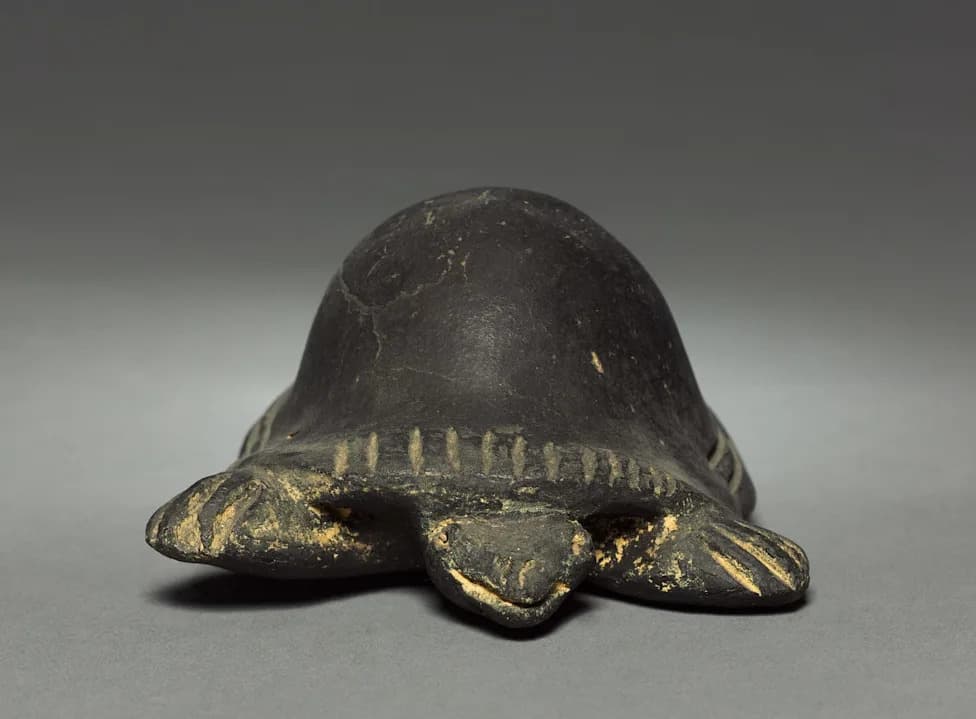
Archaeologists excavating Troy's Hisarlik mound have uncovered what they identify as the city's oldest agora, dated to about 2,800 years ago. The discovery — together with a paved road and Iron Age pottery — suggests the site was resettled roughly 80–90 years after its traditional fall (c. 1184 BC), disputing the idea of a long abandonment. Ongoing analysis aims to refine the dating and understand the scale of the early Iron Age occupation.
Troy Revisited: 2,800-Year-Old Agora Found — City Reoccupied Soon After Its Fall
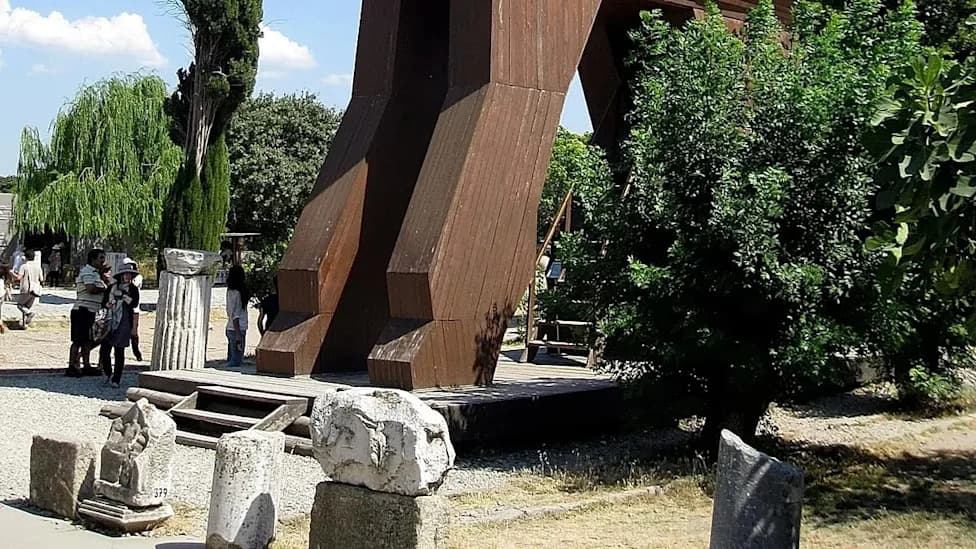
Archaeology at Troy: 2,800-year-old agora found, city was not abandoned after war
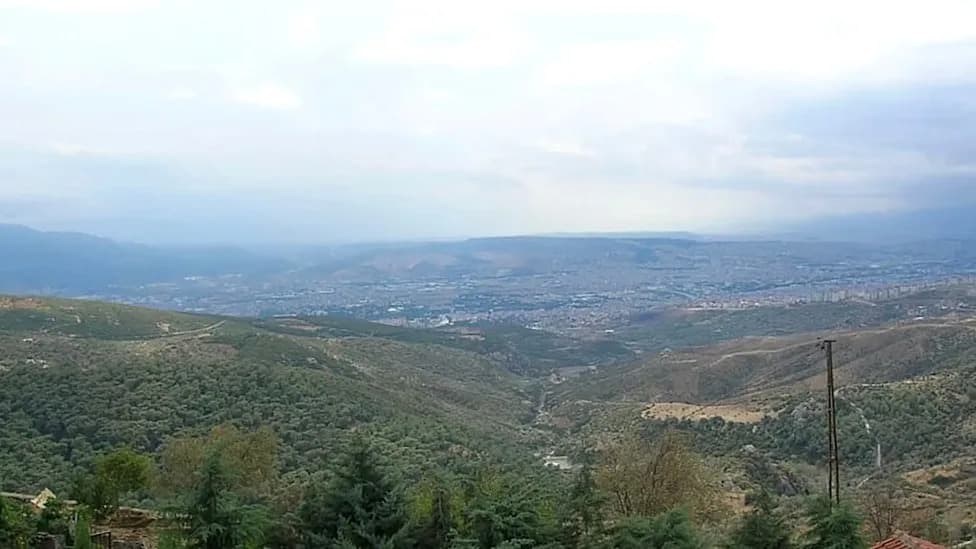
The ancient city of Troy, on the Hisarlik hill in north-west Turkey, has yielded a major new discovery: archaeologists say they have uncovered the city's oldest agora, dated to roughly 2,800 years ago. The find is part of ongoing excavations that have been carried out since 2014 by the Turkish Ministry of Culture and Tourism in partnership with Çanakkale Onsekiz Mart University.
Finds That Change the Timeline
Excavators uncovered a paved road leading to the southern gate, a concentration of Iron Age ceramics and the public square identified as an agora. Taken together, these finds challenge the long-held view that Troy remained empty for several centuries after its fall — traditionally dated to 1184 BC — before being resettled by Aeolian Greeks in the 8th century BC.
Reyhan Körpe, deputy director of the excavations, says the evidence indicates new settlers arrived only about 80–90 years after the city's collapse and reused surviving fortification walls as foundations for their houses. If confirmed, this compresses the gap between the Late Bronze Age destruction layers and the Iron Age occupation phases.
Context and Significance
The area under study corresponds to layers attributed to Troy VI (c. 1700–1300 BC), widely regarded as the city's apex before the legendary conflict. The site has a long modern excavation history: Heinrich Schliemann launched major digs around 1870 inspired by Homeric epics, and the site was later divided into stratigraphic phases from Troy I to Troy IX. Troy was inscribed on the UNESCO World Heritage List in 1998.
"These discoveries help fill a critical chapter in Troy's long history, bridging the Late Bronze Age and Iron Age occupations," the excavation team said in a statement.
Further analysis of pottery, architectural remains and radiocarbon samples will be needed to confirm precise dates and the scale of resettlement. Still, the agora and associated infrastructure point to a revival of urban life on the mound much sooner than many scholars previously believed.
What Happens Next: Continued fieldwork and laboratory study over the coming seasons should clarify how quickly people returned to Hisarlik and how the site's culture and economy changed during the transition from the Late Bronze Age to the Iron Age.
Help us improve.