Dr. Charles Lieber, convicted in 2021 for concealing ties to a China recruitment program, has relocated to Shenzhen and now leads China’s i‑BRAIN institute. He served two days in federal prison and six months of home confinement for six counts tied to a Wuhan University of Technology contract. Reports say he now has access to semiconductor fabrication equipment and a large primate facility, raising concerns about dual‑use and military applications. Experts say the move highlights gaps in U.S. efforts to prevent sensitive technology transfer.
Ex‑Harvard Scientist Rebuilds Brain‑Computer Lab in Shenzhen and Now Leads China’s i‑BRAIN

Harvard scientist convicted of lying about China ties rebuilds brain-tech lab in China
Dr. Charles Lieber, a former Harvard University researcher convicted in 2021 for concealing involvement in a China‑run recruitment program, has re-established a brain‑computer interface laboratory in Shenzhen and been named head of China’s Institute for Brain Research, Advanced Interfaces and Neurotechnologies (i‑BRAIN), Reuters reports.

Charles Lieber, chair of Harvard University's chemistry and chemical biology department, is released from John Joseph Moakley United States Courthouse in Boston on Jan. 30, 2020. Federal authorities said Lieber, a nanoscientist and entrepreneur, received hundreds of thousands of dollars from his Chinese connections.(Getty Images)
Background
Lieber was found guilty on six counts related to false statements about a contract with Wuhan University of Technology. He served two days in federal prison followed by six months of home confinement. According to multiple reports, just over three years after that conviction he relocated to China to continue his research.
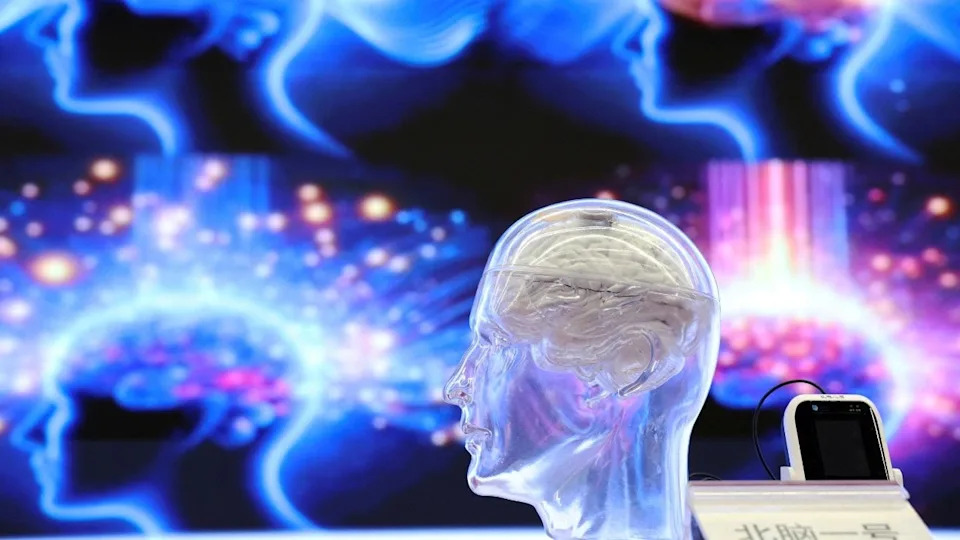
Beinao-1, a semi-invasive brain-machine interface system also known as the NeuCyber Matrix BMI system, is displayed during a media briefing as part of an organised media tour to the Chinese Institute for Brain Research in Beijing, China March 19, 2026.
New Role and Resources
Regarded as a leading authority on nanotechnology, Lieber is now reported to head i‑BRAIN, a national effort to accelerate brain‑computer interface development. At a Shenzhen government news conference in December, he said:
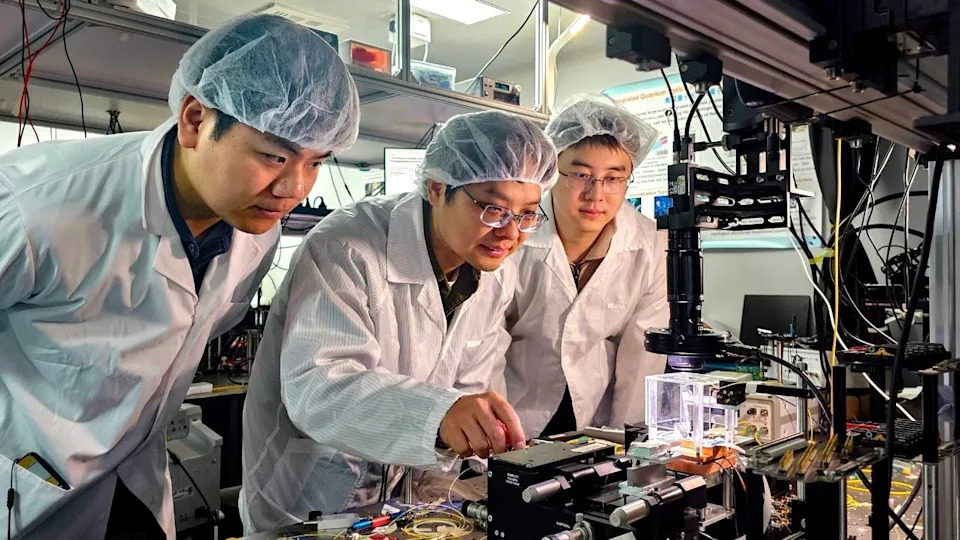
Wang Jianwei C, a professor at Peking University, tests an integrated photonic quantum chip with doctoral students Jia Xinyu L and Zhai Chonghao in a laboratory of Peking University in Beijing, capital of China, Feb. 18, 2025.
"I arrived on April 28, 2025, with a dream and not much more, maybe a couple bags of clothes. Personally, my own goals are to make Shenzhen a world leader."
Reports indicate Lieber has access to advanced fabrication equipment reportedly capable of producing high‑value semiconductor components and to a large primate facility to support invasive neurotechnology research.
Implications and Reactions
Observers say the move highlights two converging trends: China’s aggressive investment in cutting‑edge technologies and ongoing challenges in preventing sensitive technology transfer. Some national security experts argue the case underscores limits in current U.S. enforcement and export controls.
Brain‑computer interfaces (BCIs) show promise for treating neurological disorders but also raise concerns about dual‑use and potential military applications. Analysts warn that access to advanced fabrication and animal research facilities could accelerate development in ways that complicate ethical and security oversight.
Requests for comment: Fox News Digital and Reuters report that Harvard University and i‑BRAIN were contacted for comment but did not immediately respond.
Help us improve.