Dr. Amy Acton, Ohio’s former public health director, faces a gubernatorial campaign still defined by the COVID-19 decisions she helped make in 2020. Her likely Republican opponent, Vivek Ramaswamy, is using lingering frustration over pandemic restrictions as a central line of attack while downplaying his own pandemic-era ties. The race highlights how the pandemic’s social and political aftershocks—over public health, government power and trust—remain powerful forces in state-level politics.
COVID’s Long Shadow Shapes the Race for Ohio Governor
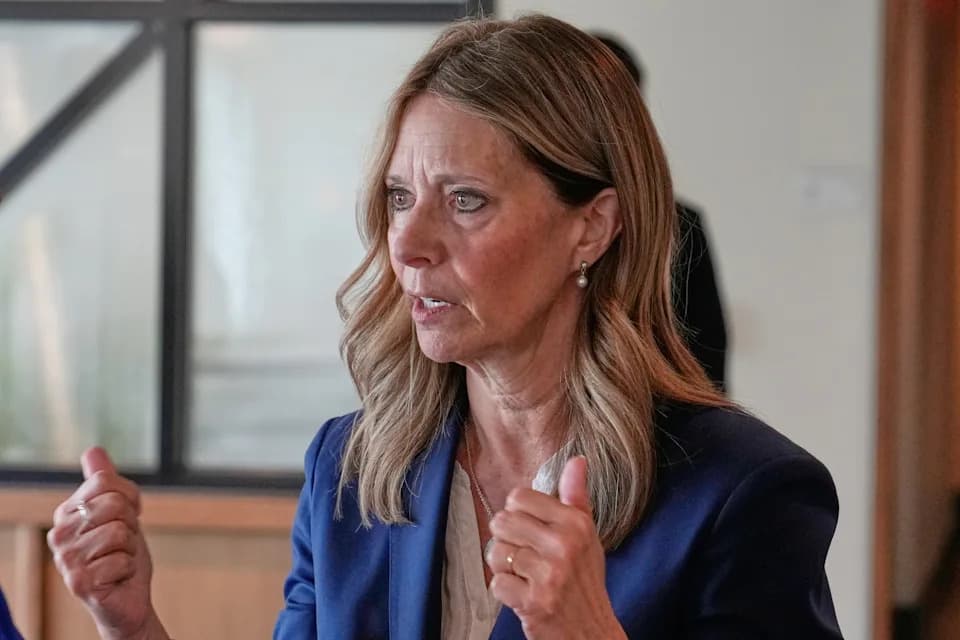
FILE - Amy Acton, Democratic candidate for Governor of Ohio, gestures as she speaks with a reporter in Columbus, Ohio April 15, 2026. (AP Photo/Sue Ogrocki, File)(ASSOCIATED PRESS)
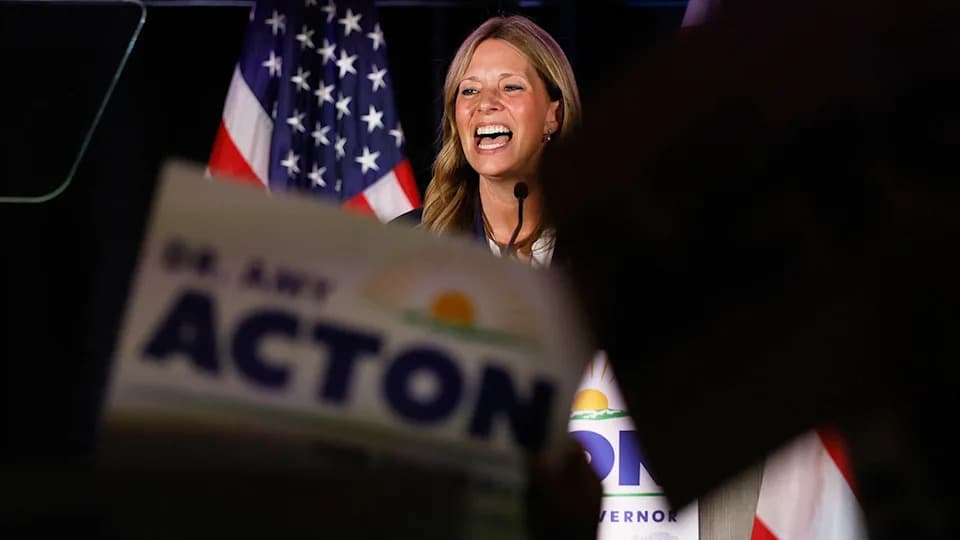
Dr. Amy Acton, the Democrat running unopposed in her party’s primary for Ohio governor, is confronting a campaign shaped as much by memory as by policy. Six years after serving as Ohio’s public health director during the first wave of the coronavirus pandemic, Acton’s decisions in 2020 have resurfaced as a central issue in a statewide contest that Republican voters and candidates are framing around personal freedom and government overreach.
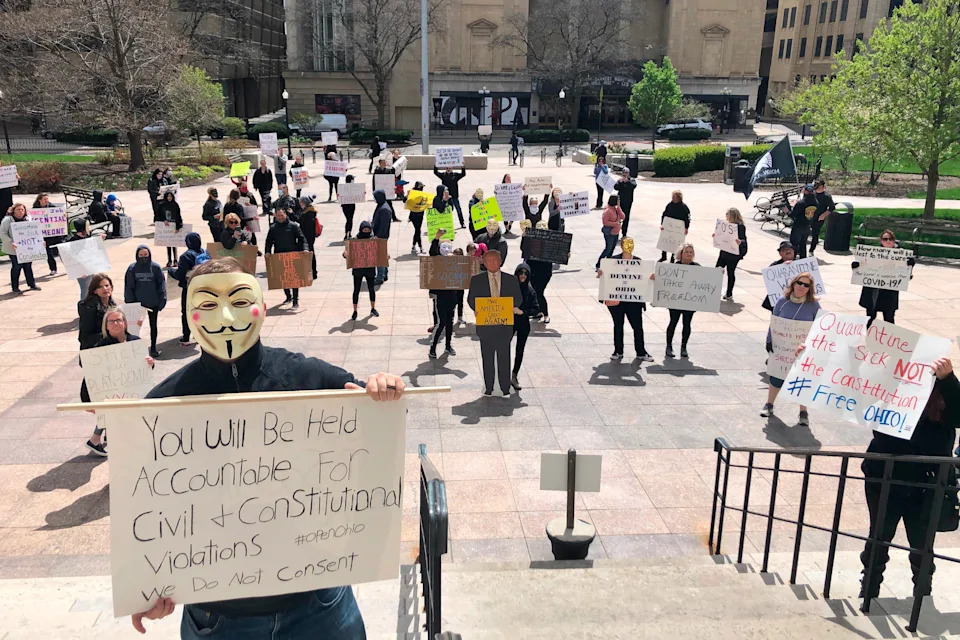
People protest outside the Ohio Statehouse on April 9, 2020, in Columbus, Ohio, on the state's shutdown of the economy, and to question the models used by Health Director Dr. Amy Acton to continue her shelter-at-home order during the pandemic. (AP Photo/Andrew Welsh-Huggins, File)(ASSOCIATED PRESS)
Why 2020 Still Matters
A physician by training, Acton was Ohio’s visible public-health voice in early 2020, appearing alongside Republican Gov. Mike DeWine at daily briefings and helping implement emergency orders that closed schools, limited events, shuttered businesses and suspended in-person voting in the state’s 2020 primary. Those actions, which her campaign says saved lives, remain politically potent: critics point to the restrictions as evidence of excessive government power, while supporters praise the measures as necessary public-health leadership.
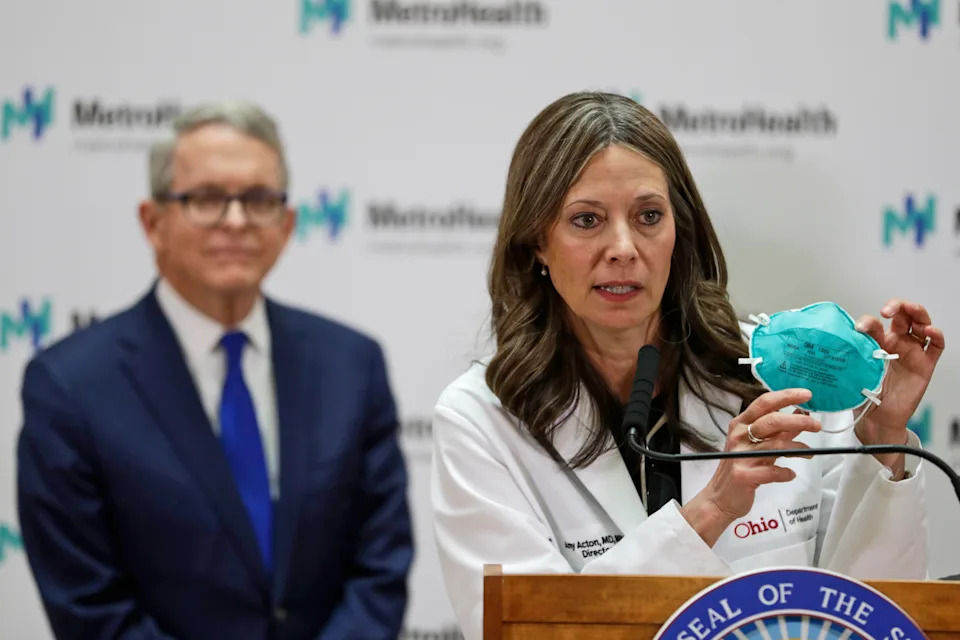
FILE - Ohio Department of Health Director Amy Acton holds up a mask as she gives an update at MetroHealth Medical Center as Ohio Gov. Mike DeWine, listens, Feb. 27, 2020, in Cleveland, on the state's preparedness and education efforts on COVID-19. (AP Photo/Tony Dejak, File)(ASSOCIATED PRESS)
“Dr. Acton is proud of the work she did alongside Governor DeWine to put public health over politics, save lives and keep Ohioans safe,” said campaign spokesperson Addie Bullock. “It is unfortunate that Vivek Ramaswamy wants to play politics on this issue.”
How It Plays in the Campaign
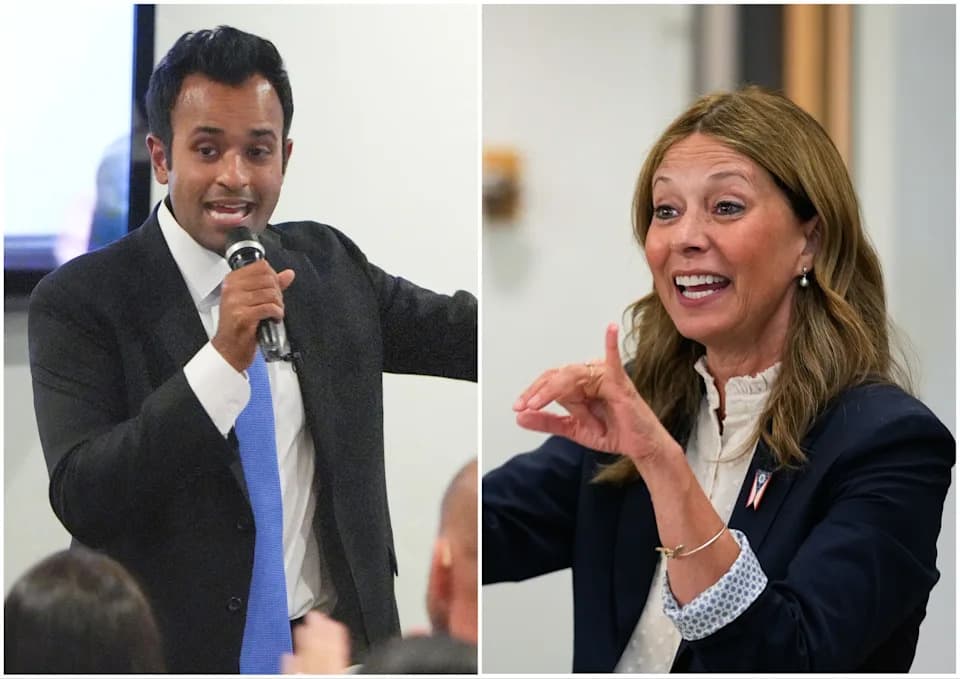
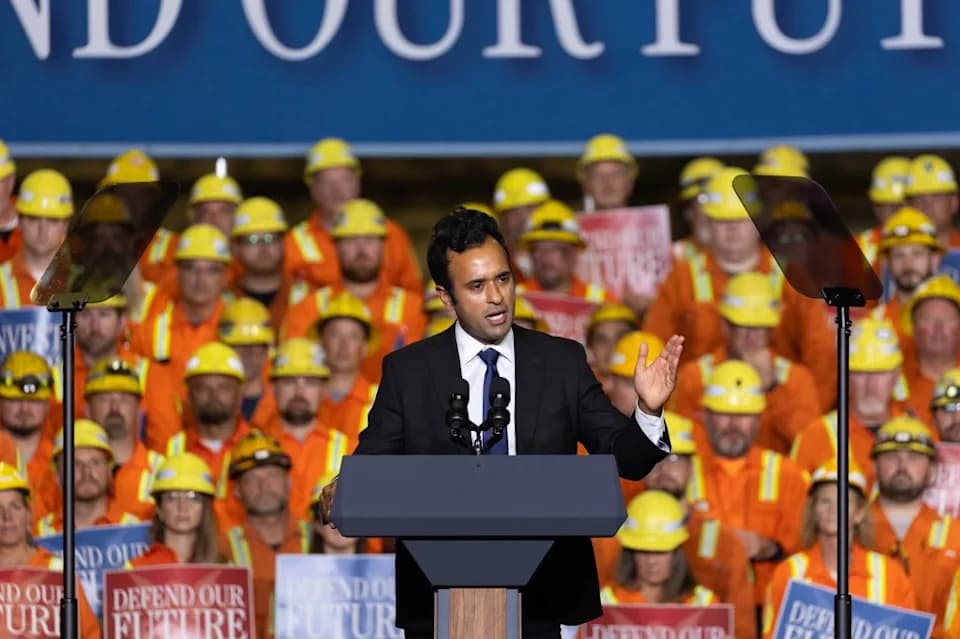
Acton’s presumed Republican opponent, Vivek Ramaswamy, has national name recognition and personal wealth he is investing in his run. Ramaswamy and other Republicans have made Acton’s 2020 orders a repeated attack line—airing ads and drawing loud reactions to her name at rallies. At the same time, reporting shows Ramaswamy’s corporate ties during the pandemic, including roles connected to Roivant and subsidiaries such as Genevant and Datavant, have drawn scrutiny even as he publicly distances himself from that record.
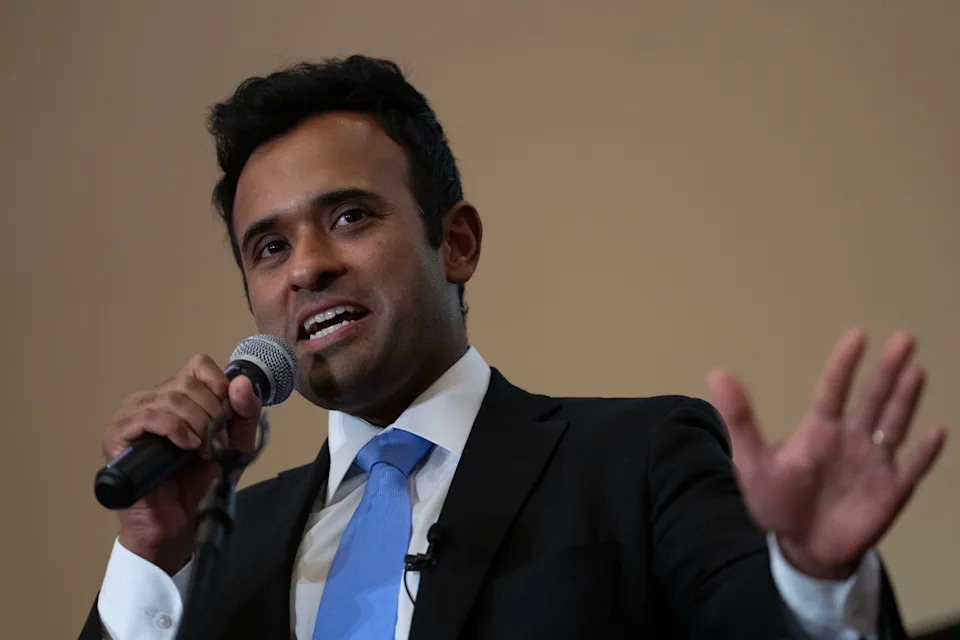
Republican Ohio gubernatorial candidate Vivek Ramaswamy speaks during the Warren County Republicans Lincoln Day Dinner at the Great Wolf Lodge in Mason, Ohio, Friday, April 10, 2026. (AP Photo/Carolyn Kaster)(ASSOCIATED PRESS)
Ramaswamy told reporters he supported efforts to get the economy moving during the pandemic and called his positions "nuanced." He has previously supported vaccines and mask-wearing but opposes government mandates for either. DeWine, who has endorsed Ramaswamy, publicly defended Acton on the 2020 primary suspension, saying the health order was issued at his direction.
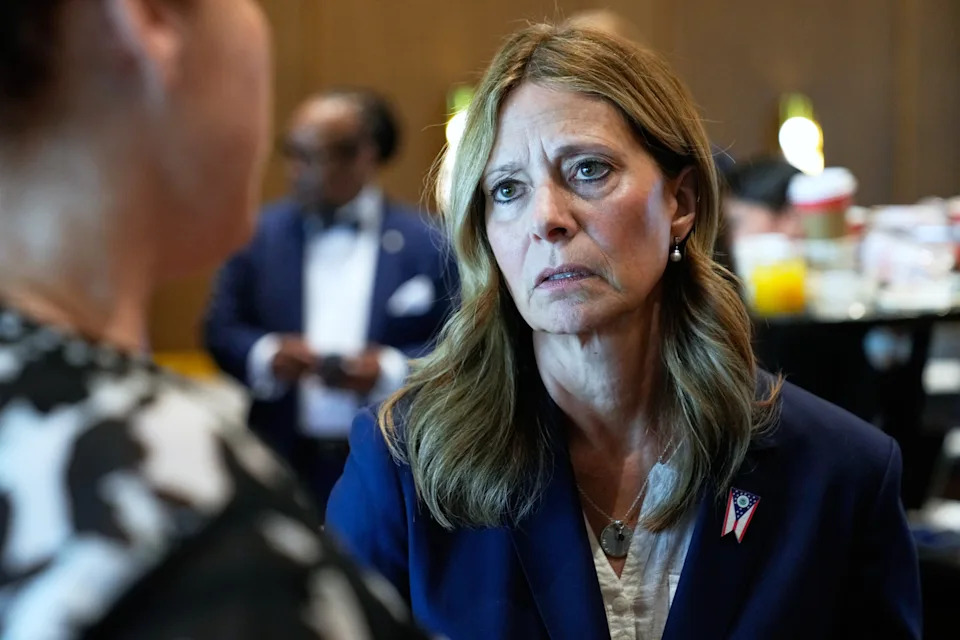
FILE - Amy Acton, Democratic candidate for Ohio governor, talks with people during a break in a conference in Columbus, Ohio, April 15, 2026. (AP Photo/Sue Ogrocki, File)(ASSOCIATED PRESS)
Broader Political Fallout
The pandemic’s social and political aftershocks have reshaped how many Americans view vaccines, the proper scope of government power and trust in health officials. Ohio ranked 22nd among states in per-capita COVID-19 deaths during the pandemic’s first year, according to CDC data—an often-cited data point in discussions about how well different states managed the crisis.
Acton left the public health director post midway through 2020 and has largely avoided re-litigating the heated aftermath—legislative efforts to curb emergency powers, protests outside officials’ homes, and the partisan backlash that followed. On the trail she emphasizes public-health accomplishments and a willingness to work across party lines: “So I’ll work with anyone who wants to solve a problem rather than make one,” she said at a recent forum.
What To Watch
As the general election approaches, watch whether voters prioritize public-health record and crisis leadership or whether the memory of restrictions and disruptions carries more electoral weight. The contest in Ohio illustrates a national pattern in which pandemic-era policies remain politically salient years later—shaping narratives, motivating voters, and influencing how candidates frame competence and liberty.
Help us improve.