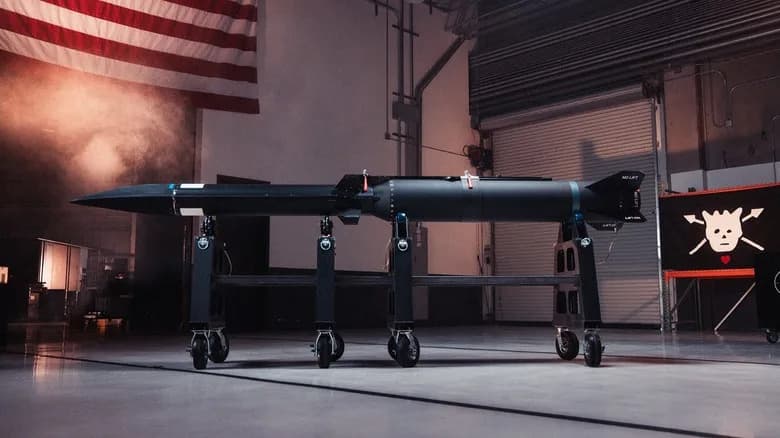
Dark Eagle is the US Army's boost‑glide hypersonic weapon, reportedly capable of speeds above Mach 5 and a range near 1,725 miles. Bloomberg reported that CENTCOM requested deployment to the Middle East amid stalled talks with Iran, though that account is unverified. The system faced years of testing delays, especially with its launcher, before successful end‑to‑end tests, with the latest reported in December 2024. If deployed, Dark Eagle would extend strike reach and complicate interception, but its operational impact is constrained by verification and regional context.
Dark Eagle Could Be Deployed To The Middle East — What The Hypersonic Missile Can Do
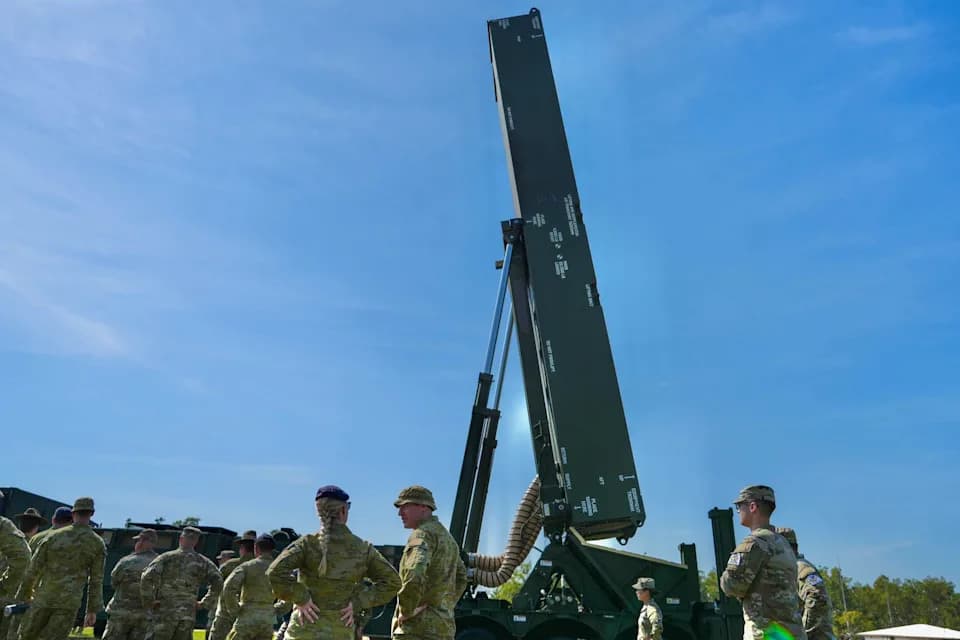
The Army deployed Dark Eagle to northern Australia in 2025 for an exercise — the first time the new weapon has been deployed outside the US.Sgt. Perla Alfaro/US Army
The US Army's Long Range Hypersonic Weapon, commonly known as Dark Eagle, has drawn renewed attention after reports that US Central Command requested its deployment to the Middle East. If true, the move would position a high-speed, long-range strike option closer to potential targets deep inside Iran — though key details remain unverified.
What Is Dark Eagle?
Dark Eagle is a boost‑glide hypersonic weapon system that combines a rocket boost with a maneuverable glide body that travels at speeds above Mach 5. The system is reported to have a range of nearly 1,725 miles (roughly the distance between New York City and Denver), and is launched from a truck‑mounted transport‑erector launcher (TEL).
How It Works
After the rocket booster places the glide vehicle on a high‑speed trajectory, the glide body flies at hypersonic speeds and uses control surfaces to alter its path in flight. That maneuverability — combined with extreme speed — complicates defenders' ability to predict a flight path and intercept the weapon compared with traditional ballistic projectiles.
Reported Deployment And Verification
Bloomberg reported that CENTCOM requested deployment of Dark Eagle to the Middle East, citing a person with direct knowledge. Business Insider could not independently verify the report, and CENTCOM told Business Insider it had no further comment.
Any movement of such a high‑profile system would be significant, but public reporting remains limited and the claim should be treated as unconfirmed until official statements or additional reporting are available.
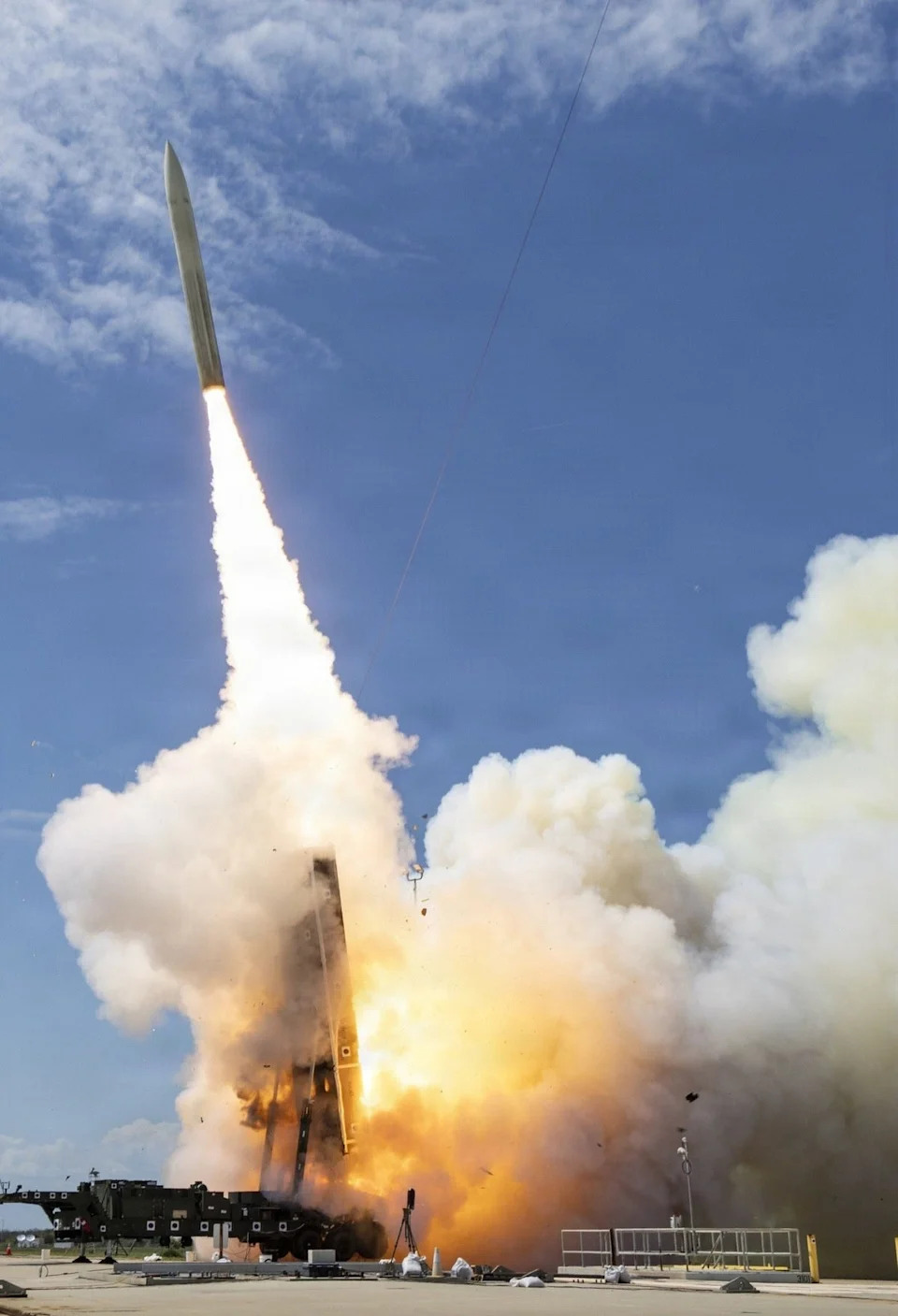
US Army Contracting Command released this image of a Dark Eagle launch on April 20.Sarah Nelson/US Army
Testing, Delays, And Operational Status
Dark Eagle's development was slowed for years by testing problems, particularly with the launcher. Engineers eventually completed end‑to‑end flight tests, the most recent of which was reported in December 2024. The exact date when the system became operational — or its current readiness level — has not been publicly confirmed.
How It Fits Into Current Operations
The weapon would extend US strike reach beyond systems such as the Army's Precision Strike Missile (PrSM) and Tomahawk cruise missiles, offering commanders an option for engaging time‑sensitive or high‑value targets at greater distances. That said, analysts note Dark Eagle may not fundamentally change the dynamics of the current campaign if adversary air‑defense networks are already degraded by prior operations.
Strategic Context And Risks
Dark Eagle is part of a broader global effort: the US, China and Russia are racing to develop deployable hypersonic weapons. Past arms‑control measures, such as the now‑defunct INF Treaty, had restricted ground‑launched systems in certain ranges, which affected earlier development paths.
Deploying a hypersonic weapon into a tense region carries escalation risks and political implications. Officials and analysts will likely weigh the operational benefits against those risks and the uncertainty surrounding verified capability and availability.
Takeaway
Dark Eagle represents a potentially powerful long‑range, high‑speed strike option with maneuverability designed to complicate interception. Reports of a CENTCOM deployment request underscore its strategic relevance, but independent confirmation and public details on operational status remain limited.
Help us improve.