Summary: Abrupt suspension of U.S. humanitarian funding and rapid staffing cuts at USAID left implementing partners without disposition plans, enabling Iran-backed Houthi forces in northern Yemen to seize over $122,000 in U.S.-funded equipment in 2025. The USAID Office of Inspector General documented the seizure and had earlier warned that agency staffing reductions and a foreign aid freeze degraded oversight. The inspector general was dismissed shortly after issuing that warning.
How U.S.-Funded Aid Equipment Ended Up With Iran-Backed Houthis After Rapid USAID Cuts
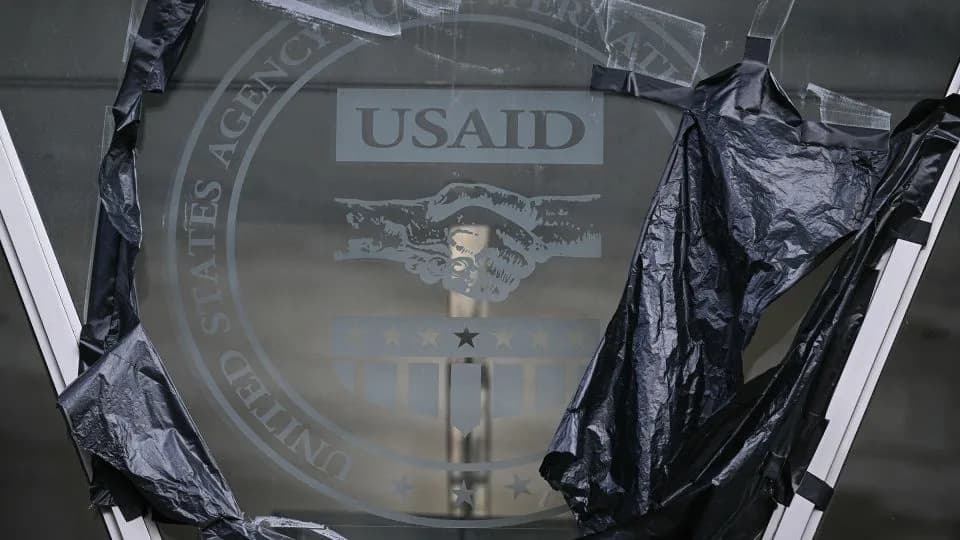
Remnants of signage for the US Agency for International Development, on the facade of the Ronald Reagan Building and International Trade Center in Washington, DC, on December 29, 2025. - Brendan Smialowski/AFP/Getty Images/File
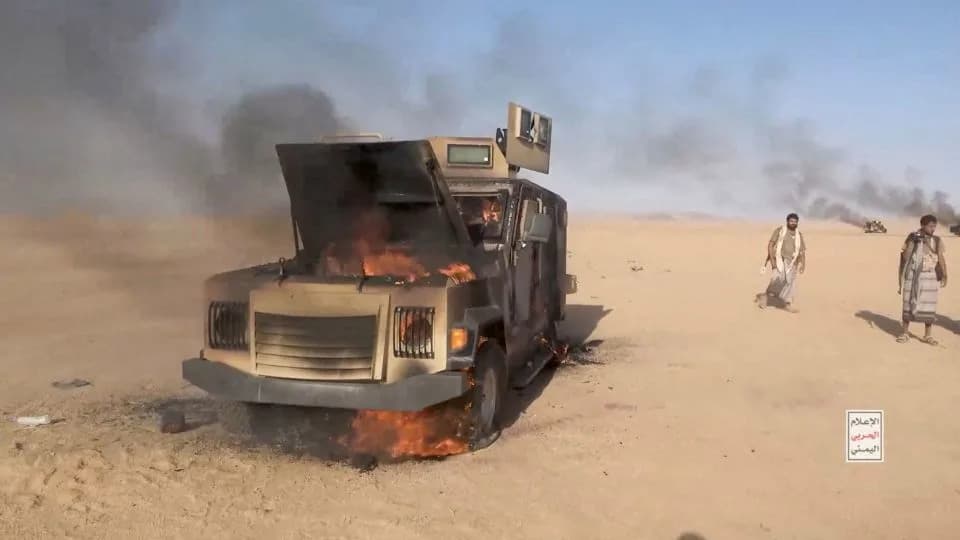
Former U.S. officials say that Iranian-backed Houthi forces in Yemen seized more than $122,000 in U.S.-funded supplies and equipment — including vehicles — after the Trump administration abruptly suspended humanitarian funding and significantly reduced staffing at the U.S. Agency for International Development (USAID).
What Happened
According to former officials and a summary from the USAID Office of Inspector General (OIG), the seizure was a direct consequence of the sudden termination of U.S. humanitarian awards in Yemen and the rapid dismantling of agency operations. Awards that had supported warehouses, vehicles, food, hygiene kits and other items were ended in a matter of days, leaving implementers without the customary guidance on how to handle U.S.-funded assets.
Disposition Plans Were Not Completed
Under normal practice, implementing partners work with USAID to create a disposition plan when an award ends. Those plans—reviewed by multiple officials—ensure U.S.-funded assets are transferred, reassigned, or disposed of in a way that protects U.S. interests and prevents misuse. Former officials said that because most USAID staff were put on leave and contractors were furloughed or laid off, disposition plans were not completed and field partners were left with no approved course of action.
“Within 24 to 48 hours, 100% of the portfolio was gone,” a former official recalled.
Field Partners Were Cut Off
Remaining USAID staff were reportedly restricted from communicating with humanitarian partners. Implementers said they could not spend remaining funds to secure warehouses or move assets, and they received no timely guidance from Washington. In several cases, organizations storing U.S.-funded goods in northern Yemen could not pay storage fees and were pressured by Houthi authorities to inventory and hand over assets to avoid threats to local staff safety.
Inspector General Findings
The USAID OIG reported it was notified in June 2025 that a USAID-funded awardee had its equipment — vehicles and other physical inventory — seized by Houthi representatives after the award was terminated. The OIG summary states that the awardee sought to follow award requirements by donating assets, but Houthi representatives demanded the inventory and transfer; the awardee complied out of concern for staff safety.
In February, the OIG had warned that large staffing reductions across USAID and a freeze on foreign aid had degraded the agency’s ability to track and safeguard taxpayer-funded humanitarian assistance. That report was followed by the dismissal of the USAID inspector general one day after publication.
Why This Mattered
Yemen depends heavily on international humanitarian assistance, and the United States has historically been the largest donor. Former officials argue a phased approach or even brief notice of funding changes could have allowed time to move assets to areas outside Houthi control or transfer them to other partners. Instead, abrupt cuts left organizations unable to act and exposed U.S.-funded items to seizure.
Responses
A State Department spokesperson condemned the Houthis and noted ongoing abuses against local staff of UN, NGO and diplomatic missions. The spokesperson did not directly answer specific questions about the OIG findings or the internal warnings raised by former USAID officials.
Key Takeaway
Former officials and the USAID OIG conclude that rapid policy and staffing changes at USAID increased the risk that U.S.-funded humanitarian assets in Yemen would be misused or seized by hostile groups, with the Houthi seizure of assets in 2025 a concrete example of those risks.
Help us improve.