Japanese researchers started human testing in September 2024 of a monoclonal‑antibody therapy that blocks USAG‑1, a protein that inhibits tooth formation. The first trial involves 30 adult men (ages 30–64) and uses intravenous dosing to evaluate safety and early efficacy. Prior animal studies in ferrets and mice showed tooth growth with no reported side effects; researchers aim to expand trials to children and hope for broader availability by about 2030.
Japanese Human Trials Suggest Teeth Could Regrow — Drug Aims for 2030 Availability
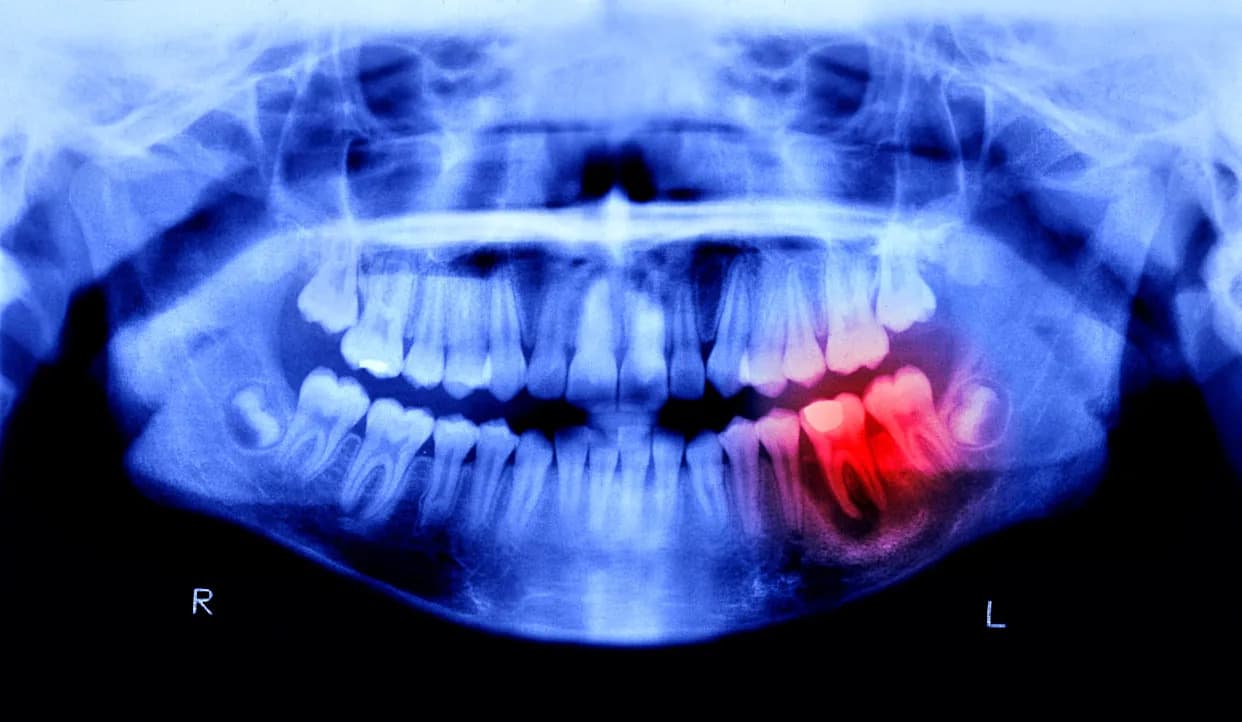
Humans May Be Able to Grow New Teeth in 4 YearsPeter Dazeley - Getty Images
Japanese researchers have advanced an experimental therapy designed to stimulate tooth regrowth and began the first human trial in September 2024. If successful, the team hopes a medicine to restore lost teeth could become available around 2030.
Why This Matters
Unlike bones, which can heal and remodel after injury, teeth do not naturally regenerate. That limitation leaves millions worldwide affected by edentulism (toothlessness), which can impair eating, speech and quality of life. A therapy that safely stimulates new tooth growth would mark a major shift in dental medicine.
How the Therapy Works
The approach targets a protein called Uterine Sensitization–Associated Gene‑1 (USAG‑1), which animal studies indicate suppresses tooth development. Researchers at Kyoto University identified a monoclonal antibody in 2021 that disrupts the interaction between USAG‑1 and bone morphogenetic proteins (BMPs), molecules involved in tooth formation. In ferrets and mice, blocking USAG‑1 promoted tooth growth; ferrets are considered a useful model because they are diphyodont and have dental patterns similar to humans.
“We want to do something to help those who are suffering from tooth loss or absence,” said Katsu Takahashi, head of dentistry at the medical research institute at Kitano Hospital in Osaka, in comments to The Mainichi in 2024. “While there has been no treatment to date providing a permanent cure, we feel that people’s expectations for tooth growth are high.”
What the Human Trial Involves
The initial clinical study enrolled 30 men aged 30–64, each missing at least one tooth. The investigational monoclonal antibody is being administered intravenously to assess safety and early signs of efficacy. Prior animal studies reported no adverse side effects, but human safety and effectiveness remain to be determined in clinical testing.
Next Steps and Timeline
If results from the adult trial are encouraging, Kitano Hospital plans to expand testing to children aged 2–7 who are missing four or more teeth, a group with congenital tooth deficiency. The research team hopes to develop a therapy that could eventually be offered to a broader population of people who have lost teeth, with an optimistic target of making a treatment widely available by about 2030.
Caveats and Context
These results are preliminary. Early-stage trials focus primarily on safety and short-term signals of benefit; larger and longer studies will be required to confirm effectiveness, duration of any new tooth growth, optimal dosing, and potential long-term risks. Timelines for drug development are often optimistic, so availability by 2030 is a goal rather than a certainty.
Bottom Line: The therapy represents a promising and scientifically grounded approach to stimulating tooth formation, but human trials will determine whether the early animal results translate into a safe, effective treatment for people.
Help us improve.