The nationwide internet blackout in Iran — affecting roughly 90 million people and lasting for months — has devastated the country’s digital economy, costing an estimated $30–40 million per day. Small businesses, freelancers and major online firms such as DigiKala have lost revenues and laid off staff, while roughly 10 million jobs depend on connectivity. Expensive or illegal workarounds, a tiered access system favoring elites, and tightly controlled domestic platforms have deepened economic pain and pushed more Iranians toward informal work or emigration.
Months-Long Internet Blackout in Iran Cripples Digital Economy, Costs Millions Daily

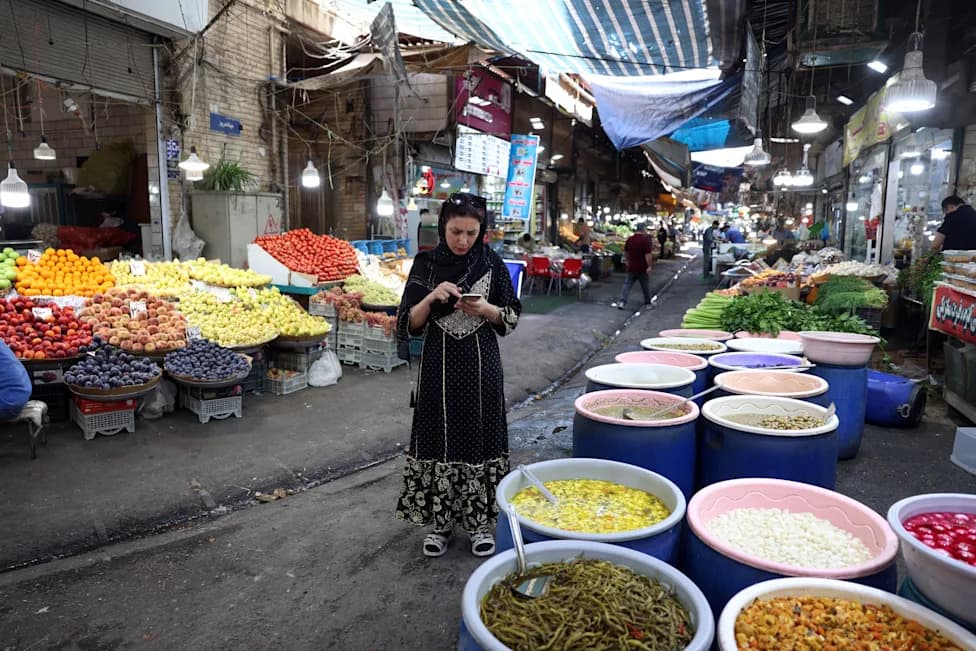
Fashion designer Amen Khademi takes a photo with her cellphone of model Farnaz Ojaghloo wearing a jacket she designed with Persian-inspired motifs at her studio in Tehran, Iran, Thursday, April 23, 2026. (AP Photo/Vahid Salemi)
At a small studio in Tehran, designer Amen Khademi was preparing a fashion shoot for a jacket with Persian motifs but found it hard to concentrate. Even as she applied lipstick to the model, her mind kept returning to one question: will her business survive four months without the internet, her primary channel to customers?
Nationwide Shutdown and Its Scale
For much of 2026, roughly 90 million Iranians have been cut off from the global internet in one of the world's most extensive national blackouts. Authorities describe the restrictions as a wartime necessity and have refused to fully restore access despite an uneasy truce with the U.S. and Israel. The partial blackout that began during January protests was followed by a full cutoff on Feb. 28 amid the escalation of conflict.
Economic Toll
Afshin Kolahi of Iran's Chamber of Commerce told a local newspaper the shutdown is costing the economy an estimated $30–40 million per day, with indirect losses likely much higher. Communications Minister Sattar Hashemi has estimated that about 10 million jobs depend on internet connectivity. Major online firms and small digital businesses alike have felt the impact: online retailer DigiKala announced layoffs of some 200 employees, roughly 3% of its workforce.
Human Stories: Small Businesses and Freelancers
Khademi's storefront was Instagram; her studio account with more than 30,000 followers is now dormant. The model in the shoot, Farnaz Ojaghloo, a fitness coach, has lost both modeling gigs and the online courses she offered to clients inside Iran and abroad. "Psychologically, it really hits hard," Ojaghloo said. "All the plans you had for six months or a year ahead get pushed aside, and your only concern becomes surviving in the moment."
"The internet outage in the past four months has completely destroyed not only my business, but many online businesses," Amen Khademi said.
Workarounds, Restrictions and a Tiered System
Before 2026, many Iranians bypassed content filters with inexpensive VPNs and similar tools. The current nationwide cutoff has pushed prices for black-market VPNs sky-high and made alternatives like the banned Starlink satellite service risky; Iranian media frequently report arrests for using illegal VPNs or Starlink. Senior officials reportedly receive "white" SIM cards that permit global internet access, and authorities have begun granting limited access to a small list of professions and media — a tiered system that critics call unfair and economically damaging.
Domestic Platforms and Digital Infrastructure
Iran operates domestic platforms modeled on WhatsApp and YouTube, but these services are tightly monitored and often censored. Many users and content creators describe the national network as slow, insecure and unreliable. The outage has accelerated income losses for influencers, gamers and remote workers who relied on global platforms for sponsorships, donations, and freelance contracts.
Broader Economic and Social Effects
The shutdown compounds existing economic distress from sanctions and domestic mismanagement, adding pressure to an already strained middle class. Reports describe rising informal street vending, business closures and layoffs across sectors; some professionals now say they're considering emigration. Former internet-provider employees and small shop owners describe abrupt income collapse and unpaid wages as the streets fill with new vendors forced into informal work.
Observers and digital-rights experts say Iran's blackout is notable not only for its length but for its scale and the deliberate reversion to a controlled national intranet in a country with a previously active digital economy. The long-term damage to jobs, exports and small businesses may persist even after full connectivity returns.
Radjy reported from Cairo.
Help us improve.