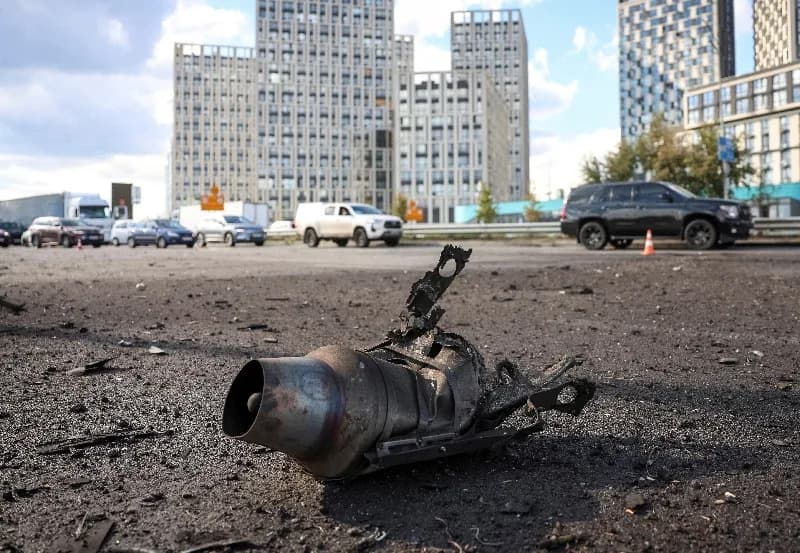
Ukraine is rapidly integrating artificial intelligence into its military strategy to gain faster decision‑making and reduce risks to soldiers. Danylo Tsvok, head of the newly formed Defense Artificial Intelligence Center, says AI already helps hold territory and could enable networked, semi‑autonomous systems within three to five years. Kyiv’s defense industry now includes over 2,000 firms developing drone swarms, unmanned ground platforms and resilient systems for electronic‑warfare environments. Ukraine is also expanding partnerships and funding — including support from the U.K. Ministry of Defence — while stressing ethical limits on full autonomy.
Ukraine Accelerates Battlefield AI: Can Networked, Semi‑Autonomous Weapons Shift the War?
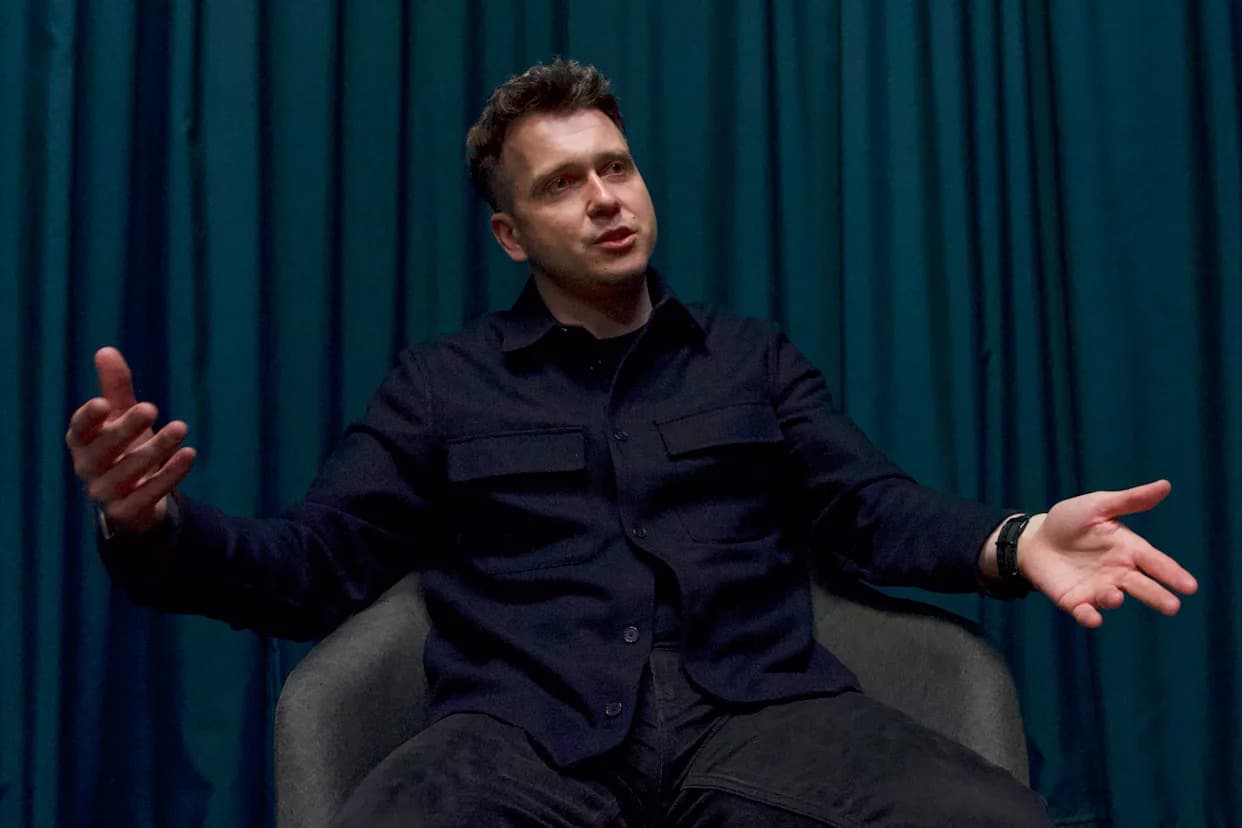
Danylo Tsvok, head of the Defense Artificial Intelligence Center of Ministry of Defence of Ukraine, speaks during an interview with The Associated Press in Kyiv, Ukraine, on April 24, 2026. (AP Photo/Vasilisa Stepanenko)
KYIV, Ukraine — Ukrainian leaders say rapid military adoption of artificial intelligence is becoming essential to the country's survival, even though full battlefield integration of AI systems may still be several years away, according to a senior defense official.
AI on the Front Lines
Danylo Tsvok, 35, who directs the newly created Defense Artificial Intelligence Center, told The Associated Press that AI is already helping Ukrainian forces hold territory and reduce risks to troops as they confront a larger, better-resourced adversary. The center was established by the Defense Ministry last month; Tsvok previously served as the government’s top civilian AI official.
“We must be faster than the enemy in decision‑making,” Tsvok said. “AI is not only a competitive advantage. It’s about our survival.”
Autonomy, Resilience and Electronic Warfare
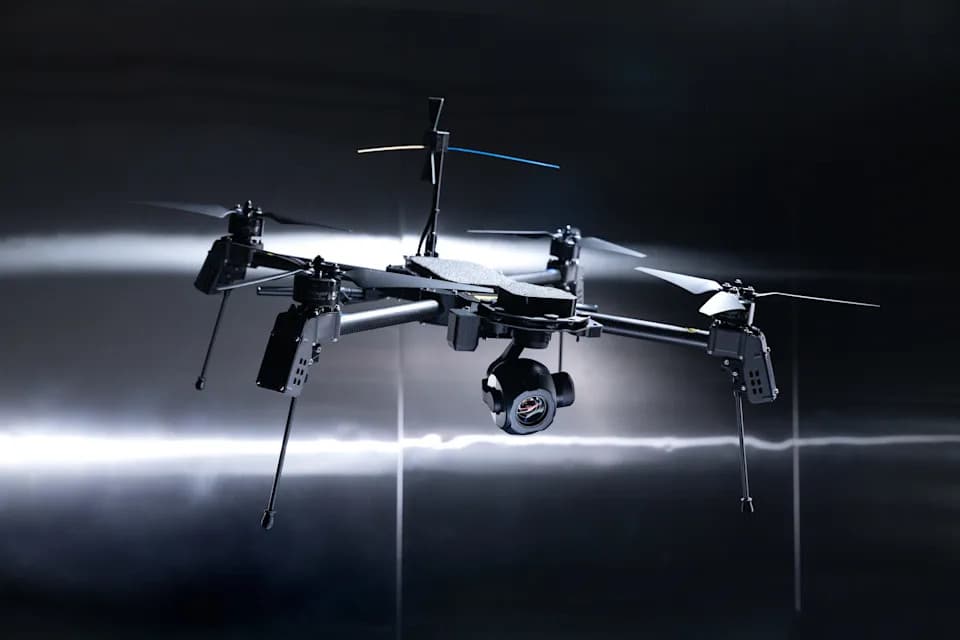
Ukraine and Russia are locked in an intensifying race to deploy increasingly automated systems — from aerial drones to ground and maritime platforms. A central battleground is the ability to maintain operations under heavy electronic warfare: many newer systems are being engineered to preserve target tracking and mission focus even when adversaries attempt hostile jamming.
Homegrown Industry and Drone Swarms
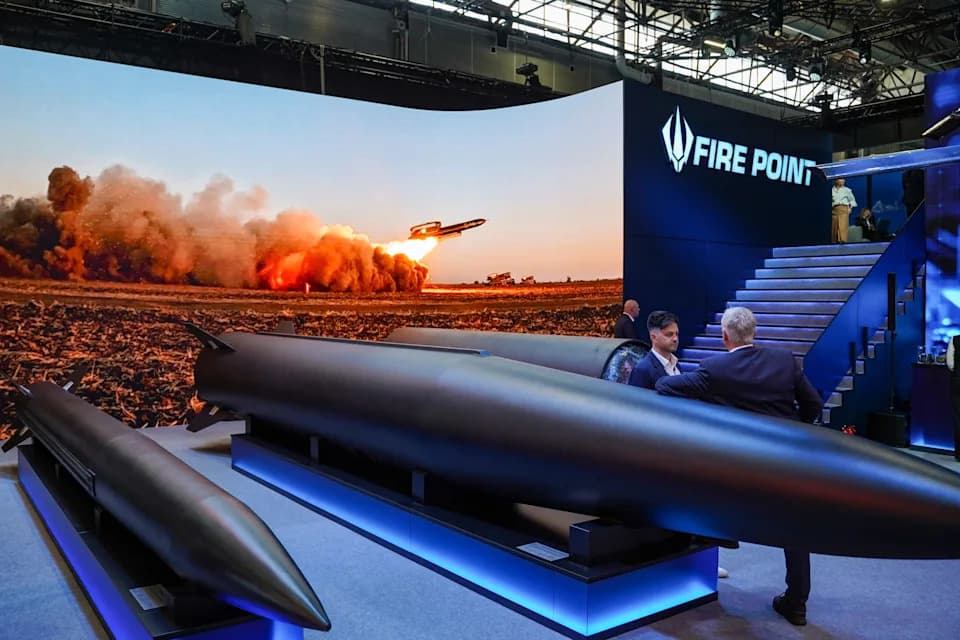
Ukraine’s domestic arms sector has expanded rapidly and now includes more than 2,000 manufacturers and military-technology firms. Developers are testing software and tactics to enable coordinated drone swarms that increase operational efficiency and reduce the workload on human operators. Unmanned ground platforms are already used for logistics, casualty evacuation and combat support.
What’s Likely Next
Tsvok said Ukraine expects wider deployment of autonomous interceptors, greater use of ground robotic systems, and an escalation in electronic warfare capabilities in the near term. In a more advanced form, he envisions a networked battlefield in which smart munitions, sensors and command systems operate in concert under a unified assessment platform — a capability he believes could emerge within three to five years.
President Volodymyr Zelenskyy recently said land drones supported more than 20,000 battlefield missions over a three‑month span this year, including medical evacuations, supply runs and direct strikes — and that some strikes were conducted without soldiers on board.
Ethics, Partnerships and Funding
Tsvok emphasized that Ukraine is not pursuing unchecked, fully autonomous "killer robots." Instead, the goal is to accelerate decision‑making, increase battlefield efficiency and improve interoperability with Western partners. Ukraine is deepening ties with Western allies and Gulf partners to secure funding, scale production and integrate battlefield data for allied development and testing. Tsvok’s office receives financial support from the U.K. Ministry of Defence — a relationship he described as politically and militarily important.
“Democracies must build strong defensive capabilities,” he said. “Without AI, they cannot effectively protect peace. This is not only about Ukraine. It’s about global security.”
— The Associated Press. Volodymyr Yurchuk and Vasilisa Stepanenko in Kyiv contributed.
Help us improve.