The UAE has announced it will leave OPEC to prioritise national interests and pursue an independent oil strategy after years of quota disputes. Abu Dhabi aims to expand capacity toward 5 mbpd by 2027 and has partly rerouted exports via Fujairah, limiting immediate market impact. If Gulf shipping fully reopens, the UAE could add around 1.6 mbpd to world supply, shifting competitive dynamics. The exit highlights growing strategic rifts in the Gulf but is unlikely to end OPEC or OPEC+ coordination.
UAE Quits OPEC: How Abu Dhabi's Exit Reshapes Gulf Politics and Global Oil Markets
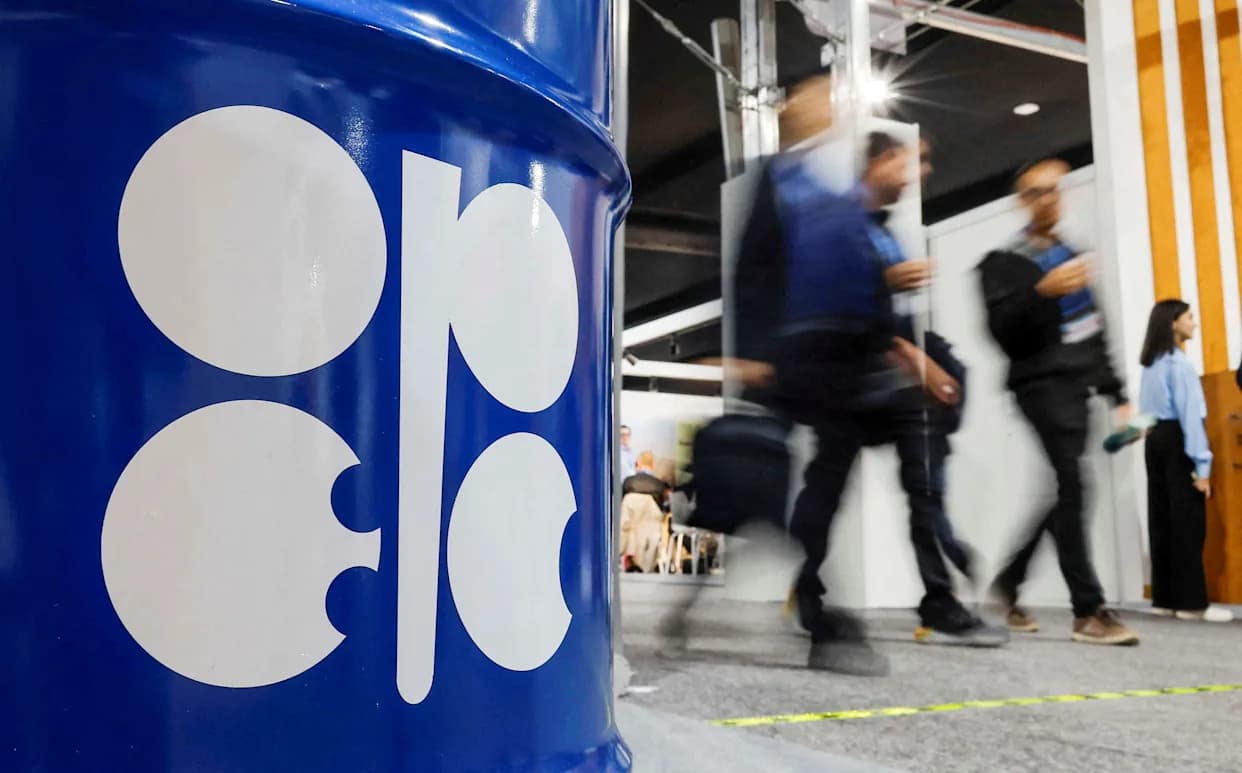
People walk past an installation depicting barrel of oil with the logo of Organization of the Petroleum Exporting Countries (OPEC) during the COP29 United Nations climate change conference in Baku, Azerbaijan, on November 19, 2024 [File: Maxim Shemetov/Reuters]
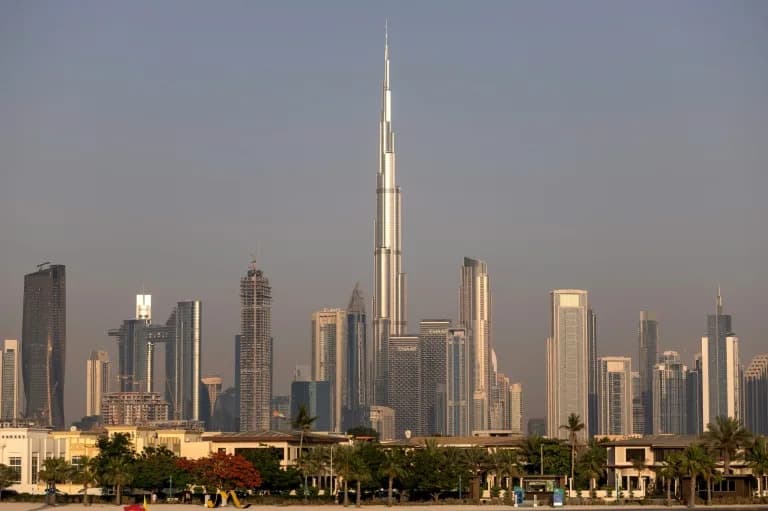
The United Arab Emirates has announced it will withdraw from the Organization of the Petroleum Exporting Countries (OPEC), saying it will prioritise national interests and pursue an independent oil strategy. The move follows years of friction within the cartel over production quotas and market discipline.
Why Abu Dhabi Left
Abu Dhabi has invested heavily to expand crude production capacity from roughly 3 million barrels per day (bpd) toward a 5 million bpd target by 2027. Under its OPEC quota it had been limited to about 3.2 mbpd, even though its physical capacity reportedly reached an estimated 4.8 mbpd before recent regional disruptions. Frustration over quota constraints and a desire for greater commercial flexibility helped trigger the departure.
Short-Term Market Impact
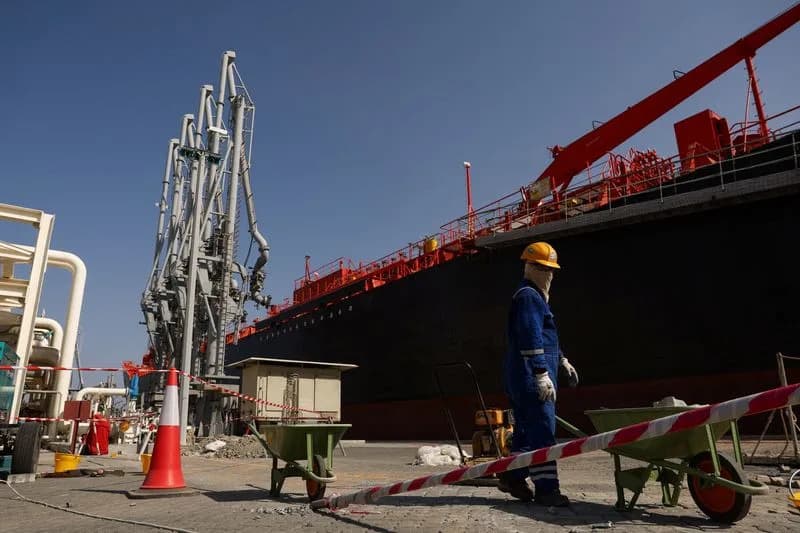
Most analysts expect limited immediate market disruption. Exports across the Gulf remain constrained by recent regional hostilities that have disrupted shipping through the Strait of Hormuz. Abu Dhabi has rerouted some shipments through the Fujairah terminal on the Gulf of Oman — about 1.7 mbpd last year — but that route cannot yet absorb its full excess capacity.
If maritime traffic through the strait returns to pre-crisis levels, the UAE could potentially add roughly 1.6 mbpd to global markets — about 1.5% of world supply — a volume that could put downward pressure on prices and shift competitive dynamics.
Strategic Calculations
Kingsmill Bond, energy strategist at Ember Future: "They are clearly preparing for the period after the war...they want to be free from the constraints of OPEC."
The UAE appears to be positioning to maximise production and sales while oil demand remains meaningful, anticipating a future of slower demand growth as energy systems decarbonise. That outlook contrasts with Saudi Arabia’s emphasis on coordinated production limits to support higher prices over the longer term.
Geopolitical Ramifications
Observers see the exit as a visible symptom of widening policy differences in the Gulf, particularly between Abu Dhabi and Riyadh. The UAE has privately advocated a firmer response to recent Iranian strikes and has pursued an increasingly independent foreign-policy course, including normalising ties with Israel in 2020.
What This Means for OPEC and OPEC+
OPEC has adapted to member changes in the past and today coordinates with a broader group of partners as OPEC+. While the cartel's influence may be somewhat reduced, most experts say OPEC+ remains the principal coordinating force among many major exporters and is unlikely to disappear as a mechanism for market management.
Outlook
Near-term market outcomes hinge on Gulf security and shipping access through the Strait of Hormuz. Over the longer term, the UAE’s exit underscores two competing strategies among producers: maximise output and market share now versus coordinated restraint to sustain prices. The decision will reshape bargaining dynamics among exporters and could accelerate competition as global energy demand evolves.
Help us improve.