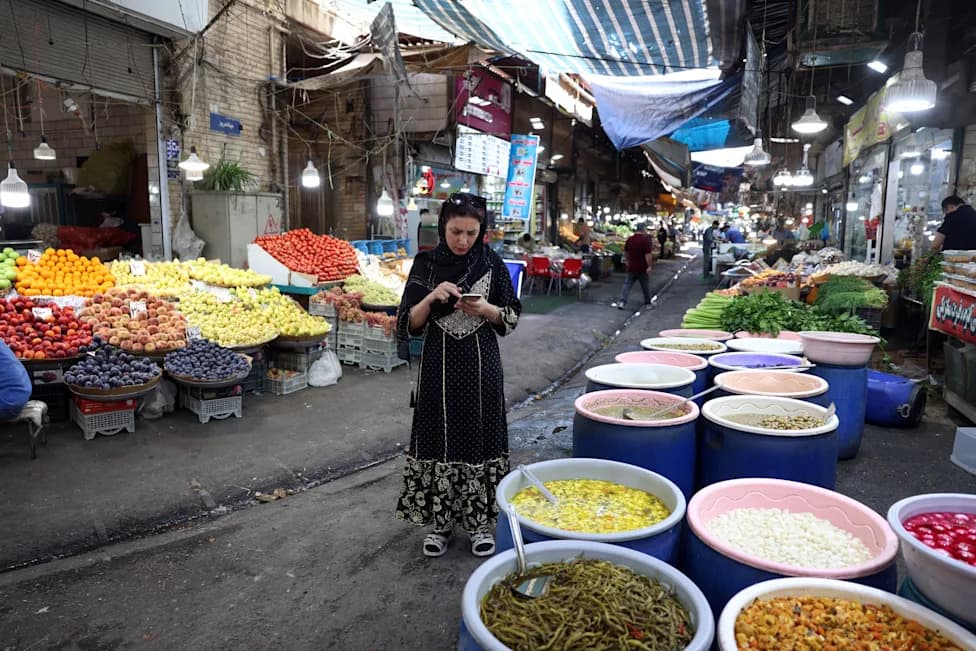
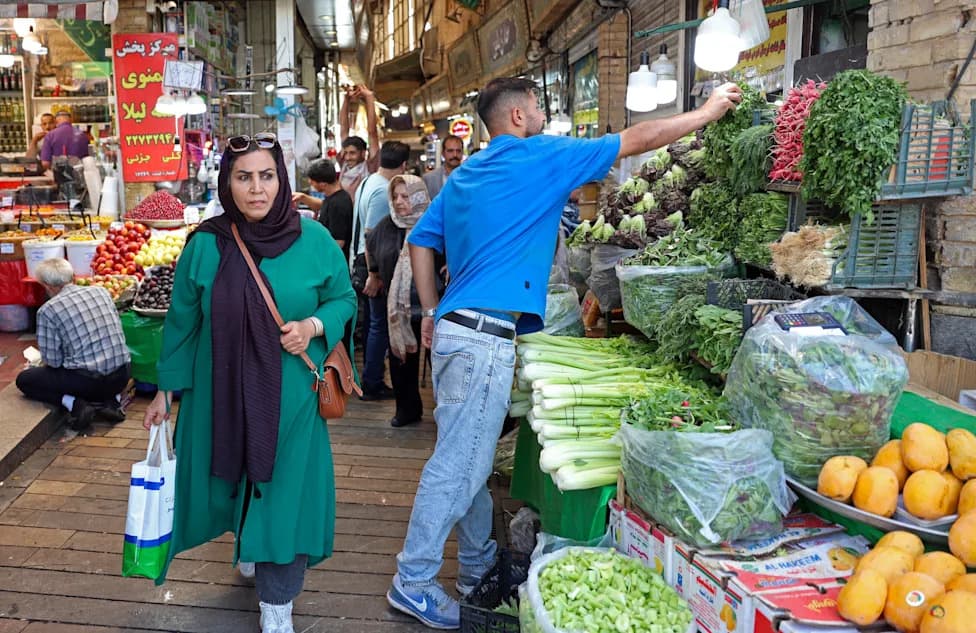
Despite the UAE's suspension of trade and financial exchanges with Iran, Dubai's traditional markets remain supplied with many Iranian goods, routed through alternative channels such as Omani ports and air links. Merchants report some shortages and price rises, but staple items like nuts, saffron and zereshk are still available. Analysts warn a prolonged rupture could damage Dubai's economy, yet deep-rooted private networks and a large Iranian community make a complete break unlikely.
Dubai's Old Markets Keep Iranian Goods Flowing Despite UAE Trade Suspension
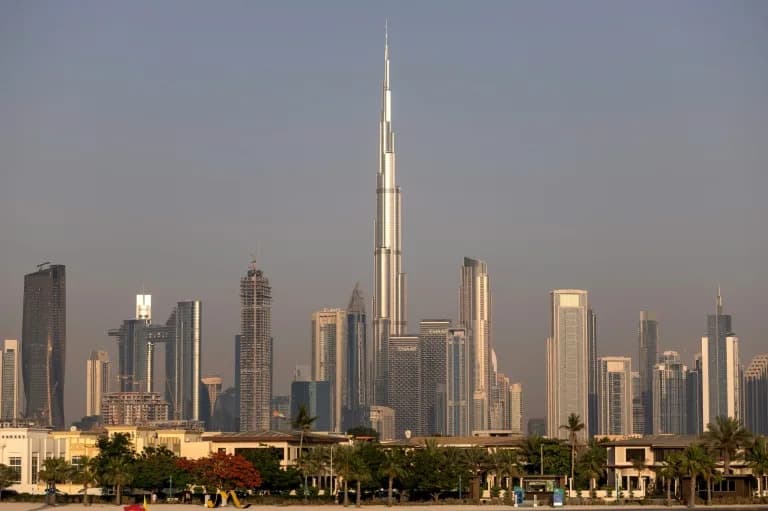
In the long run, a lasting rupture between the UAE and Iran could even weigh on Dubai's economy (FADEL SENNA)
In Dubai's historic souks, stalls remain stocked with Iranian saffron, cumin, pistachios and almonds — a reminder that long-standing commercial and community ties across the Gulf are resilient even after the United Arab Emirates announced a suspension of trade and financial exchanges with Tehran.
Goods Still Arrive
Merchants and wholesalers in old Dubai say supplies continue to reach the emirate, although some items have become scarcer and prices for certain products have risen since the latest escalation. Morteza Asaadi, who runs a grocery his father opened in 1963, says many staple items, including nuts and zereshk (small red berries used in Persian cooking), remain available.
"It's just coming. How? I don't know, but it's coming," Asaadi said, gesturing at the steady flow of goods.
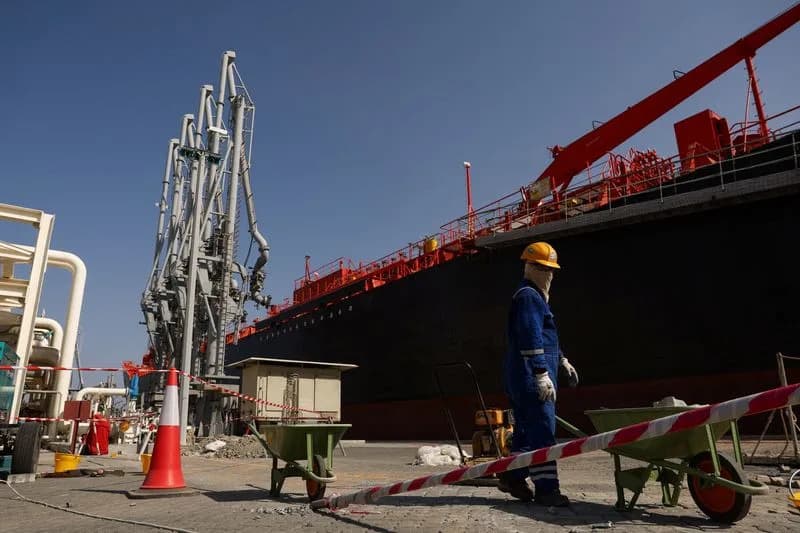
Two wholesalers who spoke on condition of anonymity told reporters they still source products from Iran, often routing shipments through Omani ports. In some cases prized items such as saffron are flown in from Mashhad after air links were briefly interrupted and then restored.
Economic Links and Sanctions
Dubai and the wider UAE have long been central to Iran's trade and finance. According to World Trade Organization data for 2024, the UAE handled more than 30% of Iran's imports (about $21 billion) and absorbed nearly 12% of Iran's exports (over $7 billion). The city also functions as an important financial hub for Iranian businesses, and Washington has accused some Dubai networks of facilitating sanctions evasion.
As part of renewed pressure on Tehran, the United States introduced additional measures in late August targeting Iran's trading partners and sanctioned the director of the Dubai branch of Iran's Bank Melli. Bank Melli branches in Dubai, however, continue to serve customers; staff note the institution has operated under sanctions for years.
Politics, Private Trade And The Local Community
Analysts say Abu Dhabi's suspension of formal ties is partly aimed at applying political pressure on Tehran and demonstrating alignment with the United States. But observers including Mehran Haghirian of the Bourse & Bazaar Foundation warn that informal private trade — deeply rooted in family, community and commercial networks — is harder to sever quickly.
"You cannot easily cut a long-standing commercial web overnight without economic consequences," Haghirian said, adding that a prolonged rupture could hurt Dubai's economy. Still, some Emirati officials argue Iran's economic importance to the emirate has declined in recent years and prioritize national security during wartime.
For many merchants in Bur Dubai, the business and social ties that span the Gulf seem likely to endure. "You see the water there?" Asaadi said, pointing to the Gulf between the UAE and southern Iran. "Water can break a mountain."
Reporting details reflect merchant interviews, WTO trade figures for 2024 and public statements by analysts and officials. AFP reporting contributed to the original material.
Help us improve.