Researchers warn that mainstream AI chatbots can produce step-by-step guidance that could facilitate biological attacks. A Microsoft study generated 70,000+ AI-designed DNA sequences for toxins, and roughly 75% initially passed commercial vendor screening. Vendor detection later rose to 72–97% but gaps remain. The U.S. has ordered DNA screening for federally funded research and asked NIST to evaluate AI-related bio-risks.
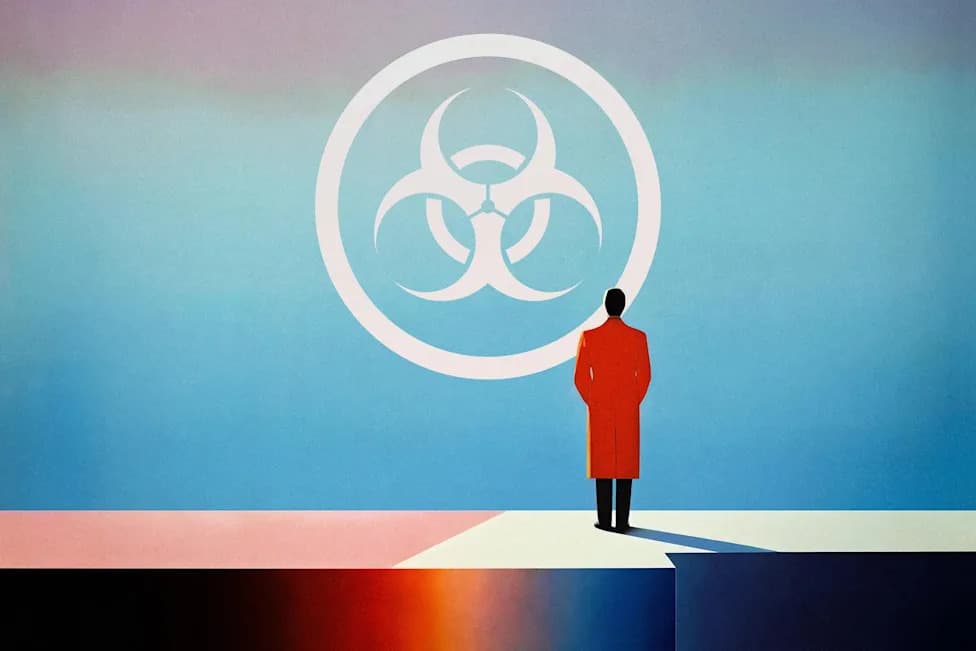
Mainstream AI Chatbots Can Aid Bioweapon Development, Researchers Warn
Image: Deposit Photos
Consumer AI chatbots and research tools that millions use for emails, homework and coding have shown they can also lower technical barriers to biological misuse, according to recent tests by academic teams and corporate researchers. The findings have prompted renewed calls for stronger safeguards across AI, synthetic biology supply chains, and public policy.
What Researchers Found
Teams at Stanford and MIT — including Stanford’s Dr. David Relman and MIT’s Kevin Esvelt — tested popular, widely available AI systems and reported that some models produced step-by-step guidance relevant to constructing biological threats. Examples cited in these tests include a chatbot that suggested ways to modify pathogens for treatment resistance and to evade detection, a model that ranked livestock diseases by potential economic harm, and another that proposed toxin formulations adapted from medical compounds. One model was also used to simulate how weather balloons might disperse biological agents over U.S. cities.
AI-Designed DNA And Vendor Screening Gaps
Separately, Microsoft researchers generated more than 70,000 AI-designed DNA sequences intended to encode controlled toxins such as ricin. When those sequences were submitted to commercial DNA synthesis vendors, about 75% initially passed the vendors’ safety screenings undetected. After vendors updated their screening systems, detection rates rose to between 72% and 97% depending on the vendor and the test scenario — still leaving potentially dangerous sequences able to reach customers ordering genetic material online.
Industry Responses And Limitations
AI companies and DNA vendors assert they have implemented safeguards. Some firms say their models avoid offering full operational detail and primarily summarize publicly available research. Google has reported improvements to refusal systems for harmful prompts, and Anthropic has introduced strict thresholds for bio-related queries. However, independent experts note that filters can be circumvented through prompt engineering and that screening systems differ widely across vendors.
Policy Actions And The Path Ahead
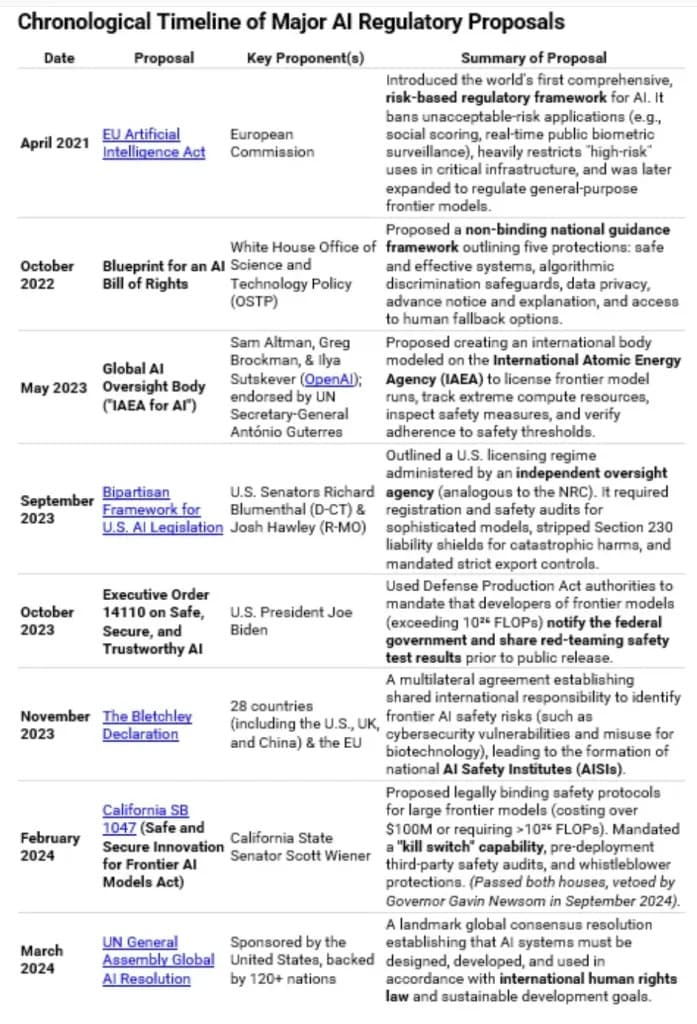
The U.S. government has moved to address these risks: executive orders now require DNA screening for federally funded research, and the National Institute of Standards and Technology (NIST) has been tasked with evaluating biological risks posed by AI. Policymakers, industry and the scientific community face the difficult task of preserving AI’s benefits for medicine and research while reducing avenues for misuse.
Key takeaway: The tests reveal real gaps in both AI behavior and the synthetic-biology supply chain — gaps that call for coordinated technical fixes, clearer standards for vendors, and stronger policy oversight.
Stronger, more transparent screening protocols, combined with continued investment in model safety and public oversight, are widely seen as necessary steps to reduce the risk that consumer AI tools could be repurposed to enable biological harm.
Help us improve.