Scientists warn the tropical Pacific may be moving toward a strong El Niño in the next 12–18 months, a shift that could temporarily raise global temperatures and help push the planet past the 1.5°C threshold. A Nature Communications study finds that intense 'super El Niño' events (sea surface temperature anomalies >2 standard deviations) can trigger long-lasting climate regime shifts affecting oceans, rainfall, soil moisture and food security. These persistent changes amplify risks to coral reefs, fisheries and agriculture and heighten the need for anticipatory, transformational adaptation and much greater financing.
How the Next El Niño Could Lock In a Hotter Climate — And Why It Matters
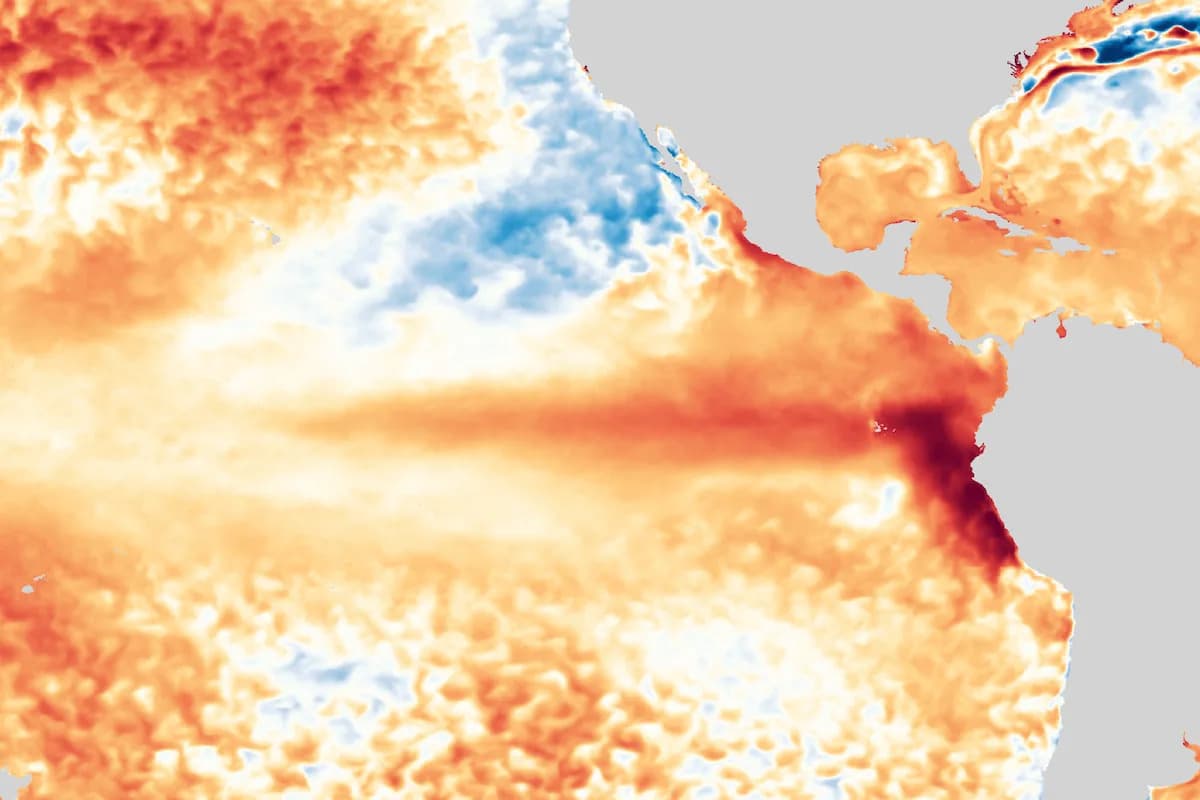
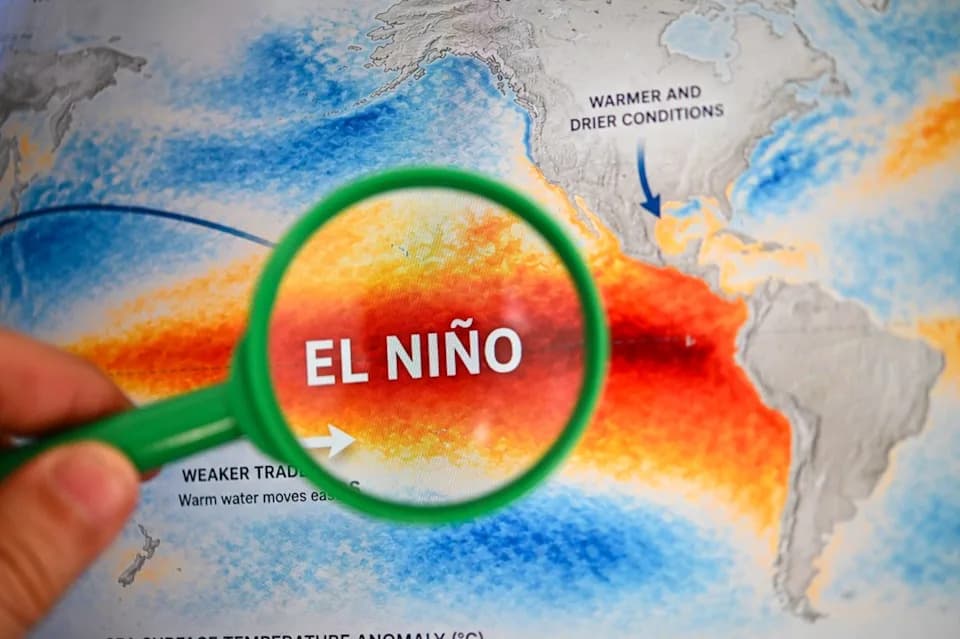
Unusually warm waters pooled in the eastern Pacific at the onset of the last El Niño in 2023. NOAA
The tropical Pacific appears to be trending toward a strong El Niño over the next 12–18 months — a development that could temporarily boost global temperatures and, according to researchers, help push the world into a new, warmer baseline for years or decades.
Why Scientists Are Concerned
El Niño releases vast stores of ocean heat into the atmosphere. When warm water from the Western Pacific Warm Pool shifts eastward, it alters global wind patterns, raises global temperatures, stresses marine ecosystems, and reshapes rainfall and drought patterns on land.
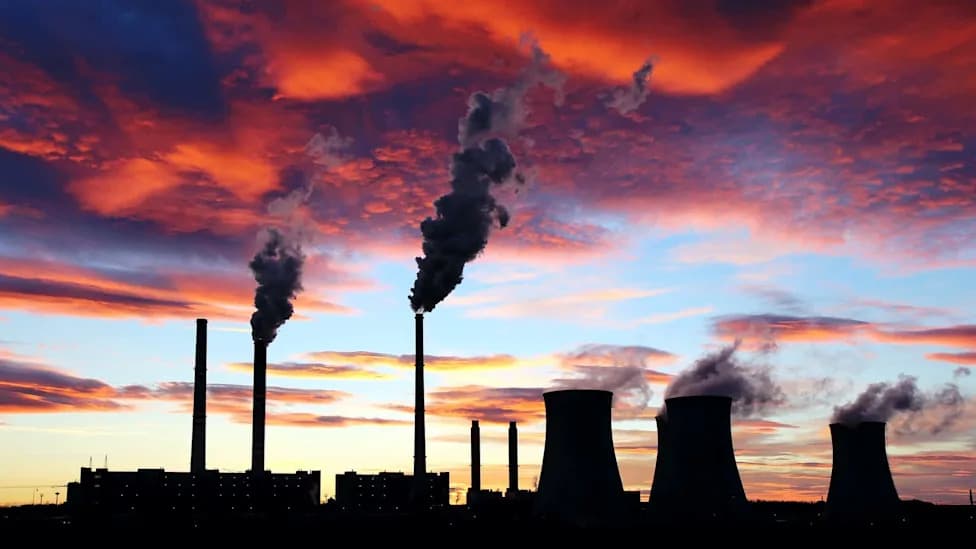
In a world already warmed by greenhouse gases, a strong El Niño could make the planet's annual average temperature cross critical thresholds. Climate scientist James Hansen has warned that even a moderately strong event could drive average temperatures to about 1.7 degrees Celsius above preindustrial levels and that the world may not cool back below 1.5°C once that threshold is passed.
What Researchers Mean By a 'Super El Niño'
Recent work published in Nature Communications describes so-called 'super El Niños' as events in which tropical Pacific sea surface temperature anomalies exceed two standard deviations above normal. These rare but powerful events — recorded in 1982–83, 1997–98 and 2015–16 — have been linked to persistent changes in ocean and land systems.
'Super El Niño may not just cause a one-time extreme event. It can shift the background climate conditions that people and ecosystems rely on.' — Jong-Seong Kug, coauthor, Seoul National University
Observed And Potential Impacts
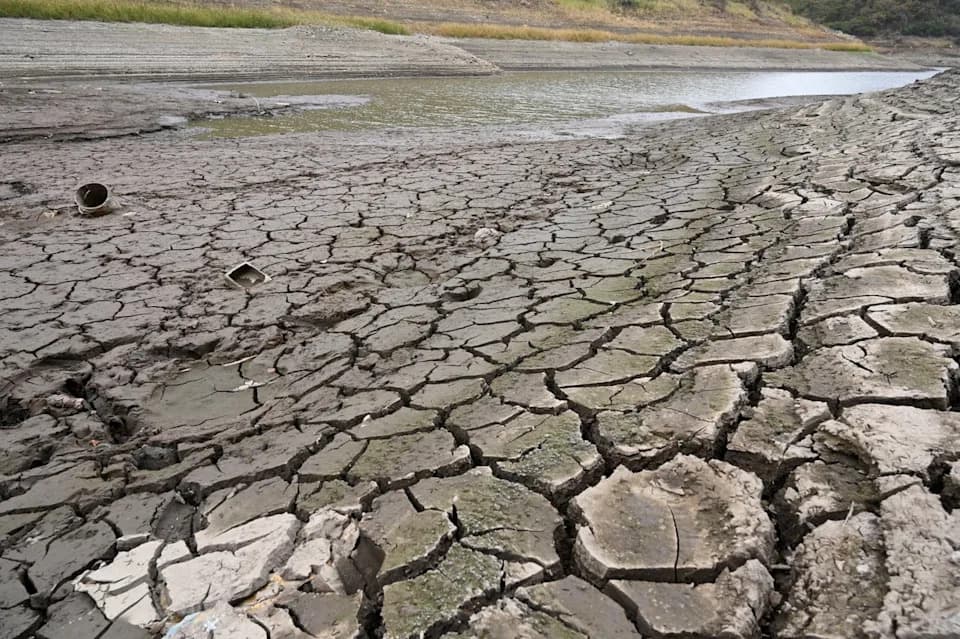
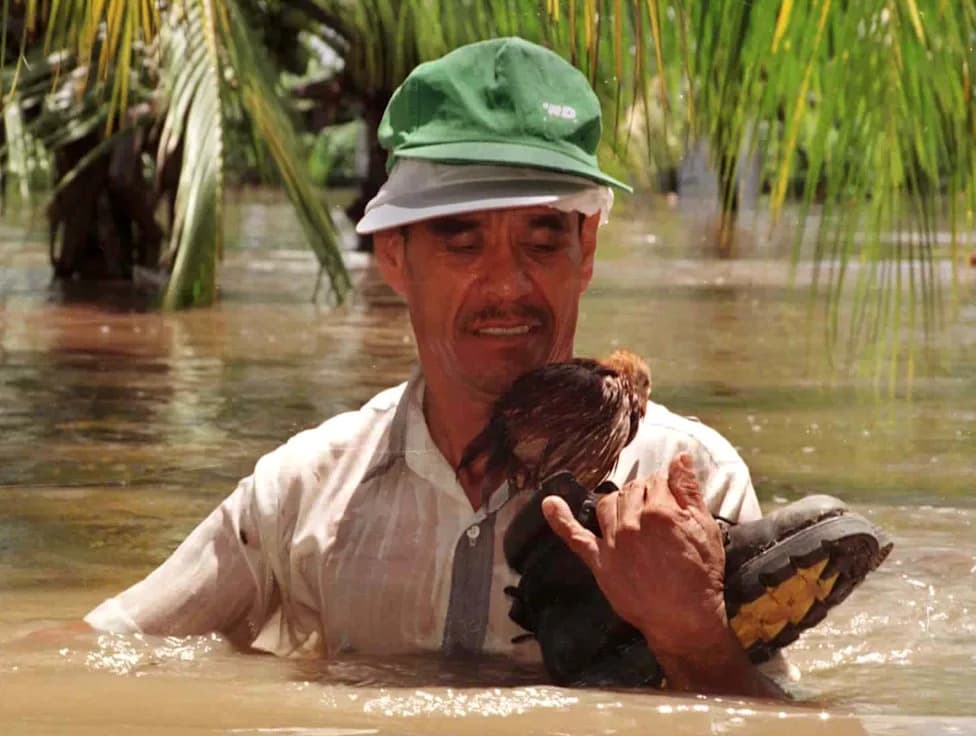
Historical super El Niños contributed to marine heatwaves that devastated coral reefs, led to mass die-offs across marine food webs, and triggered years of altered rainfall and drought on land. According to the study, impacts can persist long after the tropical Pacific cools, effectively creating climate 'regime shifts' in which regional temperature and precipitation patterns settle into a new state.
Key hotspots identified by the researchers include the central North Pacific, the southeastern Indian Ocean, the southwestern Pacific, the Gulf of Mexico, East Africa and the Maritime Continent. Strong signals were also detected in soil moisture for central southern Asia, central Australia, the Amazon and parts of Greenland — with consequences for agriculture, water security and food systems if dry or wet anomalies persist for multiple seasons.
Policy And Adaptation Challenges
Risk of longer-term shifts raises pressing questions about preparedness. The U.N. Environment Programme's 2025 Adaptation Gap Report found that international public adaptation finance fell slightly to $26 billion in 2023, while developing countries will need roughly $310–$365 billion per year by 2035 to build resilient water systems, cities, agriculture and infrastructure.
Experts argue adaptation must be anticipatory and transformational — not just reactive — redesigning systems to function under a different, less stable climate baseline.
What To Watch Next
Scientists are closely monitoring ocean and atmospheric indicators for signs that the tropical Pacific will indeed tip into a strong El Niño. If that happens in the coming year, the combination of natural variability and human-driven warming could lock in warmer conditions with persistent impacts for ecosystems and societies.
Reporting based on research published in Nature Communications and interviews and analysis by climate scientists. Original reporting by Bob Berwyn for Inside Climate News.
Help us improve.