The Trump administration has halted two permitted U.S. offshore wind projects and agreed to reimburse developers if funds are reinvested in oil, gas, or LNG infrastructure. The Interior Department framed the deals as measures to boost energy security and affordability, while critics say the administration is buying out renewable leases to avoid court losses. Agreements include up to $765 million from Global Infrastructure Partners for an LNG facility and potential recovery of $120 million for Golden State Wind if reinvested in fossil fuel projects. Congressional Democrats have demanded legal justification and transparency.
Trump Administration Blocks Two Permitted U.S. Offshore Wind Projects and Redirects Funds Toward Oil & Gas
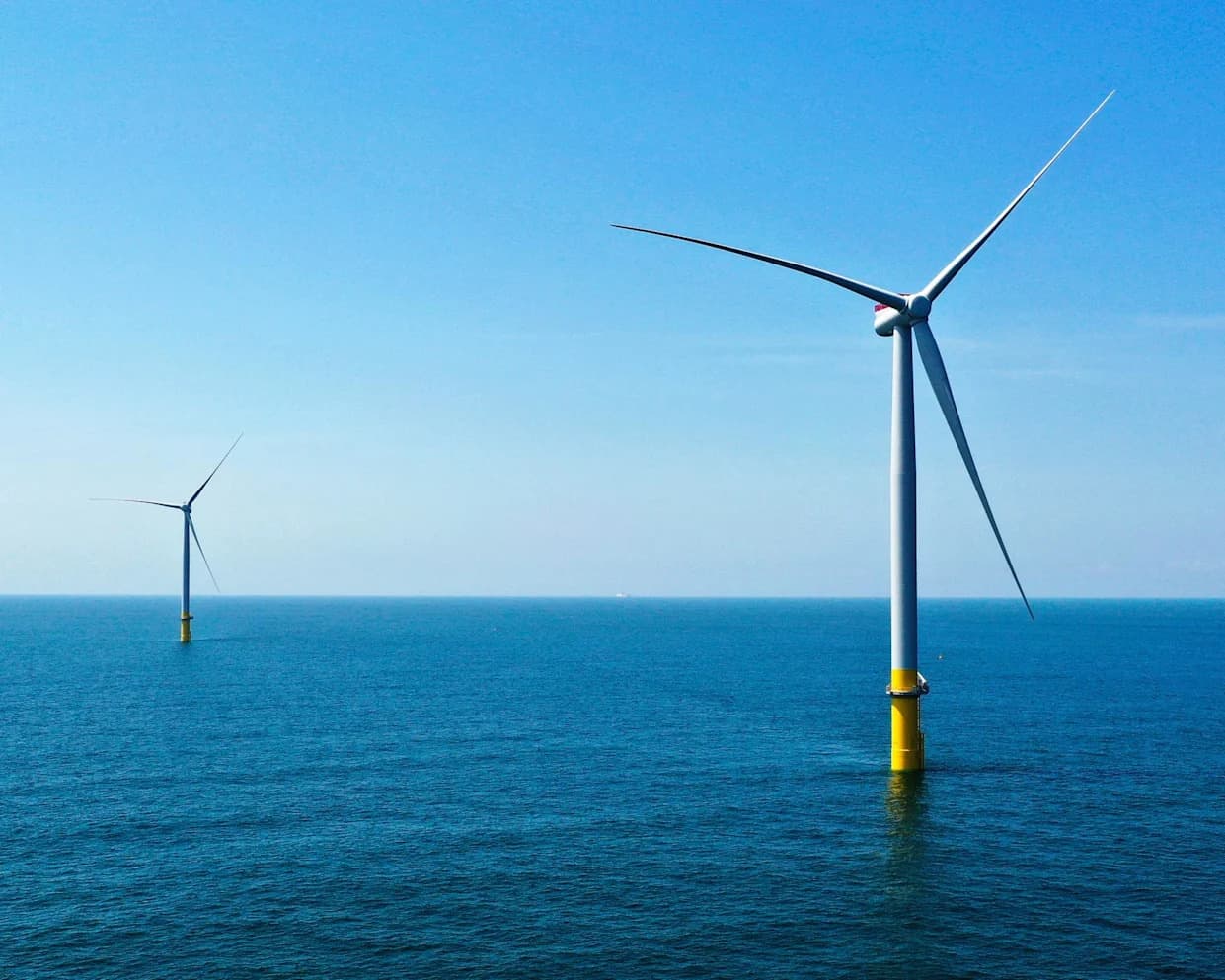
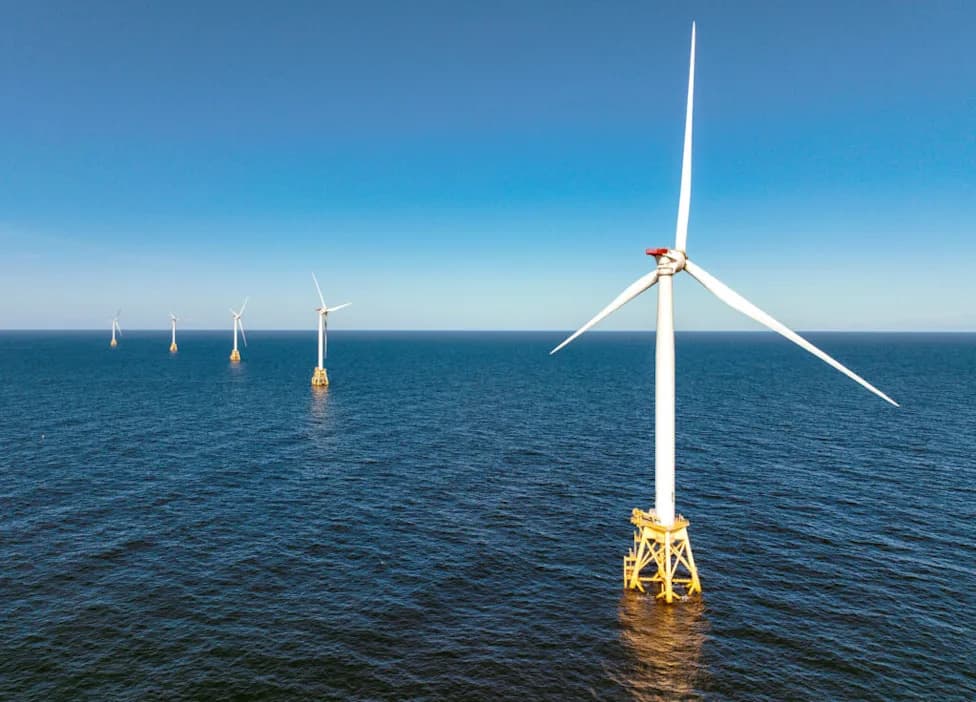
Wind turbines off the coast of Virginia Beach, Virginia, on 29 June 2020.Photograph: Steve Helber/AP(Photograph: Steve Helber/AP)
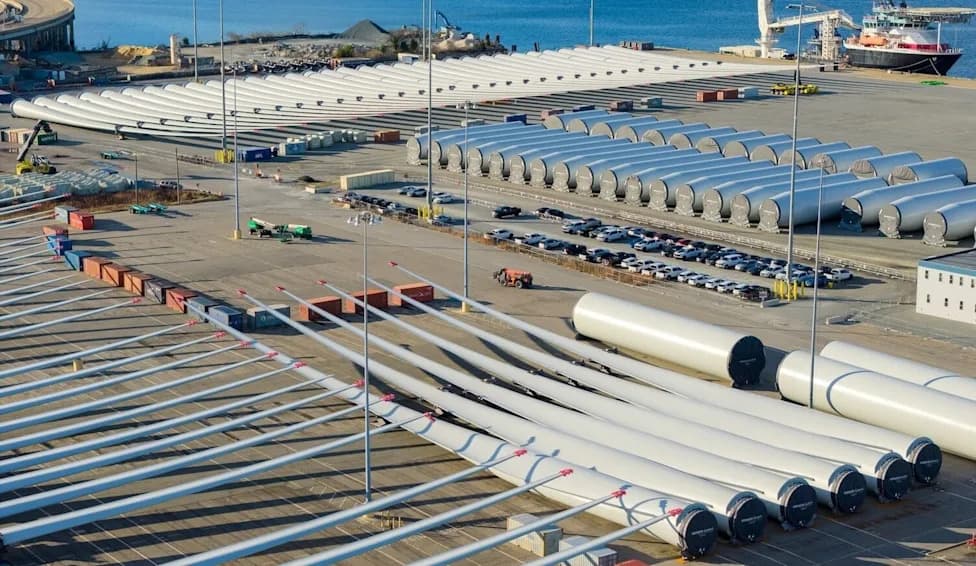
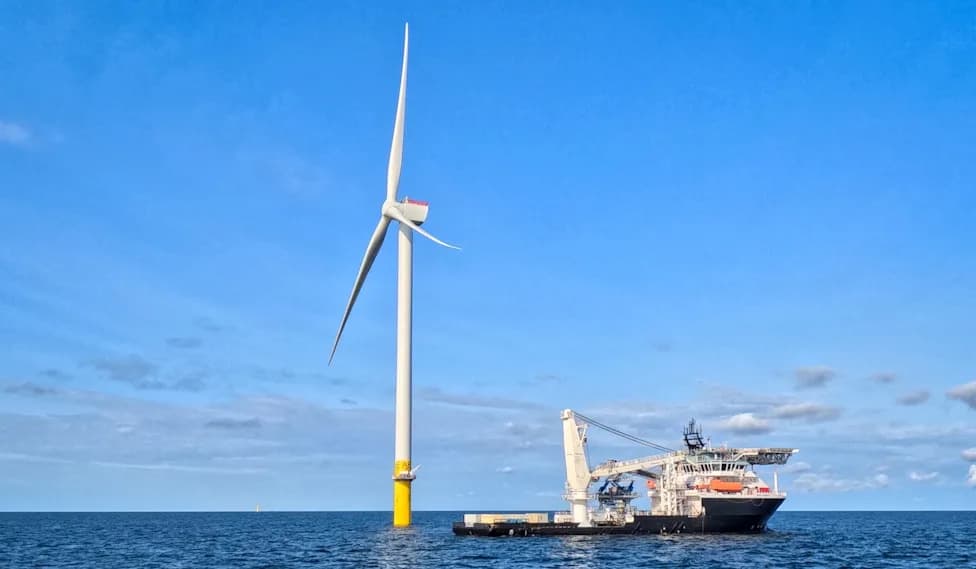
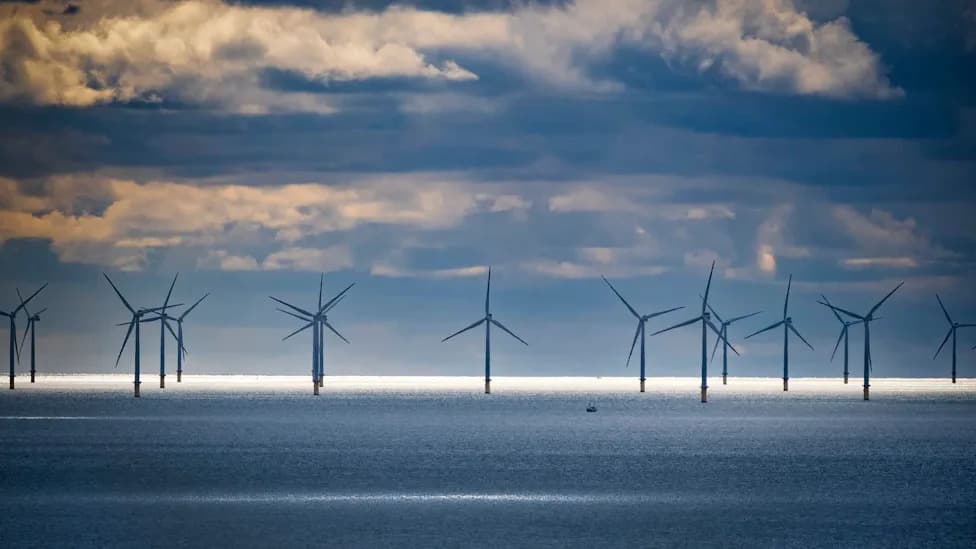
The Trump administration this week halted development of two legally permitted U.S. offshore wind projects and reached deals to refund developers on the condition that the money be reinvested in oil, gas or liquefied natural gas (LNG) infrastructure.
What the Agreements Say
Officials at the U.S. Department of the Interior said the moves are intended to “promote U.S. energy security and affordability” by shifting investment “away from intermittent, higher-cost energy sources toward proven conventional solutions.” Under the latest arrangements:
- Global Infrastructure Partners — an American infrastructure fund affiliated with BlackRock — committed to invest up to $765 million in a U.S.-based LNG facility as part of its agreement.
- Golden State Wind could recover up to $120 million in lease fees if an equivalent amount is reinvested in Gulf Coast oil, gas, or LNG projects. The announcement said neither firm will pursue new U.S. offshore wind projects.
Context, Capacity and Claimed Rationale
Interior Secretary Doug Burgum and administration officials cited rising fuel costs after recent tensions in the Middle East and growing electricity demand (including from AI data centers) as reasons for prioritizing conventional fuels. The administration also said the agreements addressed national security concerns, but it provided no detailed explanation of those claims.
Legal And Political Pushback
“Unable to defend its offshore wind actions in court, the administration is using taxpayer dollars to buy foreign companies out of legally executed offshore wind leases,” said Sam Salustro, senior vice-president of pro-offshore-wind group Oceanic Network.
The buyouts follow a separate $1 billion agreement announced last month with a French energy company and appear to reflect a strategy of negotiating settlements rather than risking protracted litigation. Earlier this year, a federal judge ruled against the president and allowed five east-coast wind farms to proceed after the White House attempted to block them.
Scale And Impact
The projects involved were sizable: the California development was projected to deliver up to 2 gigawatts (roughly enough for about 1.1 million homes), while the Atlantic project off New Jersey and New York was estimated at 2.4 gigawatts. Congressional Democrats — including Representatives Jared Huffman and Jamie Raskin — have demanded explanations, calling the deals “closed-door” and potentially unlawful.
Political Tone And History
President Trump has long expressed opposition to wind power, calling it “worthless” at a March meeting with tech executives and once fighting turbines near his Scottish golf course in 2012. Industry executives framed their decisions to accept buyouts as pragmatic capital allocation, while critics warn that buying out renewable projects could slow clean-energy deployment and increase reliance on fossil fuels.
The Department of the Interior did not provide further detail on the national security rationale, and questions remain about the long-term consequences of redirecting permitted renewable investments into fossil fuel infrastructure.
Help us improve.