High Court to hear a major environmental claim involving more than 4,500 people who allege that chicken manure spreading and sewage spills have increased nutrient pollution and triggered algal blooms in the Wye, Lugg and Usk. Leigh Day argues that poultry firms should be held accountable for downstream impacts; Avara Foods and Welsh Water deny the allegations and point to other factors and recent investments to reduce nutrients. The first procedural hearing will be held in London as claimants seek river restoration and compensation.
Landmark High Court Case Over Pollution of the Wye, Lugg and Usk Begins — 4,500+ Claimants Sue Poultry Firm and Water Company
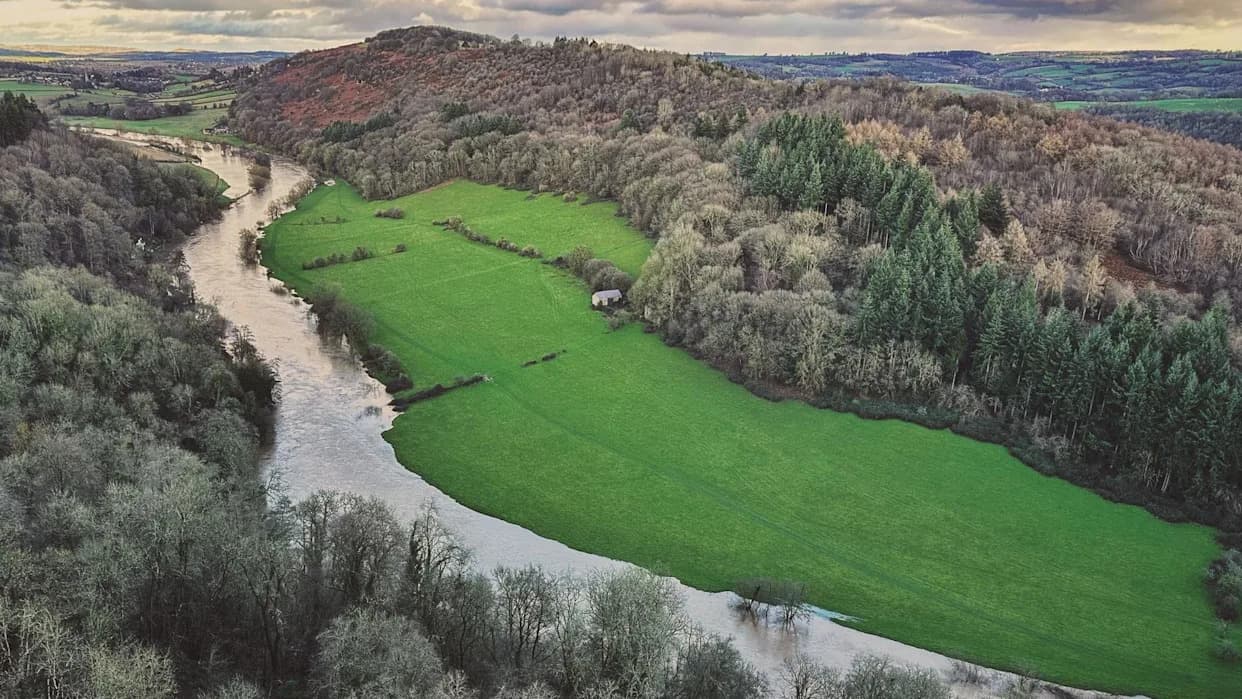
Natural England has described the condition of the River Wye as "declining" [Getty Images]
More than 4,500 people who live or work along the Welsh–English border will be represented at a High Court hearing on Monday in what lawyers describe as the largest environmental pollution claim ever brought in the UK by number of claimants and geographic reach.
The legal action names Avara Foods — one of the region's biggest poultry producers — and Welsh Water. Claimants say that decades of intensive poultry production, the spreading of chicken manure on arable fields, and repeated sewage spills have increased nutrient loads in the rivers Wye, Lugg and Usk, driving regular algal blooms and harming local livelihoods and wildlife.
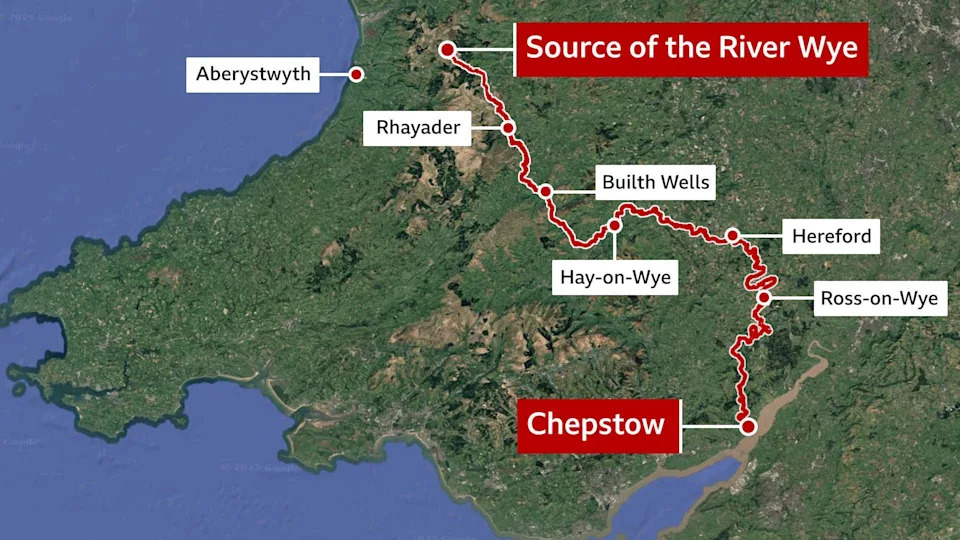
The River Wye is one the UK's longest rivers and its catchment area is home to a large number of industrial chicken farms. [BBC]
What the Claim Alleges
Leigh Day, acting on a no-win, no-fee basis, says the farms that apply chicken manure as fertiliser have repeatedly allowed phosphorus, nitrogen and bacteria to run off into waterways. In warm weather those nutrients fuel algal blooms that can turn water bright green, produce unpleasant smells and reduce oxygen levels for fish.
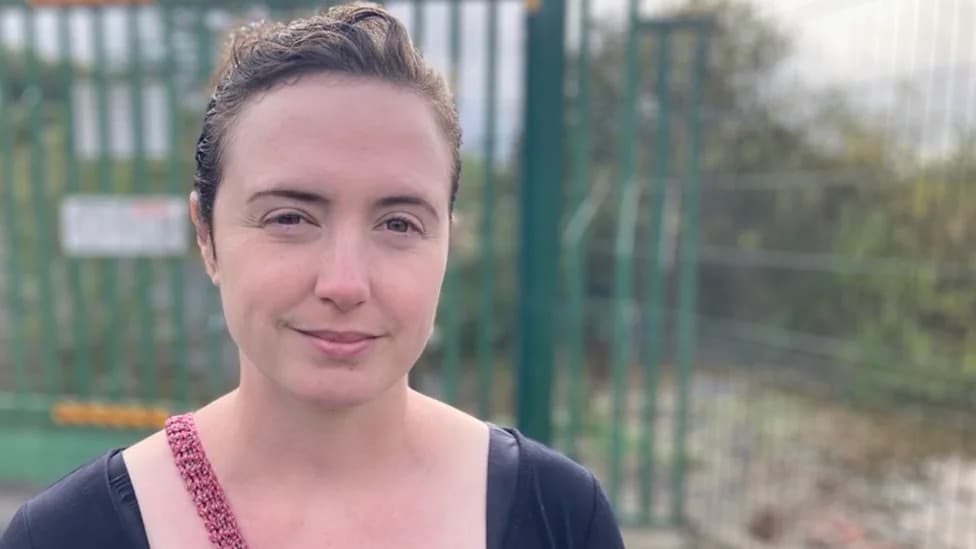
"That just isn't what this river should look like and feel like and smell like," said lead claimant Justine Evans, a wildlife filmmaker, speaking beside the Wye. "There's been systemic failure going on... the only course of action is to take legal action and make polluters pay."
Scale And Local Impact
Campaigners point out that roughly 24 million chickens are reared within the Wye catchment — about a quarter of the UK's total flock — mostly in large intensive units. The claim seeks court-ordered measures to restore river health and compensation for residents, businesses and landowners affected by the pollution and by changes to riverbeds.
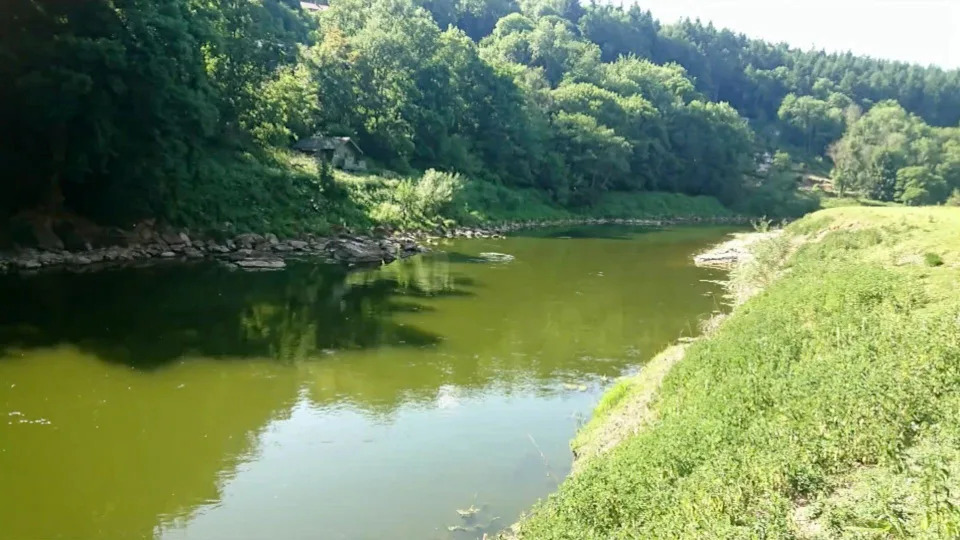
A combination of high nutrient levels and warm weather can cause rivers to turn green. This is known as "algal blooming" [BBC]
Gillie Nathan Jubb, who manages salmon fishing along the Wye, told reporters algal blooms have made salmon harder to find and have driven anglers away, damaging local tourism and livelihoods. Atlantic salmon runs on the Wye are reported to be in a critical condition, with only a few thousand fish now returning each year.
Official Assessments, Defendants' Response And Planned Investment
Natural England rated the River Wye "unfavourable - declining" in 2023. The 2024 River Wye Action Plan cited excessive nutrients from farming, wastewater discharges and climate change (warmer, drier summers and lower flows) as key pressures raising water temperature and reducing river resilience.
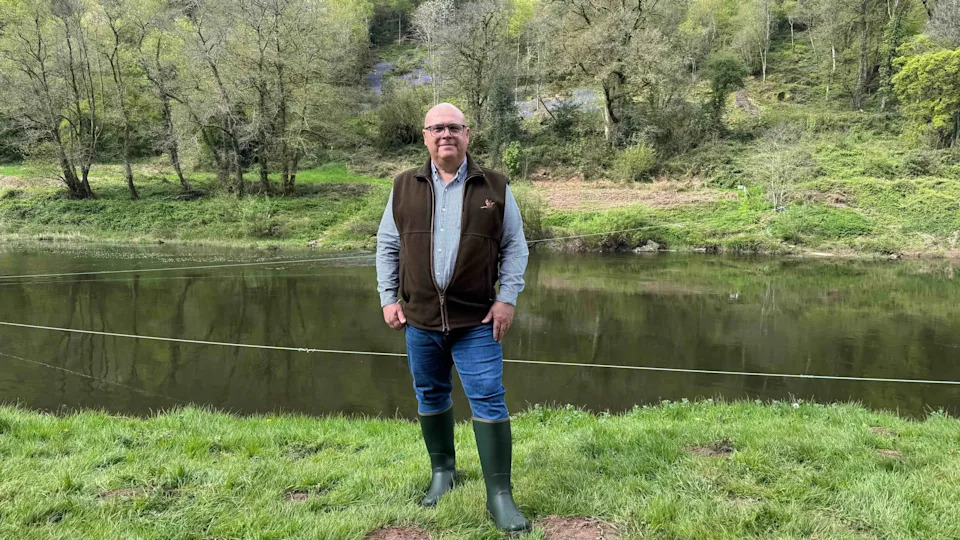
Nathan Jubb says there are still salmon in the River Wye but that algal blooming has made it much harder to catch them. [Nicola Goodwin/BBC News]
Avara Foods described the claims as "misconceived," saying it is "confident in our position" and arguing that river health is influenced by multiple factors; the company notes that phosphorus levels have fallen since the early 1990s. Welsh Water called the case "misguided" and pointed to substantial recent investment — £76m from 2020–25 to reduce nutrients on the Wye, Lugg and Usk, with a further £87m planned from 2025–30.
Legal Issues Raised
The defendants face allegations including negligence, private and public nuisance, and, in some instances, trespass where claimants say riverbed changes have affected private property. Leigh Day argues poultry companies that expanded production knew the likely environmental consequences and should therefore bear legal responsibility for impacts arising from their supply chains.
"The poultry companies that are being sued in this claim knew what the outcome of their operations were going to be when they expanded the poultry production in this area," said Celine O'Donovan of Leigh Day. "Responsibility for the decline of these rivers needs to lie with the people that knew what was going to happen and have made the money from it."
The case's first procedural hearing will be held at the High Court in London. If successful, the claim could lead to large-scale remedial action, regulatory scrutiny, and compensation payments for thousands of residents and businesses across the catchment.
Additional reporting: Tom Ingham and Gwyndaf Hughes.
Help us improve.