Vivek Ramaswamy is treating Ohio’s May 5 GOP primary like a general-election campaign, leveraging national profile, a Trump endorsement and roughly $50 million in contributions. His insurgent primary rival, Casey Putsch, has drawn some conservative frustration despite raising about $123,000. Critics cite controversial policy proposals and rising ethnic attacks against Ramaswamy; party leaders warn that complacency and depressed conservative turnout could hand Democrats the governorship.
Ohio GOP Primary Puts Vivek Ramaswamy’s Strength — and Vulnerabilities — on Display
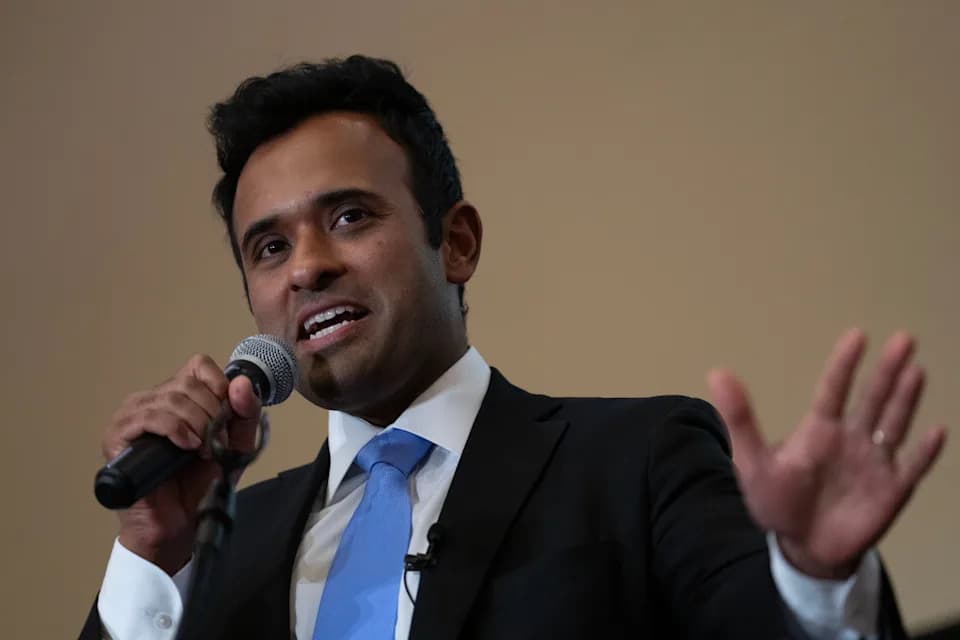
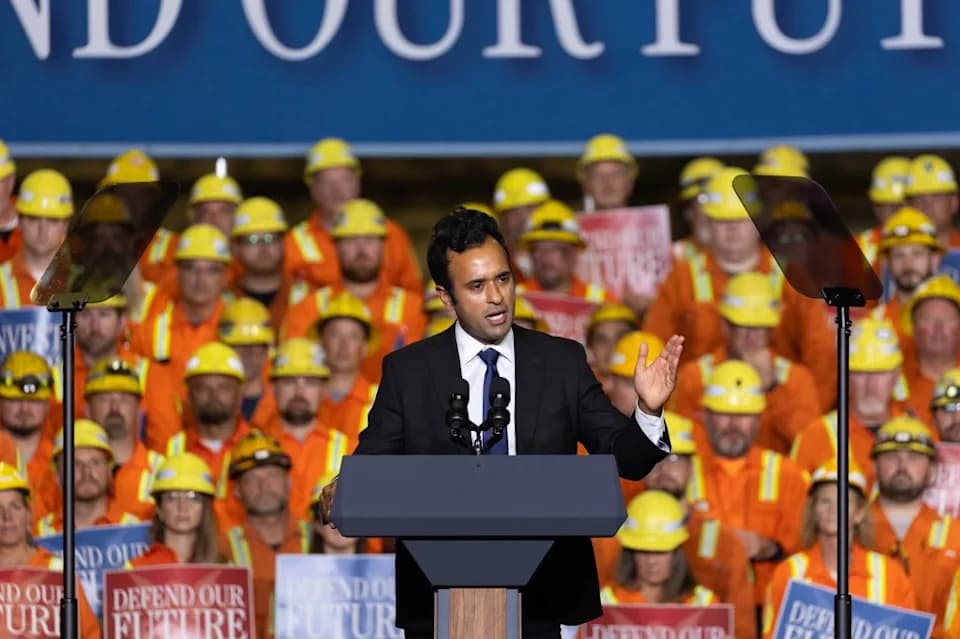
Republican Ohio gubernatorial candidate Vivek Ramaswamy speaks during the Warren County Republicans Lincoln Day Dinner at the Great Wolf Lodge in Mason, Ohio, Friday, April 10, 2026. (AP Photo/Carolyn Kaster)(ASSOCIATED PRESS)
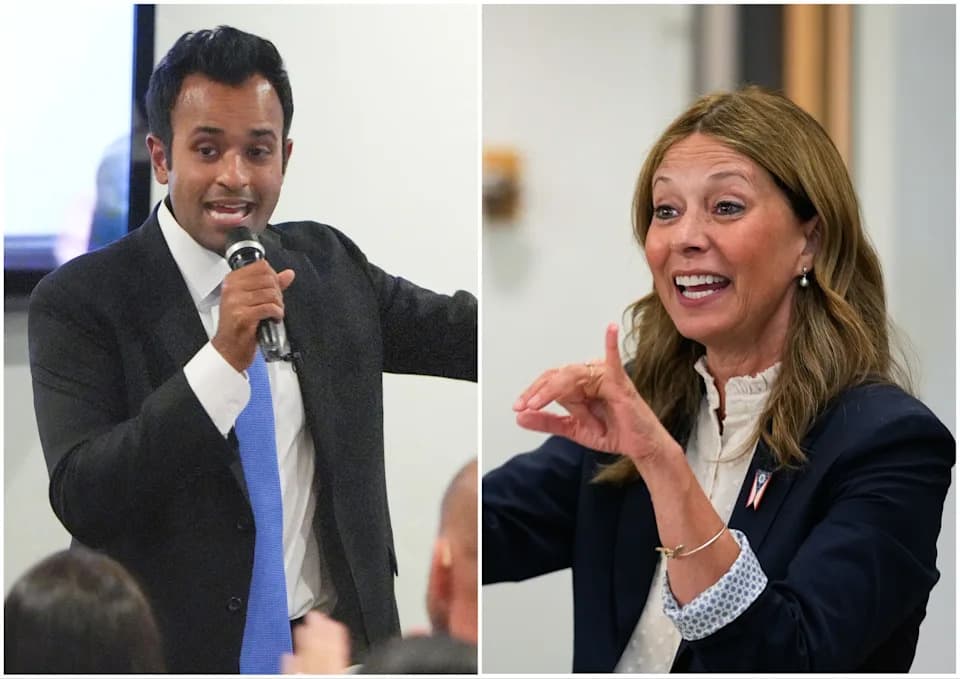
COLUMBUS, Ohio — As Ohio’s May 5 Republican primary for governor nears, front-runner Vivek Ramaswamy is running what looks more like a general-election operation: a statewide tour of all 88 counties, high-dollar television ads and extensive fundraising that has generated roughly $50 million in contributions, about half of it from his own pocket.
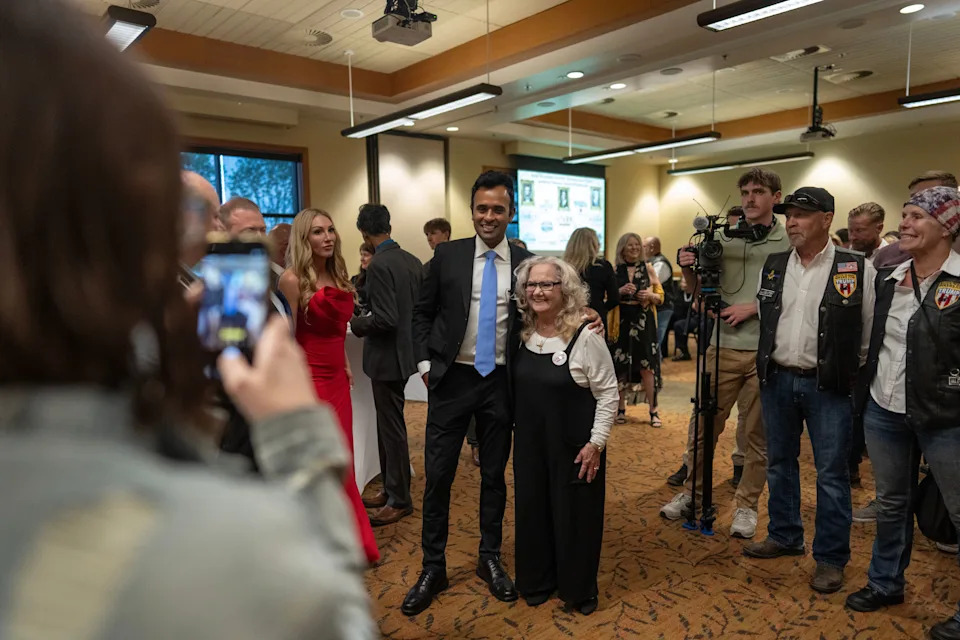
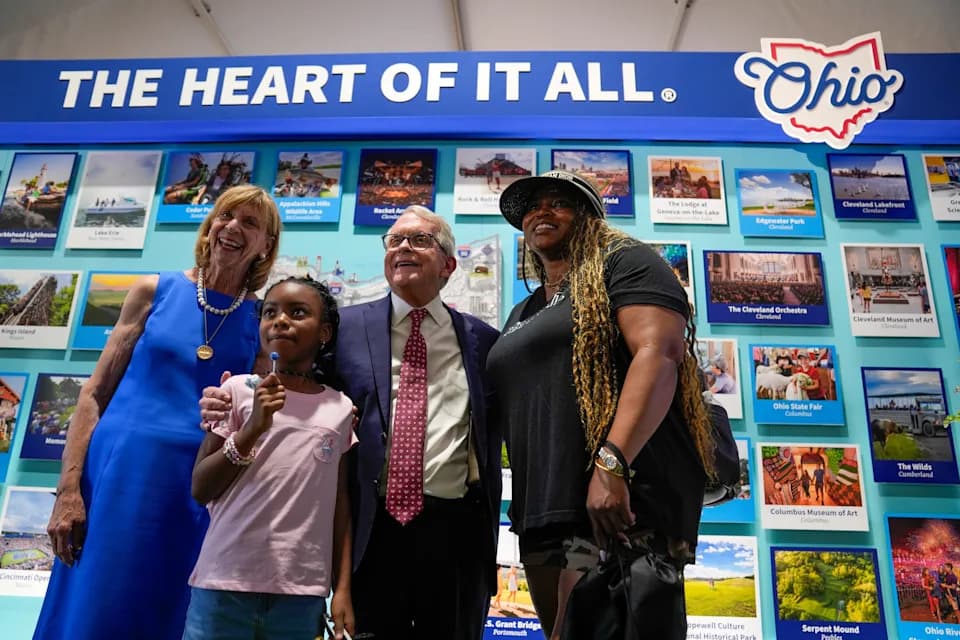
Republican Ohio gubernatorial candidate Vivek Ramaswamy, left, and Beverly Aikins, the mother of Vice President JD Vance, pose for a photo before the Warren County Republicans Lincoln Day Dinner at the Great Wolf Lodge in Mason, Ohio, Friday, April 10, 2026. (AP Photo/Carolyn Kaster)(ASSOCIATED PRESS)
Primary Dynamics
Ramaswamy’s campaign has focused on building name recognition and attacking his likely November opponent, Democrat Amy Acton, while largely overlooking intra-party challenger Casey Putsch. Putsch, an engineer who markets himself as “The Car Guy,” has drawn small crowds and raised about $123,000 but has attracted attention among some conservative voters frustrated with the GOP establishment.
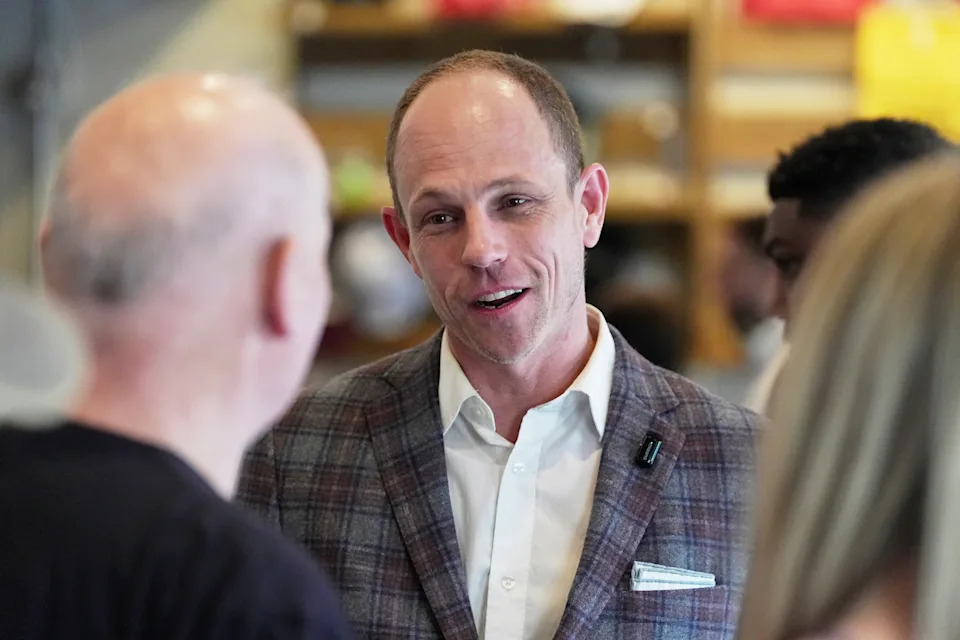
Ohio gubernatorial candidate Casey Putsch speaks with supporters at a campaign event in Toledo, Ohio, Thursday, April 9, 2026. (AP Photo/Sue Ogrocki)(ASSOCIATED PRESS)
Policy Pushback and Political Risks
Despite his dominant position, Ramaswamy faces policy backlash on proposals that some voters view as out of step with mainstream Ohioans — including plans to consolidate parts of the state university system and a controversial suggestion to raise the voting age to 25. Other voter concerns include the rising cost of living, the state’s handling of data-center development and national issues such as the fallout from the Jeffrey Epstein files and the war in Iran.
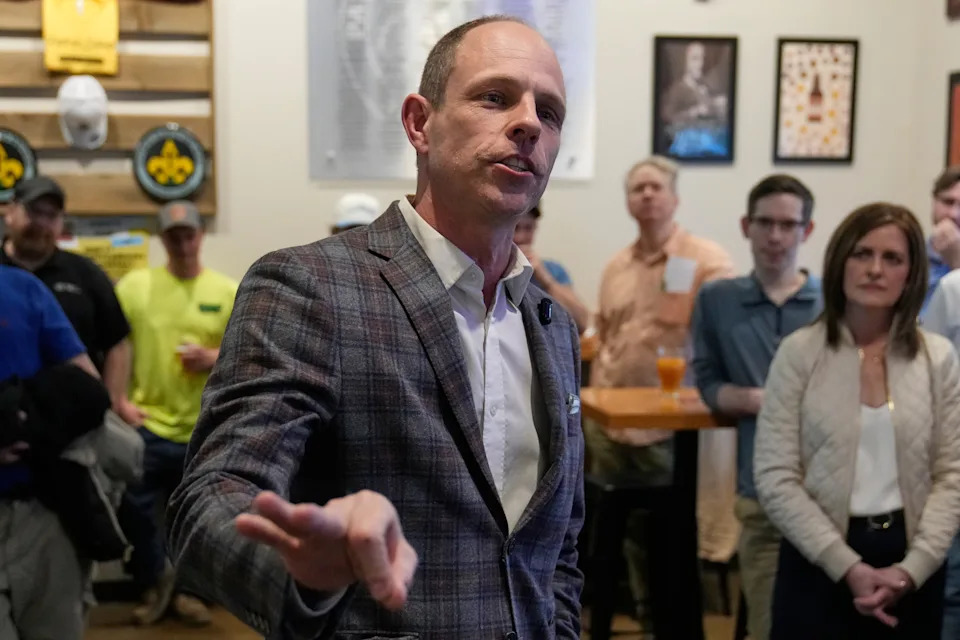
Ohio gubernatorial candidate Casey Putsch speaks at a campaign event in Toledo, Ohio, Thursday, April 9, 2026. (AP Photo/Sue Ogrocki)(ASSOCIATED PRESS)
Personal Attacks and Racial Tension
Some criticism of Ramaswamy has turned personal and, at times, ugly. Putsch and others have been accused of targeting Ramaswamy’s Indian heritage and Hindu faith, using ethnic slurs and provocative imagery. After Ramaswamy condemned racism and antisemitism in a New York Times opinion piece and a speech at Turning Point USA’s AmericaFest, online harassment increased. Ramaswamy has since left Instagram and X, writing that social media can be a distorted barometer of public opinion.
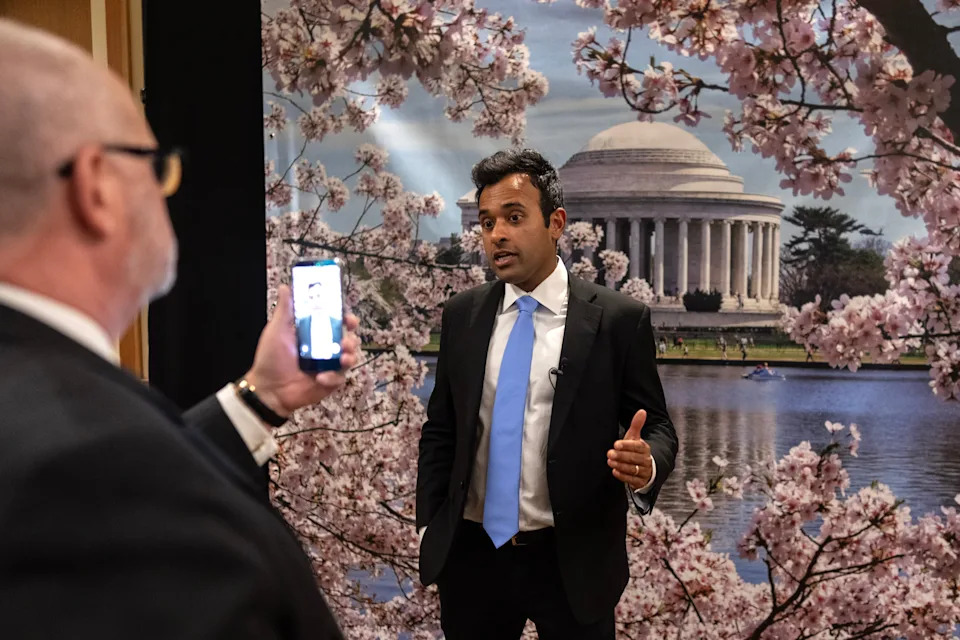
Republican Ohio gubernatorial candidate Vivek Ramaswamy records a video before the Warren County Republicans Lincoln Day Dinner at the Great Wolf Lodge in Mason, Ohio, Friday, April 10, 2026. (AP Photo/Carolyn Kaster)(ASSOCIATED PRESS)
“We have three opponents right now in this race,” said state Senate President and Ramaswamy running mate Rob McColley. “We have Amy Acton, we have the national political environment and then we have complacency.”
Party Response and Voter Sentiment
Ohio Republican Party Chairman Alex Triantafilou downplayed Putsch’s attacks as typical primary noise and emphasized Ramaswamy’s national profile, political skills and fundraising edge. Supporters such as Aaron Baer, president of the Center for Christian Virtue, say Ramaswamy shares conservative values despite differences in faith.
Still, party officials and some supporters warn that the bigger risk is low conservative turnout in November. If complacency or disaffection keeps enough Republicans home, Ohio could elect a Democratic governor for the first time in two decades.
Grassroots Reaction
Voters are divided. Some, like 70-year-old Pam Koch, say Ramaswamy aligns with their values and appreciate his statewide outreach. Others, including longtime conservatives who are disenchanted with Trump and the GOP establishment, find Putsch’s outsider appeal persuasive despite his limited resources.
Ramaswamy’s campaign remains the clear frontrunner, but the primary has exposed issues — from policy pushback to the potential for racially charged attacks and voter complacency — that could shape the general election outcome.
Help us improve.