Colombian President Gustavo Petro and Venezuela's Delcy Rodríguez met in Caracas and pledged immediate intelligence-sharing to curb drug and fuel smuggling along their 2,200-kilometre border. They also agreed to boost bilateral trade and pursue electrical and gas interconnections to ease chronic blackouts in western Venezuela. The move comes amid pressure from U.S. President Donald Trump on investment and anti-drug efforts and reflects a pragmatic push for cooperation on security, energy and migration.
Petro and Rodríguez Agree To Share Intelligence, Boost Power Links After Caracas Talks
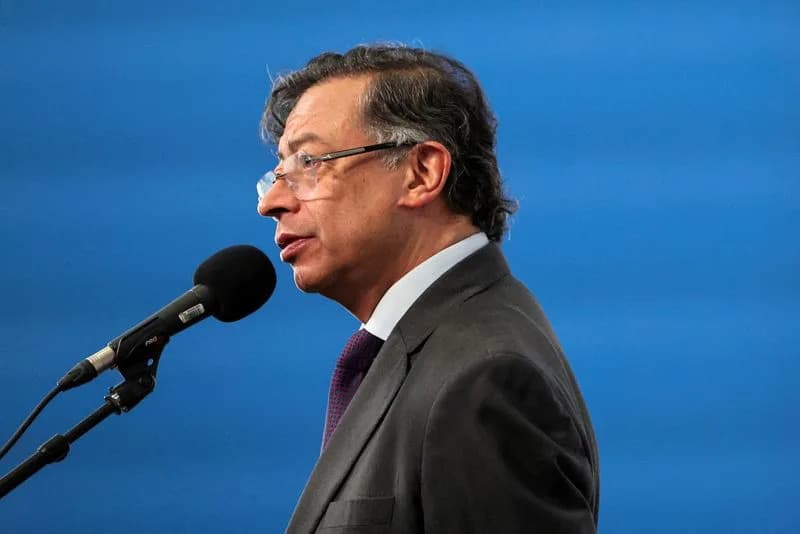
FILE PHOTO: Colombia's President Gustavo Petro speaks to the press as he arrives at the summit "In defence of democracy" in Barcelona, Spain, April 18, 2026. REUTERS/Nacho Doce/File Photo
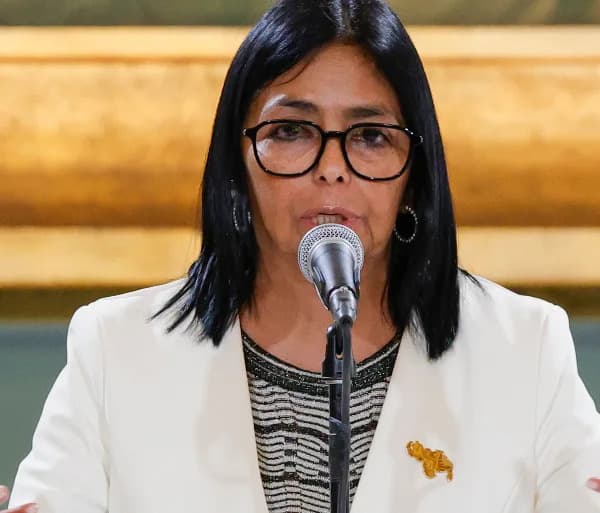
CARACAS/BOGOTÁ — Colombian President Gustavo Petro and Venezuela's Delcy Rodríguez met in Caracas on April 24 and pledged to deepen cooperation on security, trade and energy to address chronic problems along their 2,200-kilometre (1,370-mile) border.
New Commitments
The leaders agreed to establish immediate mechanisms for exchanging intelligence to combat cross-border crime, including drug and fuel smuggling. They also committed to expand bilateral trade and pursue electrical and gas interconnections aimed at stabilizing power supplies in western Venezuela, a region plagued by frequent blackouts.
"It makes no sense for Colombia or Venezuela to look toward other latitudes, another hemisphere, for what we can get in our own territories," Rodríguez said alongside Petro, noting that electrical and gas interconnections could allow not only mutual supply but also joint exports.
Border Context
Colombia and Venezuela share deep historical and cultural ties along a roughly 2,200-kilometre border where many families are binational. Nearly 3 million Venezuelan migrants have settled in Colombia in recent years after fleeing economic collapse. Border commerce exceeds $1 billion annually but the frontier is also a conduit for drug trafficking, smuggling and other criminal activity carried out by armed groups and criminal gangs.
Human rights organizations and past Colombian administrations have accused some armed groups of operating with support or complicity from elements within the Venezuelan security apparatus — an allegation Caracas denies. Both governments said they would take a "serious, comprehensive approach" to security and immediately create channels for information sharing and coordinated intelligence work.
Diplomatic Pressure And Economic Signals
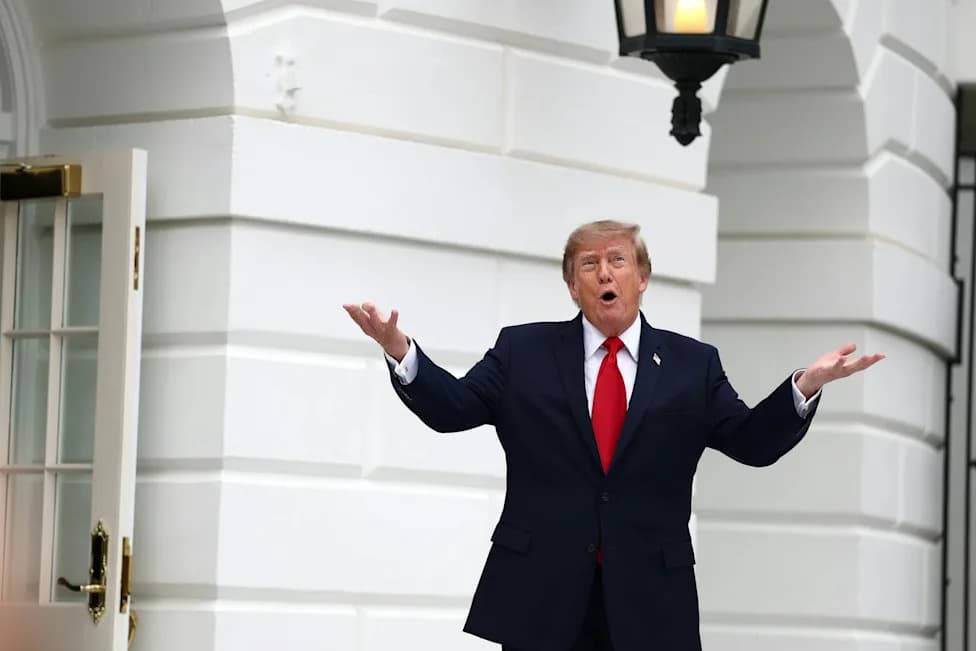
Both leaders face intense pressure from U.S. President Donald Trump: Rodríguez to open Venezuela's economy to foreign investment and Petro to intensify efforts against drug trafficking. Rodríguez, who has served as Venezuela's vice president and has courted foreign investors for the oil and mining sectors, has urged the U.S. to lift sanctions, arguing that special licenses and waivers are insufficient to restore investor confidence.
Petro has pushed back against external criticism, noting his administration has reported record drug seizures. Despite tensions with Washington — including personal sanctions imposed on Petro — the two leaders have maintained diplomatic contact, meeting face to face earlier in the year and holding a friendly call in March about border economics.
The Caracas talks signal a pragmatic pivot toward closer bilateral cooperation on security and energy, driven by shared challenges along the border and mutual economic interests.
Help us improve.