Federal investigators are probing the disappearance of 15 industrial crop-spraying drones from a New Jersey facility after a coordinated theft. Each drone can spray about 40 gallons across roughly 30 acres and operates on GPS autopilot, prompting bioterrorism concerns. Retired FBI agent Steve Lazarus called the incident deeply worrying, and authorities say the coordination suggests professional thieves. Investigators have not reported any use of the drones in attacks, but the theft highlights growing risks from the diversion of industrial-grade devices.
15 Stolen Crop-Spraying Drones Spark Bioterrorism Fears After Coordinated New Jersey Heist
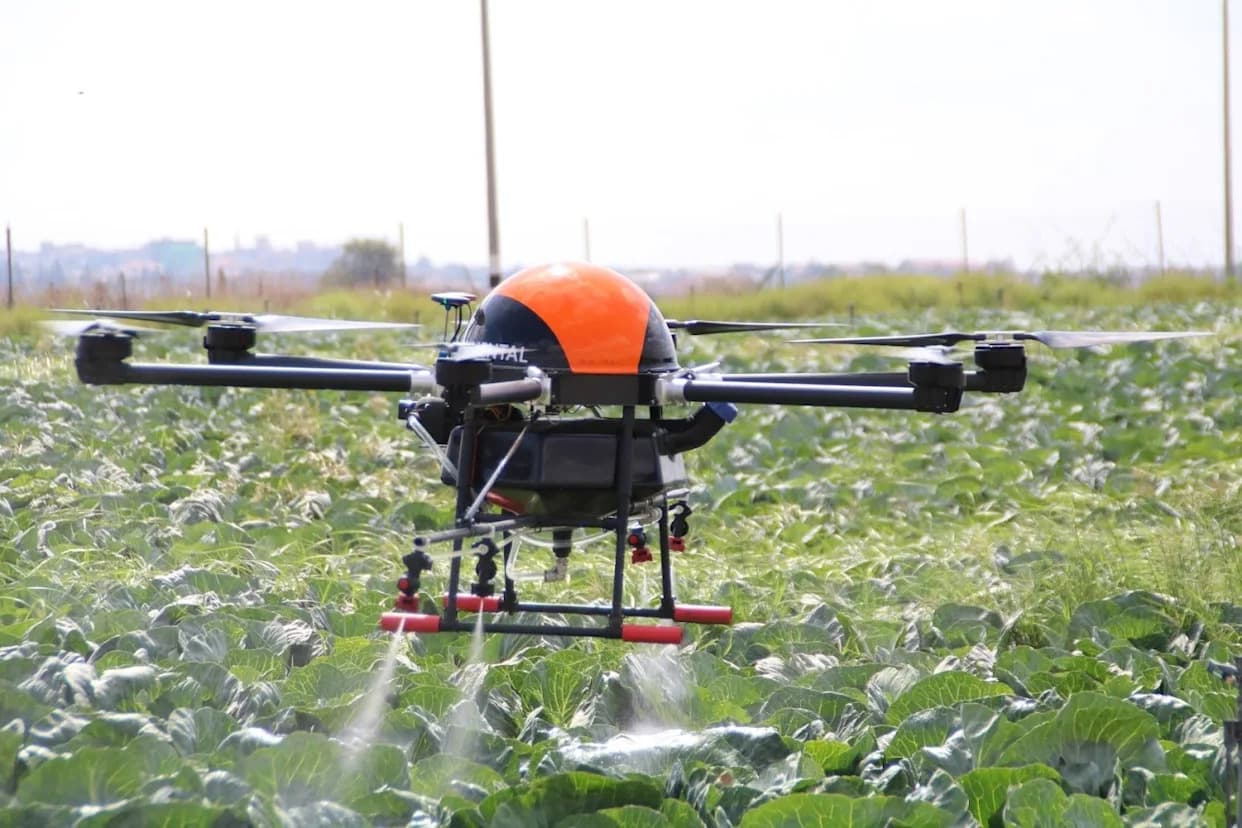
Image: Wikimedia
Fifteen industrial crop-spraying drones disappeared from a New Jersey facility last month in what federal investigators call a sophisticated, coordinated theft. These are not hobby quadcopters: each machine is a precision agricultural sprayer capable of dispersing about 40 gallons of liquid across roughly 30 acres per flight, all guided by GPS autopilot.
Why Authorities Are Concerned
Federal investigators have opened a probe amid fears the drones could be used to disperse hazardous materials. Officials are treating the incident as more than a loss of expensive equipment because each drone could serve as an unmanned delivery system able to spread contaminants over wide areas without exposing an operator to risk.
What Experts Say
"This is deeply concerning," said retired FBI agent Steve Lazarus, noting the machines are industrial sprayers built for precision agriculture, not recreational use. He warned of serious consequences if such equipment falls into the wrong hands.
Investigators say the level of coordination required to steal 15 such units points to professional perpetrators who understood both the drones' capabilities and their market value.
Broader Risks
The theft has revived post-September 11 anxieties about the weaponization of agricultural aircraft. Today's threat is amplified by technology: instead of recruiting and training pilots for a single plane, malicious actors could conceivably deploy swarms of pre-programmed drones to cover large areas quickly.
These systems follow GPS-guided flight paths with near-military precision, enabling operators to remain distant from the targeted area while the drones cover extensive terrain. The same features that make the devices efficient for farming—autonomy, payload capacity and range—are what make them worrisome when stolen.
Shifts in Tech Crime
The incident also underscores a shift in criminal targeting toward industrial-grade consumer devices. While smartphone thefts dominate headlines, criminals are increasingly seeking specialized, high-value equipment—like agricultural drones—that can have hazardous secondary uses.
Investigations are ongoing. Authorities have not announced evidence that the stolen drones have been used in any attacks, but the theft has heightened concern among federal and local officials about unidentified aerial activity near critical infrastructure and populated areas.
What To Watch For
Officials urge facilities that store specialized drones and other high-value equipment to review security, inventory controls and access logs. The case illustrates how rapidly advancing commercial technologies can create new vulnerabilities when diverted from their intended purposes.
Help us improve.