Prediction markets such as Polymarket and Kalshi have moved into the political and economic spotlight amid allegations of insider trading and market manipulation. Federal prosecutors arrested a U.S. Special Forces soldier accused of using classified information to profit on Polymarket, while Kalshi suspended three congressional candidates for betting on their own races. Regulators from California to other state capitals are pursuing tighter rules as platforms stress cooperation and stronger surveillance.
Prediction Markets Under Fire: Arrests, Candidate Bans and Calls for Tighter Oversight
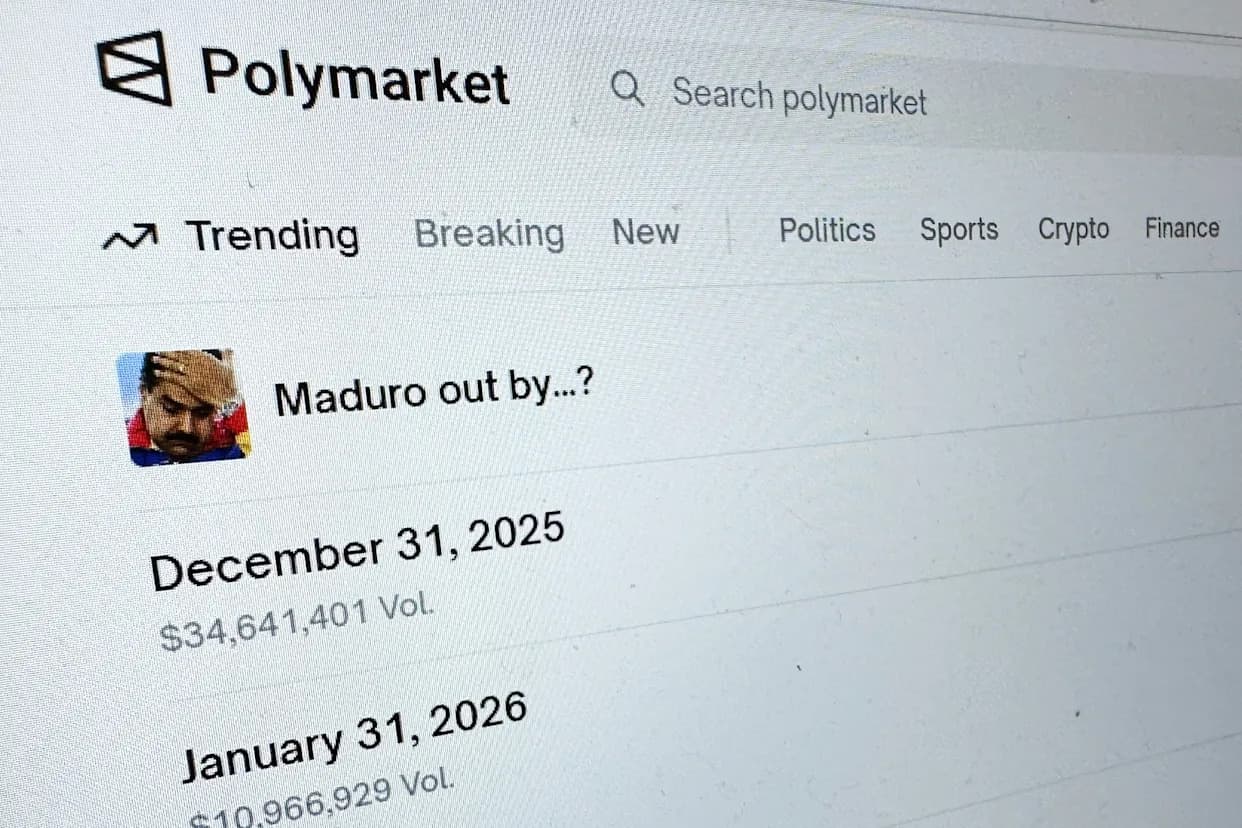
Prediction exchanges such as Polymarket and Kalshi have grown from niche sites into influential market platforms, attracting large valuations and political attention. As wagers on political, military and weather events draw public scrutiny, regulators and lawmakers are increasingly investigating alleged insider trading and other abuses tied to these markets.
Why Regulators Are Worried
State and federal officials say the ease of access to prediction markets has created new opportunities for people with privileged information to profit. Several Democratic state leaders, including California Gov. Gavin Newsom, have moved to tighten rules: in March, Newsom issued an executive order barring appointed state officials from using nonpublic information to place bets on such platforms. Regulators in Arizona, Massachusetts and other states are also discussing new oversight measures.
High-Profile Incidents
Alleged Use Of Classified Information: Federal prosecutors announced the arrest of Gannon Ken Van Dyke, a 38-year-old U.S. Army Special Forces soldier, who is accused of using classified information to place more than a dozen bets on Polymarket tied to a January operation involving Venezuelan leader Nicolás Maduro. Authorities say Van Dyke spent about $33,000 and later collected more than $400,000 in payouts; he faces charges including unlawfully using confidential government information for personal financial gain. Officials describe his actions as an exploitation of knowledge about the mission.
Suspicious Trading Around Foreign Policy Moves: The Associated Press reported that at least 50 newly created Polymarket accounts placed thousands of dollars in wagers on a temporary ceasefire in the hours before a public announcement by President Donald Trump. Blockchain tracker Bubblemaps also flagged six suspected insider bets placed before initial U.S. strikes on Iran, which it said collectively yielded more than $1 million.
Candidate Bets And Platform Enforcement: Federally regulated Kalshi suspended three 2026 congressional candidates for betting on their own races — Minnesota Democrat Matthew Klein, Texas Republican Ezekiel Enriquez and Virginia candidate Mark Moran — imposing five-year bans and fines ranging from roughly $500 to several thousand dollars. Kalshi said the suspensions reflect its surveillance and enforcement efforts; one suspended candidate apologized, another has not commented, and a third said he wagered to draw attention to the platform.
International And Other Allegations: Israeli authorities charged two people in February for allegedly using classified information to place bets on Polymarket about military operations, according to NPR. Separately, several Polymarket traders profited from an unexplained spike in temperatures at Paris’ Charles de Gaulle airport on April 15; Météo‑France is investigating whether the readings were manipulated.
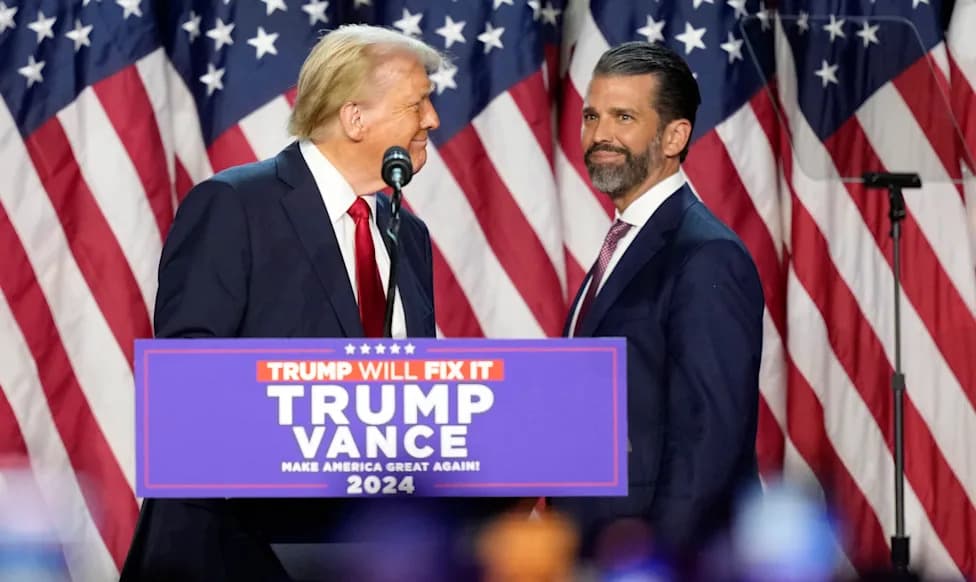
Platform Compliance And Controversial Ties: Polymarket’s CEO Shayne Coplan said the company flagged suspicious activity and cooperated with authorities, calling the arrest an example that "the system works." Kalshi emphasized that, as a federally regulated exchange, it prohibits insider trading and has active surveillance programs. Both platforms have courted U.S. political figures — Donald Trump Jr. has been reported as an adviser to both firms — and have invested in outreach to lawmakers and influencers.
Influencer-Related Case: In February, Kalshi reported Artem Kaptur, an editor who worked with YouTuber MrBeast, to federal authorities for allegedly trading on material nonpublic information tied to the creator’s video schedule. Kalshi suspended Kaptur for two years, imposed a penalty of more than $20,000, and he was later fired; Beast Industries said it has no tolerance for such conduct.
What Comes Next
These incidents have accelerated calls for clearer rules governing prediction markets. Lawmakers and state regulators are debating whether existing securities, gambling or insider-trading laws apply — and whether new, tailored rules are needed. Platforms say they are cooperating with investigations and strengthening surveillance, but critics argue stronger, enforceable standards are required to prevent misuse of sensitive information.
Bottom Line: Prediction markets are attracting regulatory scrutiny after a string of alleged abuses that highlight how modern trading platforms can amplify the consequences of leaked or privileged information.
Help us improve.