Gavi says cuts in donor funding, including a $1.58 billion withdrawal by the United States, have forced a major scale-back of its malaria vaccine programme in Africa, risking tens of thousands of children's lives. The alliance has lowered its 2030 coverage goal from 85% to 70% and warned the funding shortfall could substantially reduce lives saved. Gavi is also facing delays in a $1 billion subsidy to spur African vaccine manufacturing and remains roughly $1.9 billion short of its $11.9 billion 2026–2030 fundraising target.
US Funding Cuts Force Gavi To Scale Back Malaria Vaccine Rollout, Threatening Tens Of Thousands Of Children
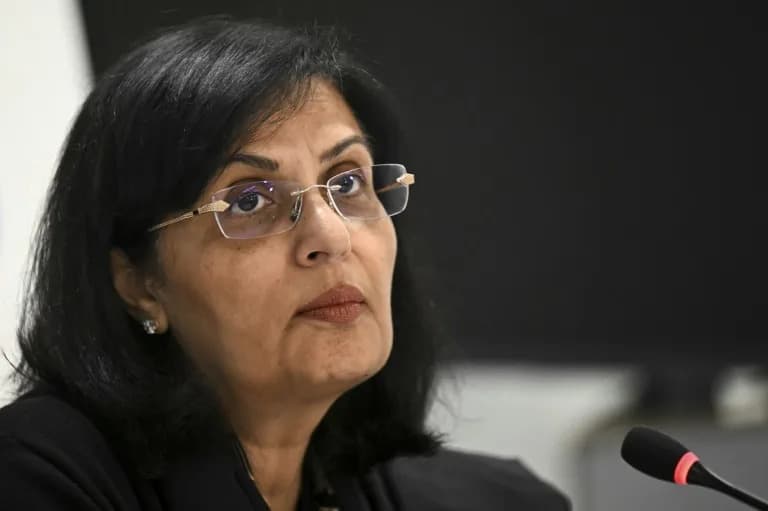
Sania Nishtar says cuts are hitting its malaria programme hardest (Fabrice COFFRINI)(Fabrice COFFRINI/AFP/AFP)
Gavi, the Vaccine Alliance, says cuts in support from the United States and other donors have forced it to scale back its malaria vaccine programme in Africa — a move its CEO warns could cost tens of thousands of young lives.
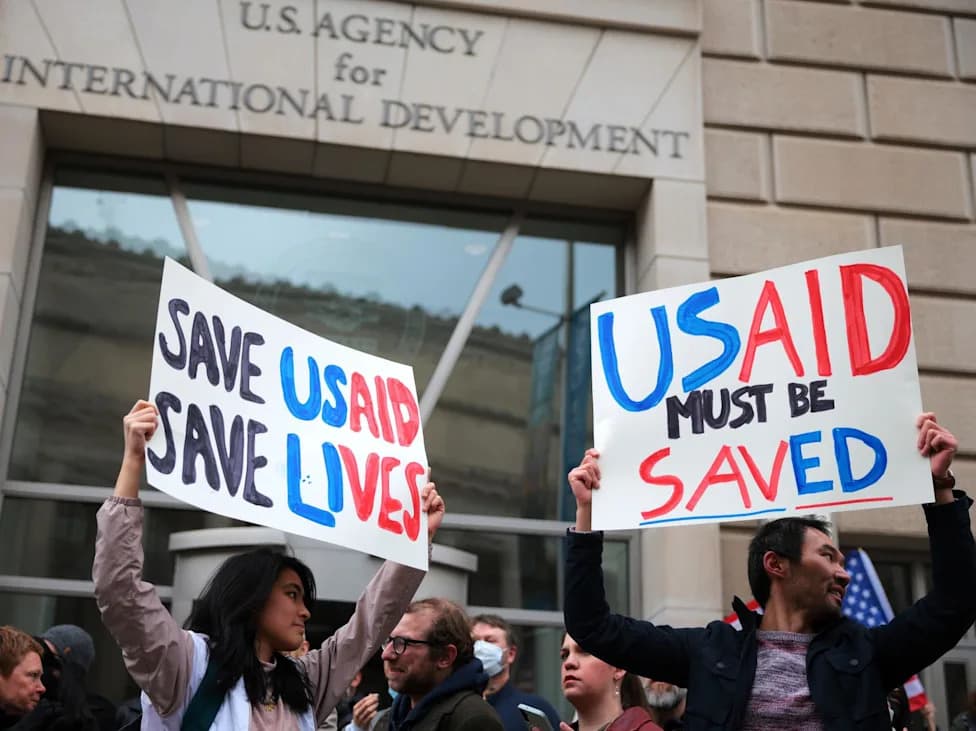
Gavi brings together public and private donors to help low- and middle-income countries access vaccines at affordable prices. Last year the United States withdrew $1.58 billion in support after public statements by US health secretary Robert F. Kennedy Jr that raised unfounded safety concerns about vaccines, according to Gavi.
'Our malaria programme has taken the heaviest cuts,' Gavi CEO Sania Nishtar told AFP in an interview from Rwanda. 'If you've ever seen a child with malaria convulsions in a hospital, you know what this means. It's a horrible sight.'
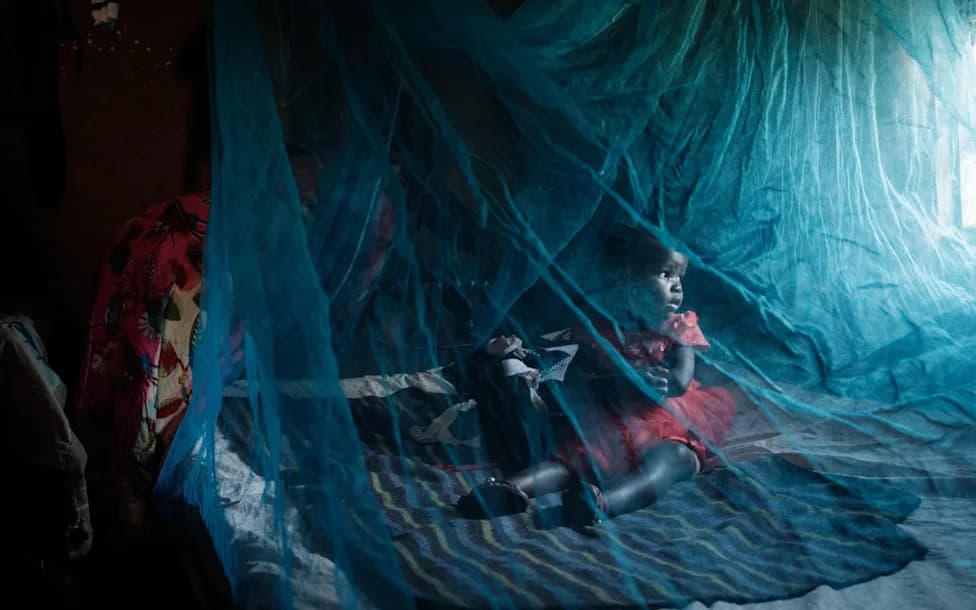
The alliance has been supporting rollout of the malaria vaccine, approved in 2021, across 25 African countries where malaria still kills roughly 600,000 people each year, the majority of them children. Gavi had targeted 85% vaccine coverage in those priority countries by 2030; that goal has now been lowered to 70%.
Gavi originally projected the vaccine rollout could prevent about 180,000 deaths. While final spending decisions rest with African governments, Nishtar warned that the funding shortfall "will likely be tens of thousands of children's lives lost".
Challenges Building African Manufacturing
Nishtar also described delays in efforts to develop vaccine manufacturing capacity in Africa — a vulnerability exposed during the Covid-19 pandemic when wealthier countries secured early supplies. In 2024 Gavi announced a $1 billion subsidy programme to help prospective African manufacturers, but she said that 18 months on, no manufacturer has yet redeemed a subsidy.
Companies in South Africa, Senegal, Morocco and Ghana are among those pursuing capacity, but Nishtar said they need more upfront financing and technical support to build labs and production lines. She plans to propose further upfront support to Gavi's board in July and urged African governments to back the effort with tax incentives and direct investments.
Funding Gap And A Silver Lining
Gavi sought $11.9 billion for its 2026–2030 strategy but remains about $1.9 billion short, largely because of the US withdrawal and additional cuts from other Western donors. Despite the shortfall, Nishtar said she remains hopeful the United States can be persuaded to rejoin full support.
She also noted a "silver lining": the funding squeeze has pushed some African governments to increase co-financing and look for innovative revenue streams. 'Last year, we ended with $300 million in co-financing contributions from African countries in our bank account,' she said.
As Gavi adjusts priorities, the organisation is pressing for renewed donor commitments and faster, more predictable financing to avoid reversing recent gains against malaria.
Help us improve.