Mark Carney said there is a "misimpression" about how dependent Canada is on the United States, stressing a mutual economic relationship rather than one-sided reliance. Tense negotiations over the USMCA are set to intensify as senior U.S. trade figures press for changes while acknowledging some parts of the deal remain intact. An Ontario ban on certain U.S. liquors — a response to American steel and auto tariffs — has escalated tensions and prompted talk of enforcement actions under the USMCA. Carney called the U.S. tariffs a violation of the trade agreement and reiterated that Canada will determine its own economic future.
Carney Pushes Back: Canada Not As Dependent On U.S. Economy As Often Portrayed
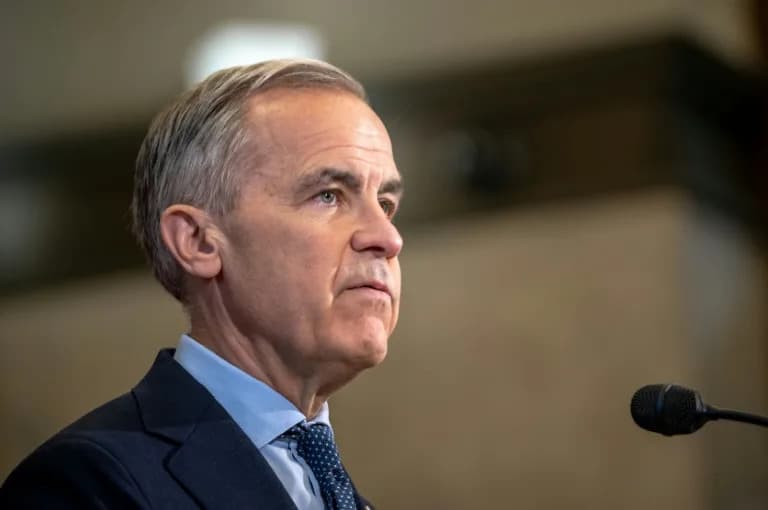
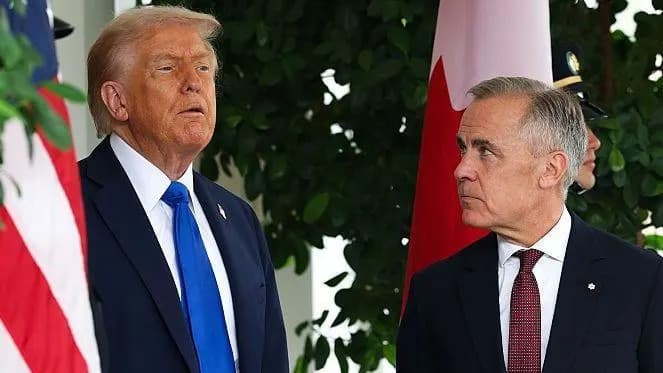
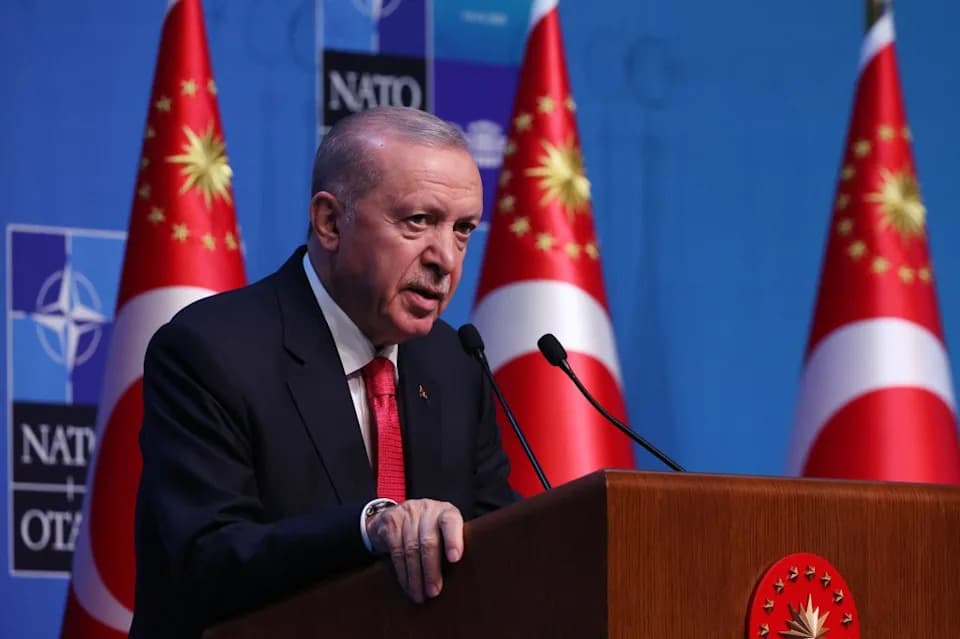
Canadian Prime Minister Mark Carney's comments came as Ottawa and Washington head toward fractious negotations on the future of a North American free trade agreement (ANDREJ IVANOV)(ANDREJ IVANOV/AFP/AFP)
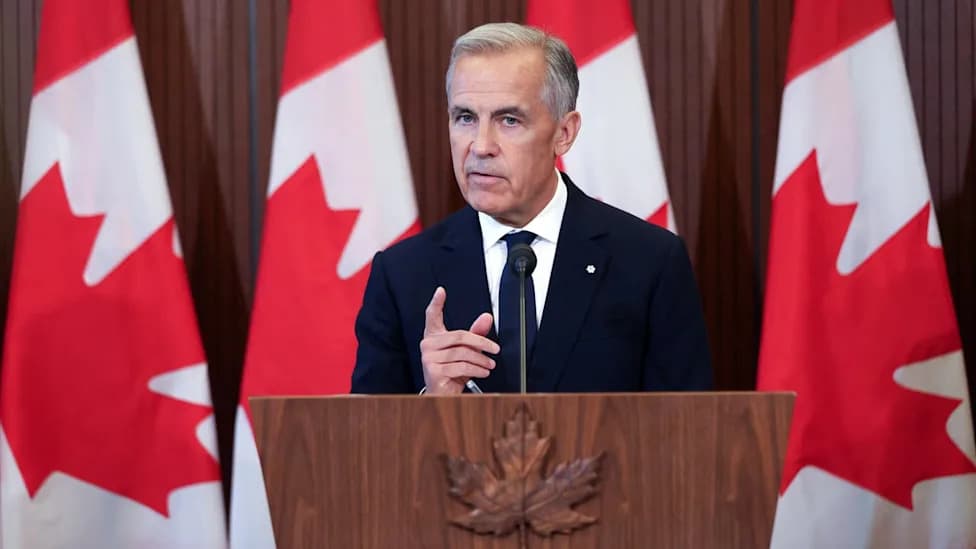
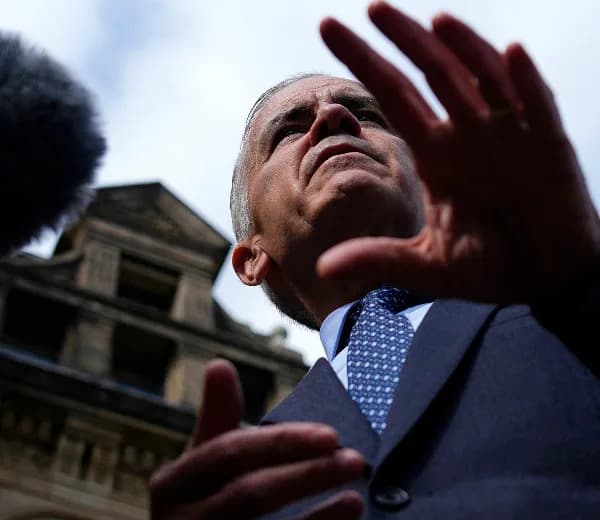
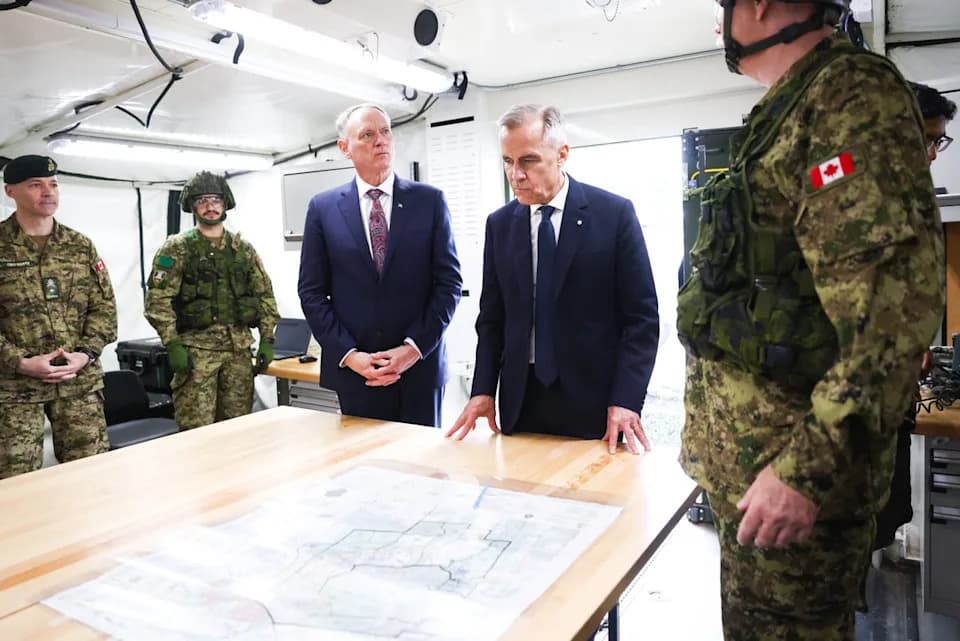
Mark Carney, speaking to reporters on Thursday, pushed back against portrayals that Canada is overly dependent on the United States, saying there is a "misimpression" about the degree of reliance between the two economies.
Tense Talks Over USMCA
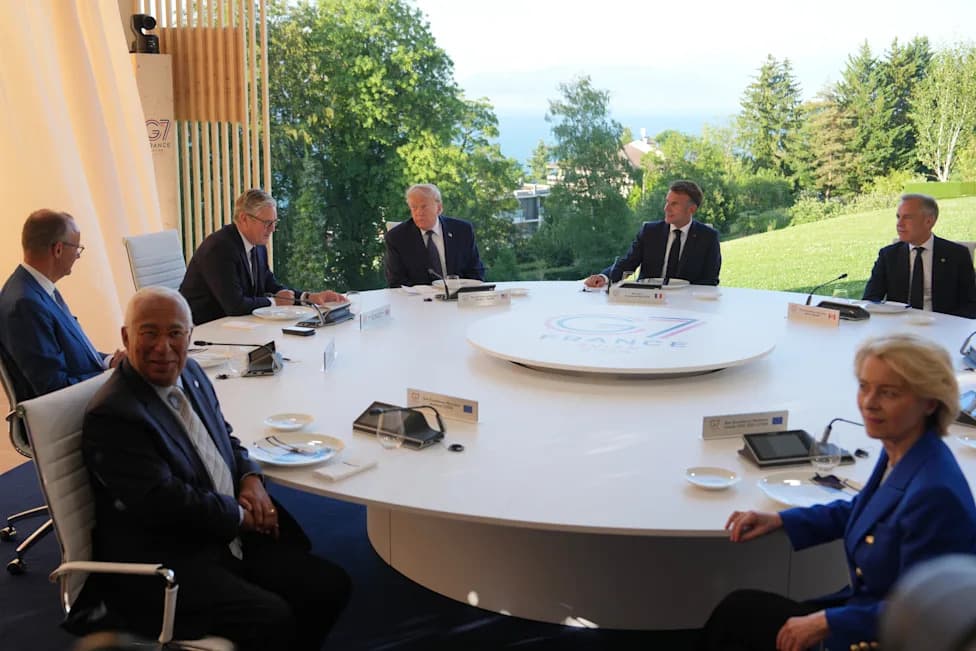
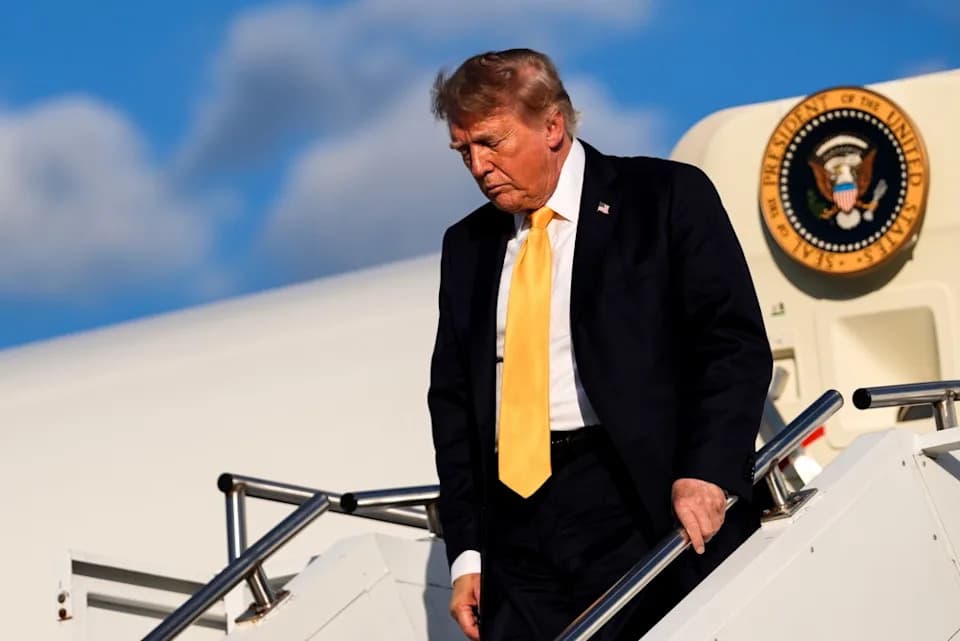
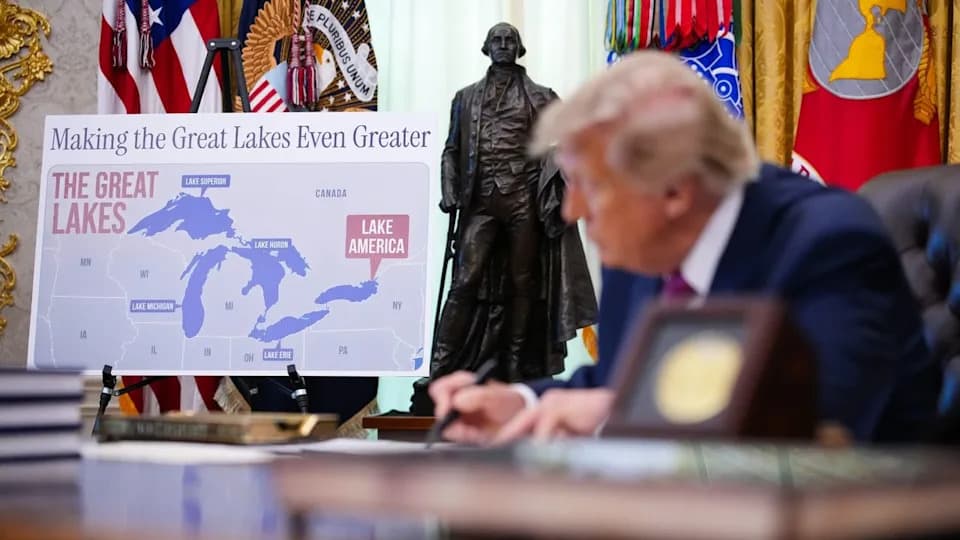
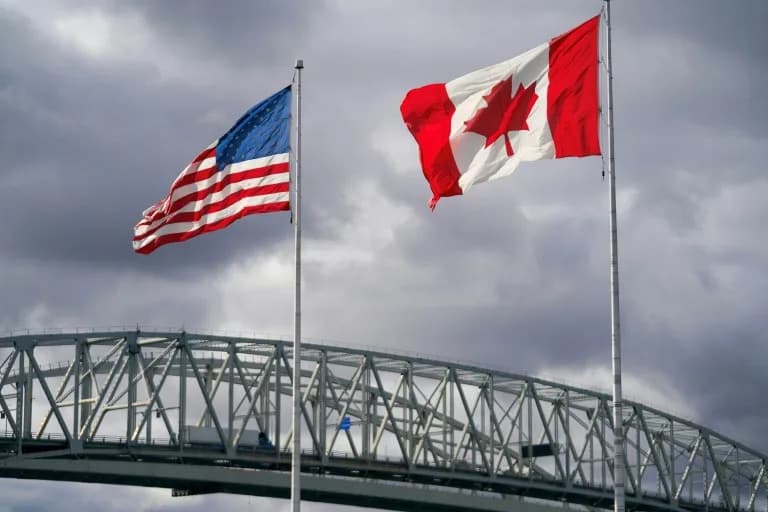
Canada and the United States are entering difficult negotiations over the future of their North American trade agreement, the United States–Mexico–Canada Agreement (USMCA). Once praised by President Donald Trump, the pact has recently been described by him as "irrelevant," and senior U.S. trade officials have adopted a tougher tone ahead of intensified talks.
Rhetoric From Washington
At a congressional appearance, a U.S. official characterized the United States as an overwhelming economic force, saying Canada "leans on the incredible 30 trillion dollar economy of America." Other senior U.S. trade figures have publicly urged changes to parts of the USMCA while acknowledging some of its core pillars remain intact.
"There is a misimpression, by some, of the degree to which we are reliant on the United States," Carney said. "Yes, it is our biggest trading partner by far. We are also their second-biggest trading partner. There is a symbiosis between the two."
Domestic Response And Trade Friction
In a measure of rising tensions, Ontario's provincial government moved to ban the sale of certain U.S. liquors and wines in apparent retaliation for U.S. tariffs on steel, aluminum and automobiles. Washington criticized the move as provocative; U.S. trade officials warned that enforcement actions under the USMCA's dispute-resolution mechanisms could follow.
Carney noted that while the Ontario decision was provincial, the tariffs imposed by the United States are clear breaches of the trade agreement: "The tariffs on steel, the tariffs on aluminum, the tariffs on automobiles...those are violations of our trade deal," he said.
Looking Ahead
Carney emphasized that, despite the close economic relationship, Canada will largely shape its own economic destiny: "Canada's destiny is first and foremost going to be determined by what we do here." As talks progress, expect continued public sparring over tariffs, market access and the scope of enforceable protections under the USMCA.
Help us improve.