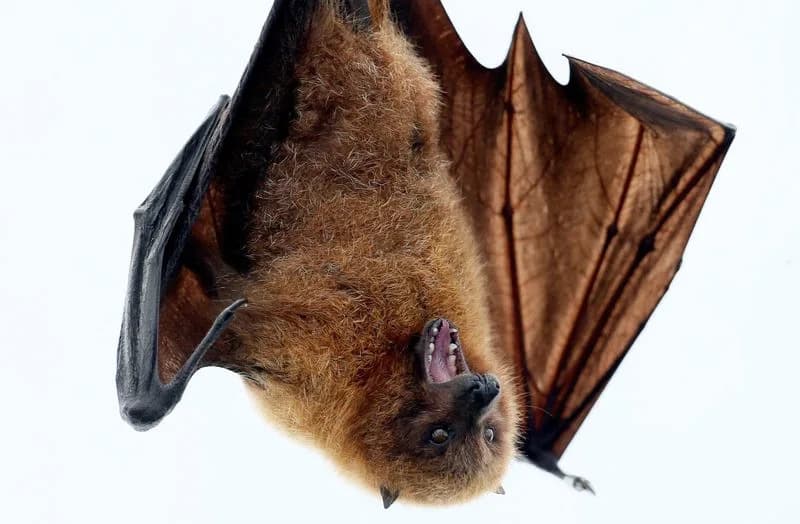
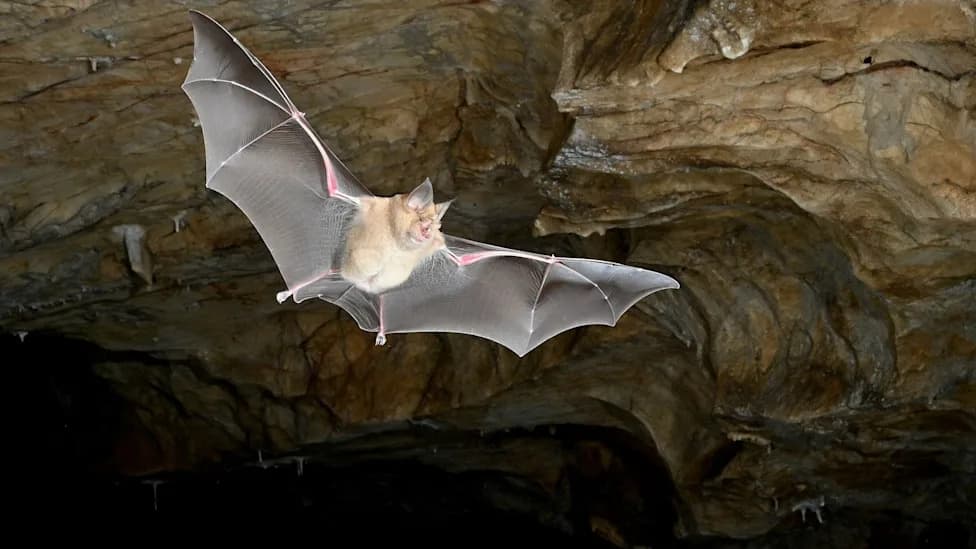
Researchers recorded more than 55,000 syllables from greater sac-winged bat pups and found that juveniles repeatedly produce proto-syllables in a way that resembles human infant babbling. Field teams in Costa Rica and Panama sampled 20 pups from eight colonies and used spectrogram analysis to catalogue ultrasonic calls. While the bats' babbling is briefer and uses a narrower syllable set than human infants, the large labeled dataset offers strong opportunities for machine-learning studies of vocal development.
Bat Pups Babble Like Human Infants: Study Records 55,000+ Juvenile Syllables
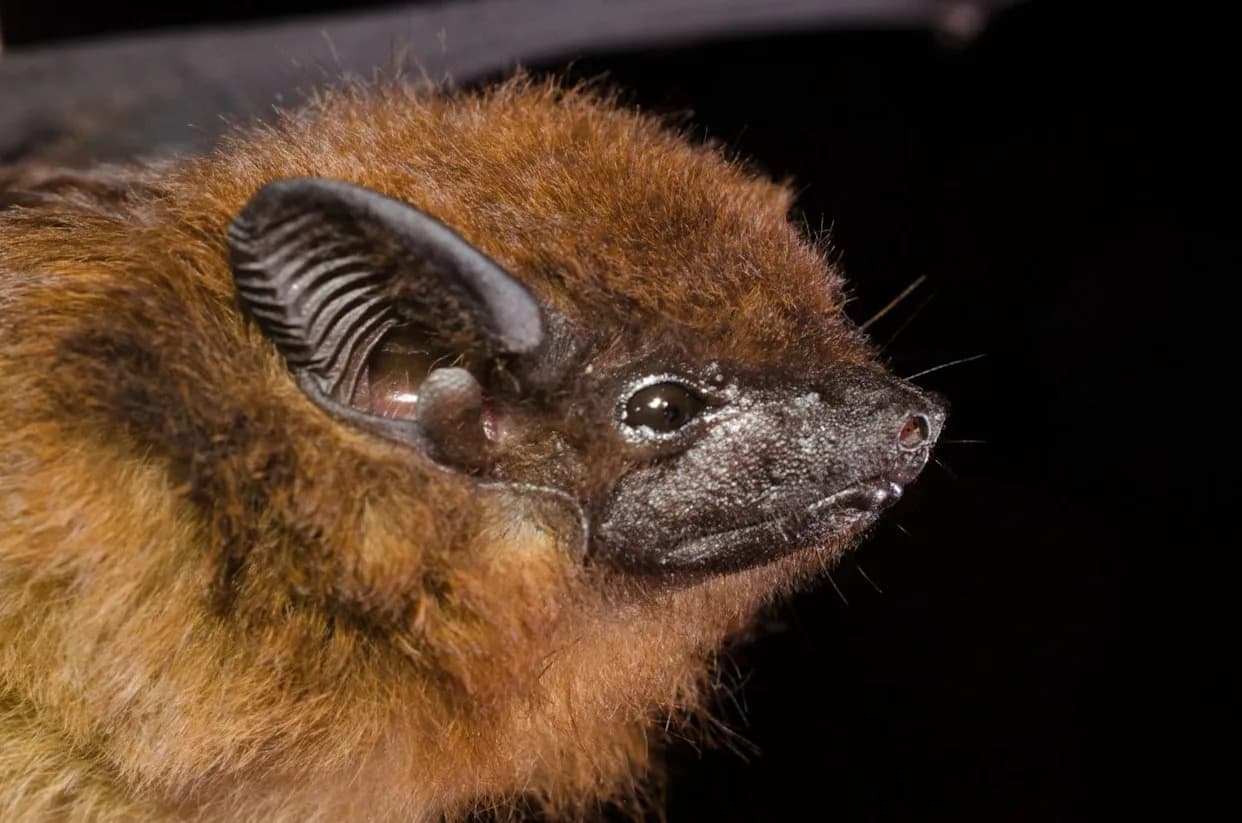
The chestnut sac-winged bat, or Wagner's sac-winged bat (Cormura brevirostris) is a species of sac-winged bat native to South and Central America. It is the only species within its genus.© Mendesbio/Shutterstock.com
Researchers have found that pups of the greater sac-winged bat practice vocalizations in a way that closely resembles human infant babbling. A team working in Central America recorded and manually classified more than 55,000 individual syllables from developing bats, revealing prolonged vocal practice that appears to support later social communication.
What the Study Found
The study focused on the greater sac-winged bat (Saccopteryx bilineata), a highly social species native to Central and South America. Lead author Ahana Fernandez and colleagues recorded calls from 20 pups across eight colonies in Costa Rica and Panama. Because many of the calls occur at ultrasonic frequencies, the team used spectrograms to visualize and catalogue sounds that are often inaudible to people.
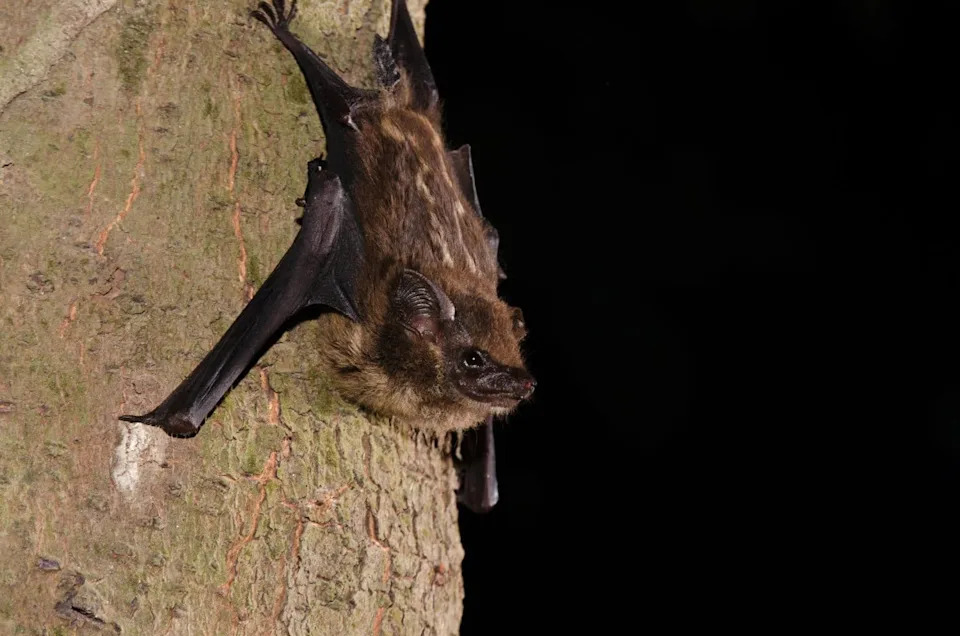
Researchers discovered that greater sac-winged bat pups babble like human infants.©Mendesbio/Shutterstock.com
Across weeks of observation the pups repeatedly produced short, proto-syllabic units—rhythmic chirps and squeaks—that researchers interpret as vocal practice. The behavior shared key features with human infant babbling: repetition of proto-syllables, use during periods of play or solitary practice rather than distress, and apparent function as rehearsal for later, more structured calls. Importantly, these babbling episodes typically did not attract or alarm mothers.
How These Bats Communicate
Greater sac-winged bats possess an elaborate vocal repertoire including territorial songs, mating whistles, and diverse social calls. Adult males also display small wing sacs used in courtship and scent-marking. The species roosts on tree trunks in rainforest habitats and forages for flying insects using echolocation; their complex social lives and rich call repertoires may encourage juveniles to begin learning vocal patterns early.
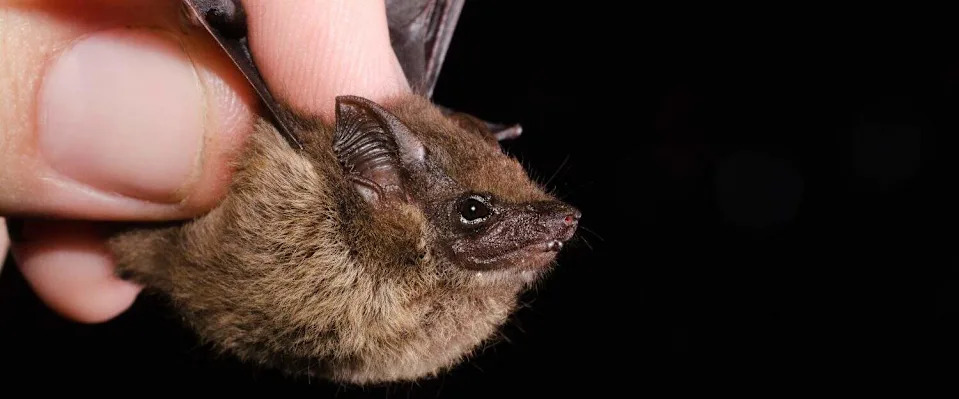
Data from this new study could help further the understanding of animal vocalization and behavior in the future.©Mendesbio/Shutterstock.com
Key Differences From Human Babbling
While the parallels are striking, the researchers note important differences: bat pups appear to enter and exit their babbling phase more abruptly than human infants and tend to experiment within a narrower set of syllables. Still, the presence of babbling-like behavior in a non-primate mammal highlights new comparative opportunities for studying vocal learning—alongside examples previously documented in songbirds.
Why This Matters
The dataset of more than 55,000 labeled syllables is unusually large for vocal development studies and opens the door to automated and machine-learning approaches to map developmental trajectories, classify call types, and compare vocal learning across species. Developmental linguist Clara Levelt described the work as "beautiful" and said it will provide a foundation for further research into how complex vocal repertoires develop in social animals.
Publication: The findings appear in the journal Science in a paper titled "Babbling in a vocal learning bat resembles human infant babbling."
Help us improve.