A British study published in PLOS One reports that chimpanzee vocalizations develop community-specific characteristics as individuals mature. Researchers compared grunts, whimpers and laughter from infants and juveniles in two separate populations and found some differences present from infancy while others emerged in juveniles. The pattern suggests social and environmental factors, not genetics alone, influence vocal development. The findings offer new insight into how complex communication systems can evolve in primates.
Chimps Have Accents — Young Chimps' Grunts Reveal Where They Grew Up
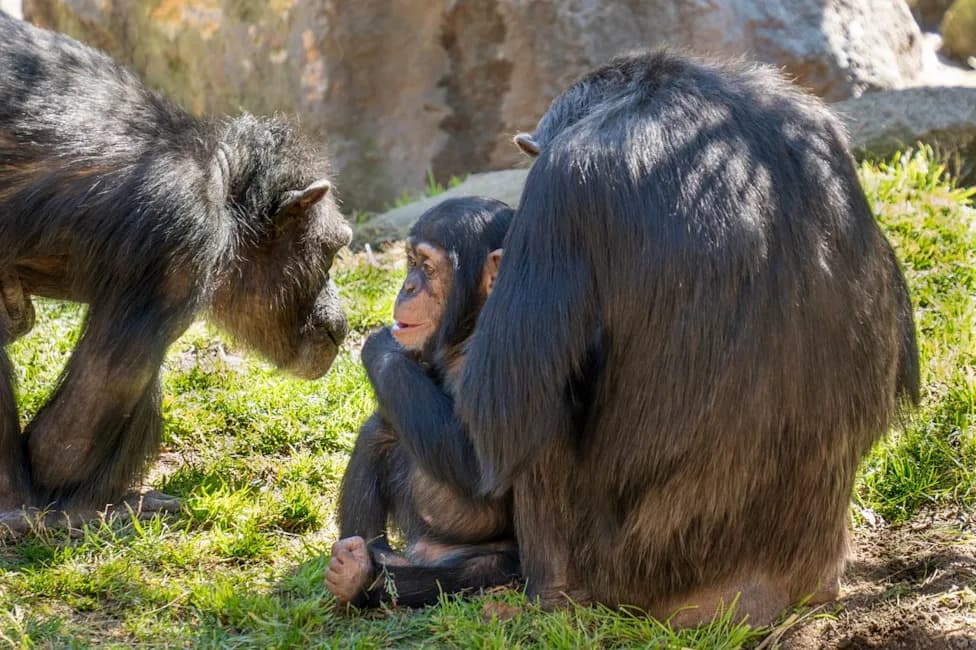
(Photo by Emilio Sánchez Hernández via Pexels)
A new study by researchers at Queen Mary University of London and the University of Portsmouth shows that chimpanzee vocalizations develop community-specific patterns as the animals mature. By comparing the grunts, whimpers and laughter of infants and juveniles from two geographically separate populations, the team found that vocal differences between groups became increasingly pronounced with age.
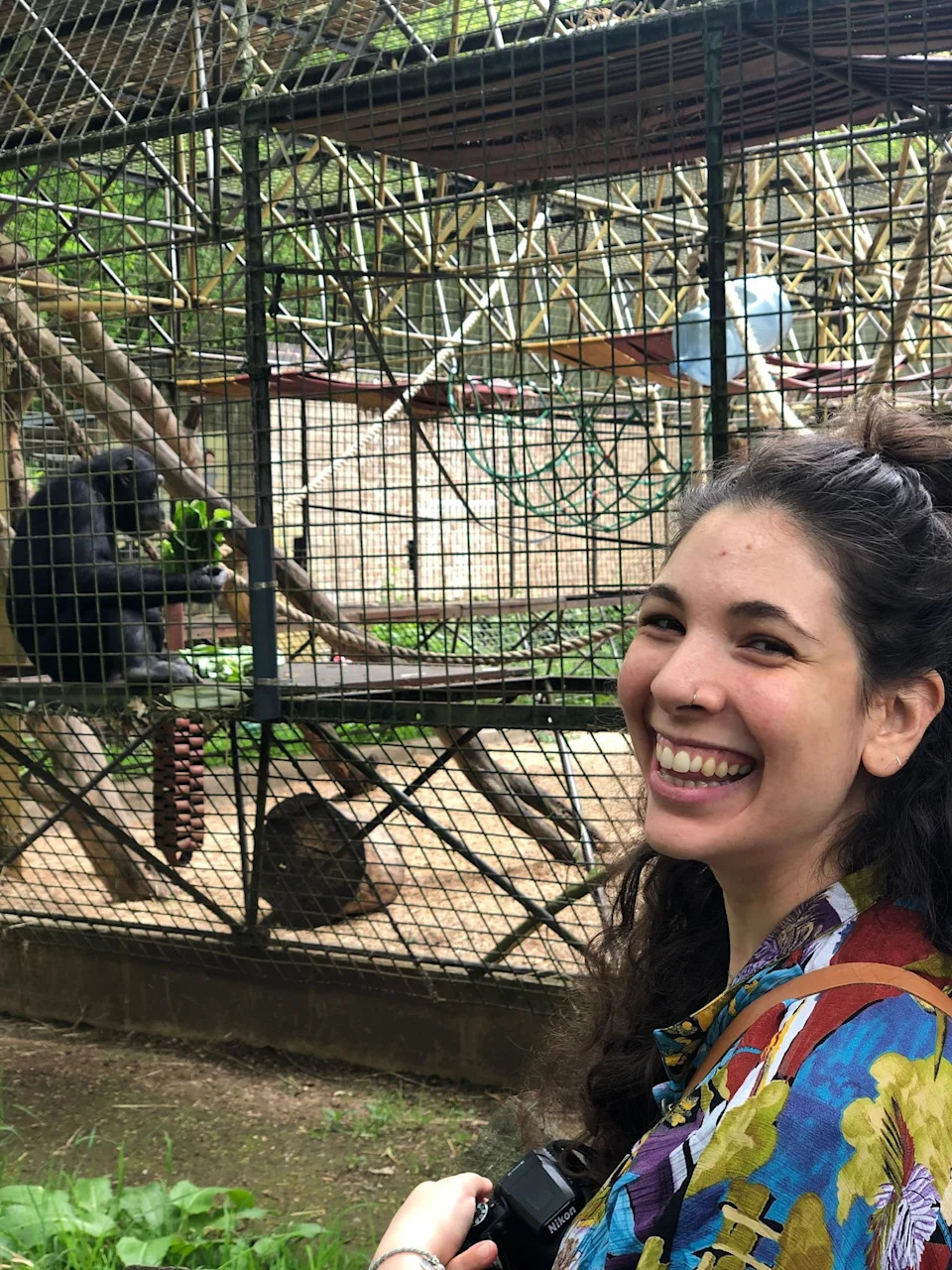
Study leader Kassandra Giragosian pictured alongside a chimpanzee. (Kassandra Giragosian via SWNS)
Study Design and Findings
The researchers recorded and analyzed calls from infant and juvenile chimpanzees across two distinct populations. Some population-specific vocal features were already detectable in infancy, while other differences emerged during the juvenile period. Overall, the results indicate vocal behavior continues to develop during early life rather than being entirely fixed at birth.
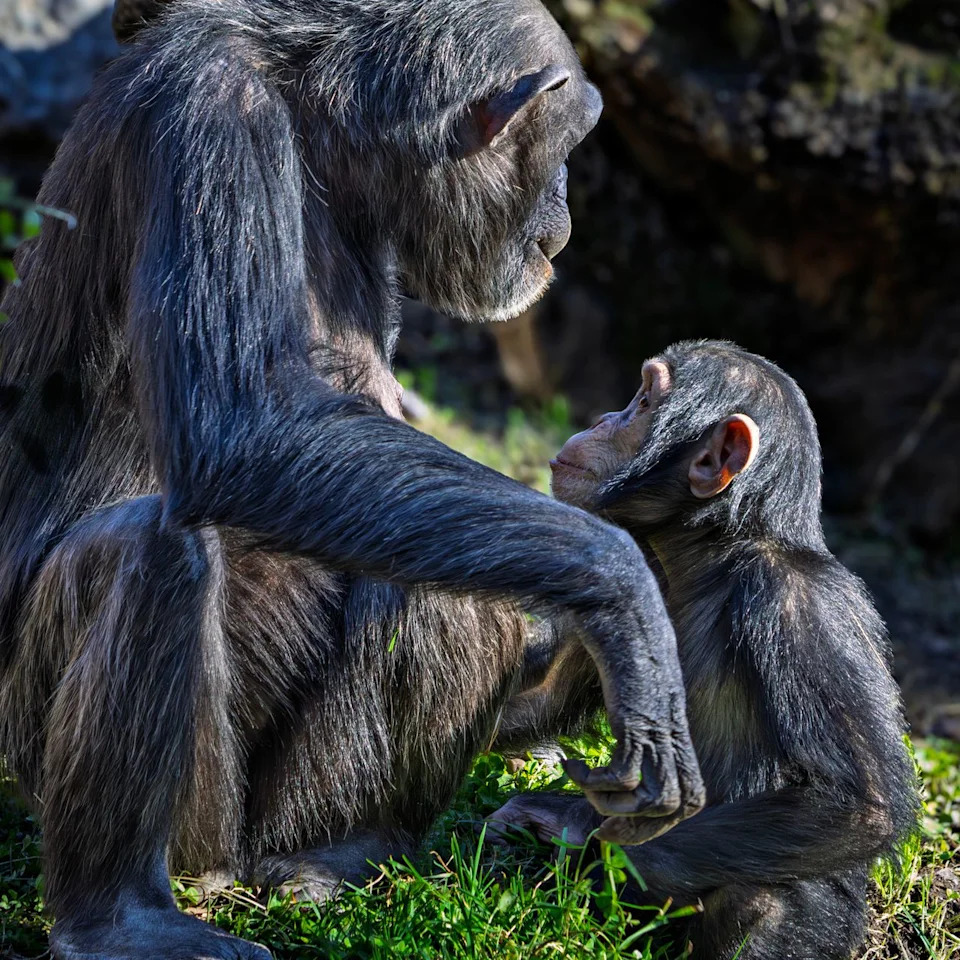
(Photo by Guerrero De la Luz via SWNS)
What This Suggests
Study leader Kassandra Giragosian, a doctoral researcher at Queen Mary University of London, says the developmental pattern points to a role for social interactions, local environmental conditions and other non-genetic influences in shaping vocal behavior. "Our findings show that chimpanzee vocalizations are not simply fixed from birth but continue to develop as young animals interact with their social and ecological environments," she said.
"By focusing on how communication changes over time, rather than only comparing adults from different populations, we can better understand the processes that shape vocal behaviour across species." — Kassandra Giragosian
Implications
Published in PLOS One, the paper provides the first direct evidence that population-specific vocal differences intensify during development in chimpanzees. While the research does not claim chimpanzees have language or human-like speech, it strengthens the view that primate vocal development is shaped by both biological and environmental factors and is more flexible than previously assumed.
Note: The study highlights developmental change in vocal patterns but does not assert human-equivalent grammar or lexicon in chimpanzee communication.
Help us improve.