Researchers at UCLA reviewed evidence that at least 65 animal species produce "play vocalizations"—acoustic signals functionally similar to human laughter. The study, published in Bioacoustics, catalogs sounds across many taxa, from primates to cows, dogs, foxes, seals, mongooses and several bird species. Some play calls are audible to humans, while others (like rats’ ultrasonic chirps) require special equipment. The authors argue these signals evolved to advertise play and safety and illuminate laughter’s deep evolutionary roots.
UCLA Study: At Least 65 Animal Species Produce Laugh‑Like ‘Play Vocalizations’

Foxes giggle like children on helium.
Laughter is a deeply rooted human impulse: most infants begin to laugh out loud at about 3 to 4 months, long before they speak or walk. But vocal expressions of play and enjoyment are not unique to people. A new review by researchers at UCLA finds that at least 65 animal species emit what the authors call “play vocalizations,” signals functionally similar to human laughter.
Study Details
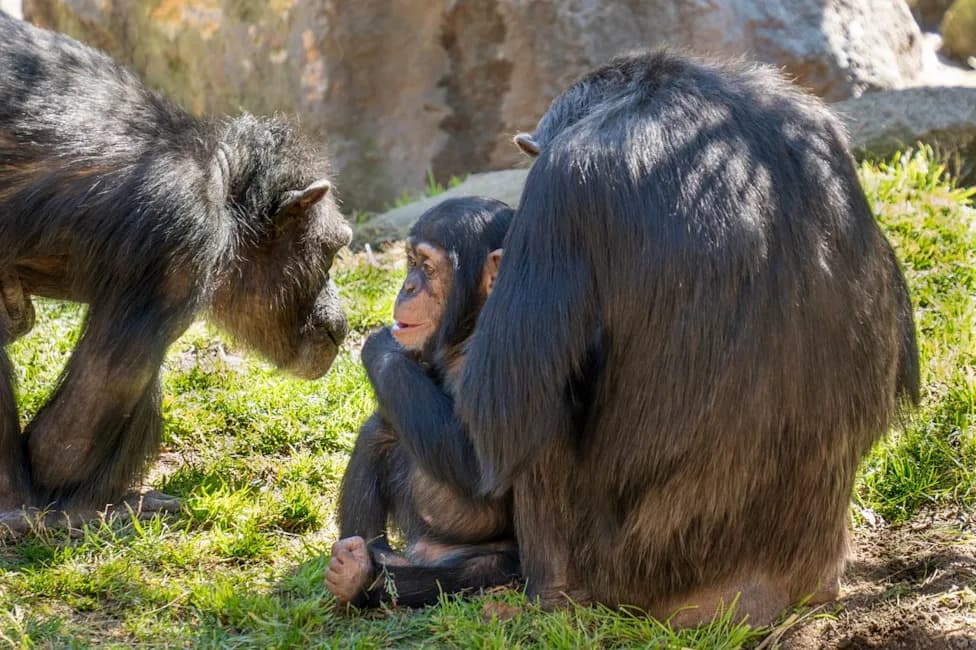
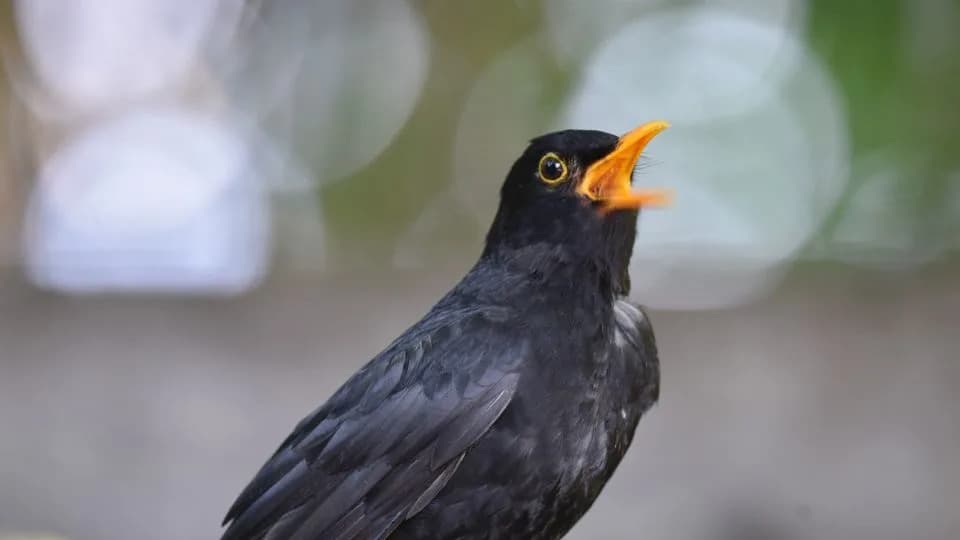
The study, led by primatologist Sasha Winkler (UCLA anthropology graduate student) and Greg Bryant (UCLA professor of communication), appears in the journal Bioacoustics. The authors compiled published observations and recordings across a wide range of species and concluded that play-related vocal sounds occur in many taxonomic groups. Well-known examples include apes and rats; less expected examples include domestic cows, dogs, foxes, seals, mongooses and three bird species.
How Play Sounds Vary
Winkler and Bryant categorized play vocalizations along multiple dimensions: noisy versus tonal, loud versus quiet, high- versus low-pitched, short versus long, and single calls versus rhythmic sequences. Their taxonomy highlights the wide variety of acoustic strategies animals use to convey play, affiliation and reduced threat.
Notable Examples and Challenges
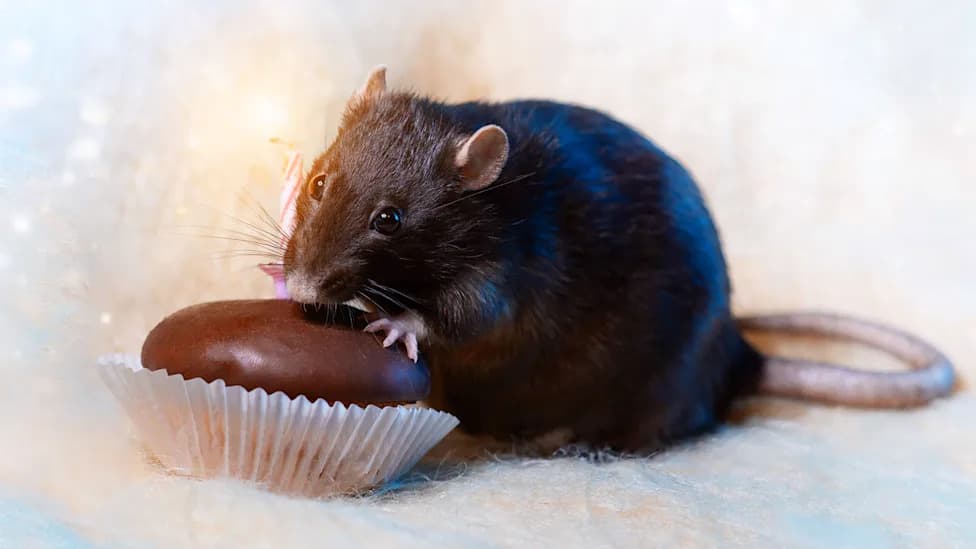
Some species produce play sounds that are obvious to human ears—certain primates and foxes, for example—while others vocalize at frequencies humans cannot hear without equipment. Research from Humboldt University of Berlin shows that rats emit ultrasonic calls when tickled and actively seek out tickling, indicating both enjoyment and communicative intent despite the calls being inaudible without special instruments.
“This work lays out nicely how a phenomenon once thought to be particularly human turns out to be closely tied to behavior shared with species separated from humans by tens of millions of years,” Greg Bryant said.
“When we laugh, we are often providing information to others that we are having fun and also inviting others to join,” Sasha Winkler said. “Some scholars have suggested that this kind of vocal behavior is shared across many animals who play, and as such, laughter is our human version of an evolutionarily old vocal play signal.”
Documenting play vocalizations in the wild can be difficult, especially for quiet or ultrasonic signals, but video and acoustic recordings increasingly capture these moments across species. Whether it’s a dog’s playful huff, a fox’s chuckle-like call, or ultrasonic chirps of a tickled rat, these behaviors appear to serve a common social purpose: advertising play, reducing tension, and signaling safety.
Source: Findings summarized from the study published in Bioacoustics. This article was adapted from an earlier Upworthy post and has been updated.
Help us improve.