Kilauea erupted just after 1:30 a.m. Thursday in its 45th eruptive episode since Dec. 23, 2024, sending lava fountains up to about 1,000 feet and a plume near 16,500 feet. The USGS reported the event followed renewed burbling from the caldera detected late Monday; the volcano last erupted on April 9. Officials say the main hazards are volcanic gas, tephra and Pele's Hair, and the activity is confined to a park area closed since 2007 with no immediate threat to nearby communities.
Kilauea Erupts Again — Lava Fountains Reach About 1,000 Feet in 45th Episode
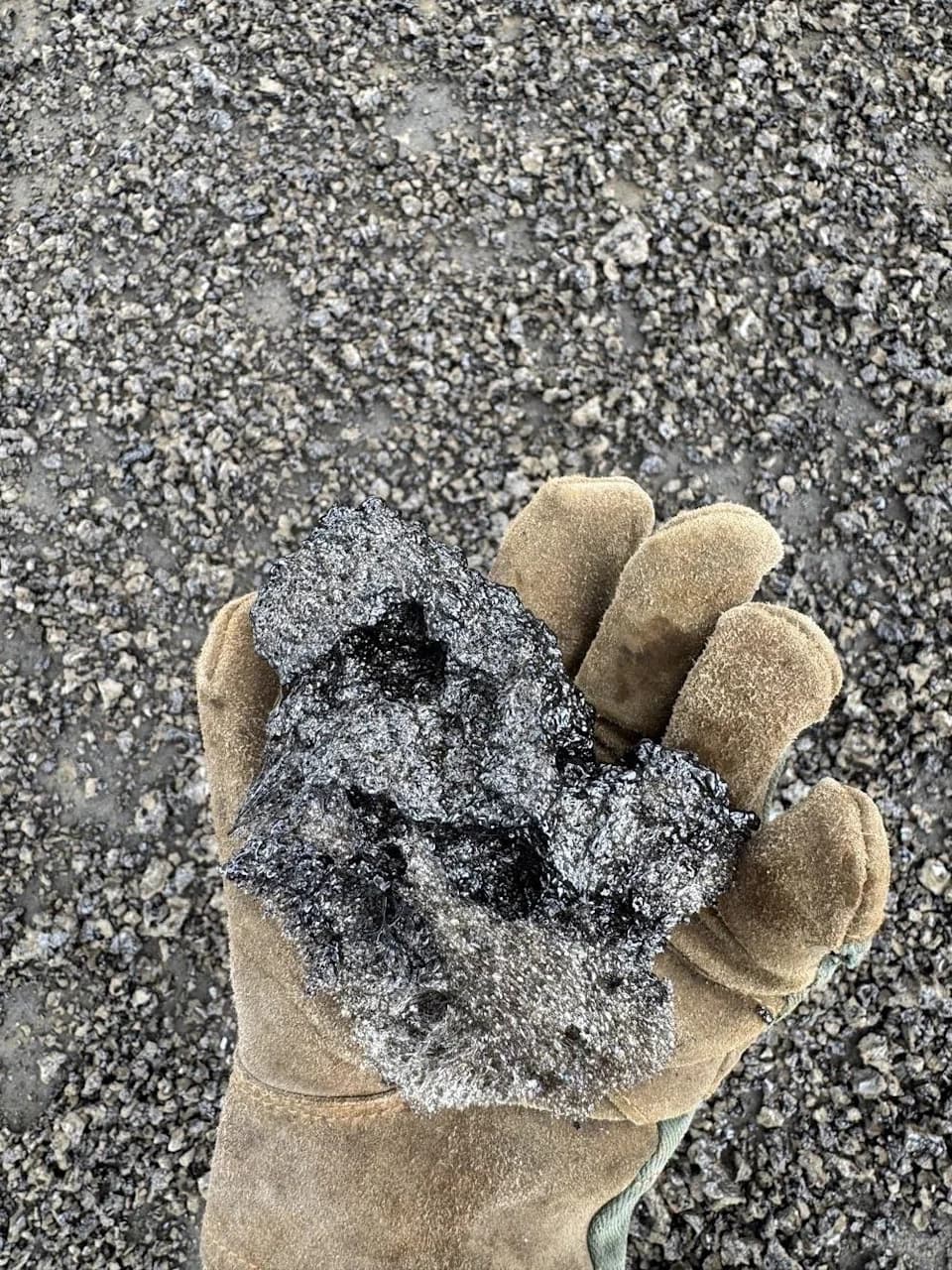
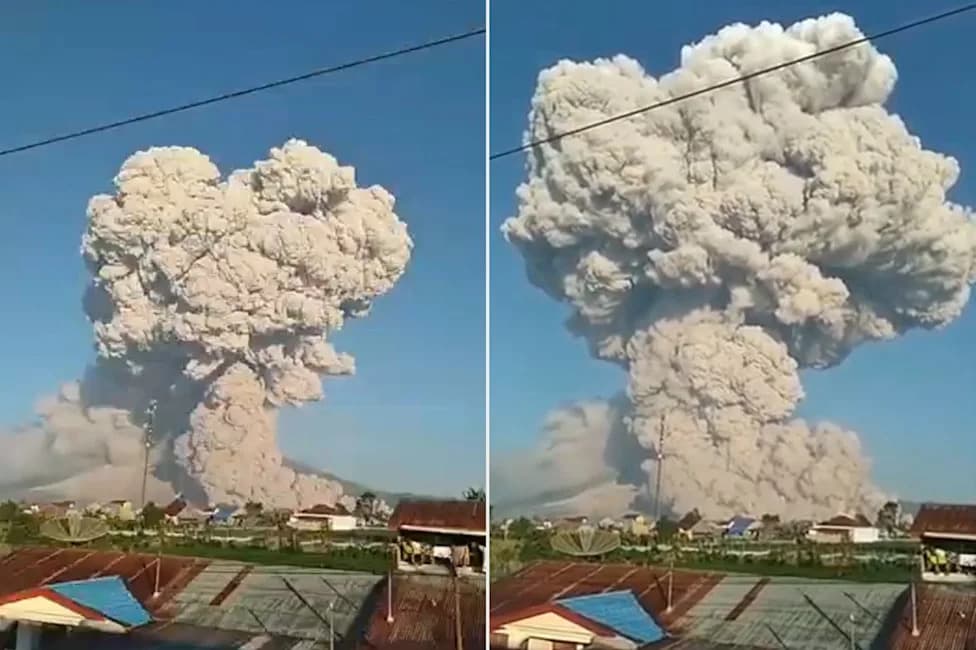
Tephra near the Kilauea Military Camp During Kilauea's 44th eruptive episode on Thursday, April 9, 2026.(FOX Weather)
HAWAII VOLCANOES NATIONAL PARK, Hawaii — Kilauea erupted just after 1:30 a.m. Thursday, marking the volcano's 45th eruptive episode since Dec. 23, 2024. The U.S. Geological Survey (USGS) reported that lava began to burble from the caldera late Monday, signaling renewed activity after a brief quiet period; the volcano's previous eruption occurred on April 9.
Eruption Details
In this episode, lava fountains reached roughly 1,000 feet, and volcanic smoke and ash rose to about 16,500 feet above sea level. The activity is confined to a section of Hawaii Volcanoes National Park on the Big Island that has been closed to the public since late 2007.
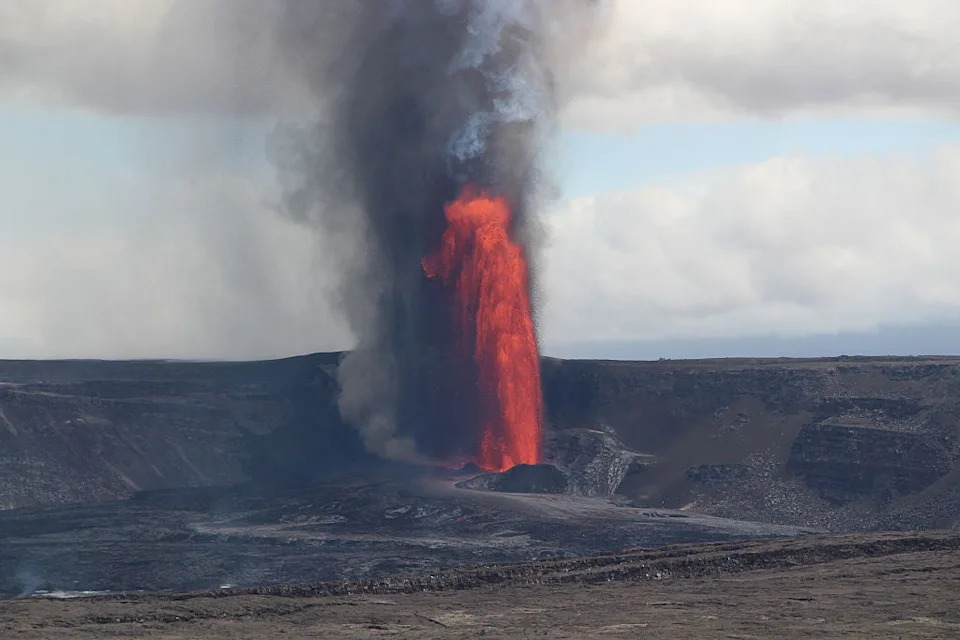
HAWAII, UNITED STATES - JUNE 12: Lava fountains rise over 500 feet above the western rim of Halemaumau crater during the ongoing 25th eruptive episode of the Klauea summit eruption in Hawaii, United States, on June 11, 2025.
Hazards and Public Safety
Authorities say the primary public hazards are volcanic gases and tephra — fragmented material ejected during eruptions — including thin glass fibers known as Pele's Hair. Pele's Hair forms when gas bubbles burst near the surface of molten lava and pull the lava into long, glassy threads. These fibers can be carried downwind and may lodge in skin or eyes, posing a nuisance and potential injury.
USGS monitoring indicates these effects are typical for Kilauea's frequent eruptive episodes and currently do not pose an immediate threat to nearby communities. Officials continue to monitor conditions closely and advise the public to respect park closures and avoid downwind areas to reduce exposure to ash, gas, and Pele's Hair.
What To Watch For
Scientists with the USGS Hawaiian Volcano Observatory remain on alert and will issue updates if conditions change. Visitors and residents should follow local and park authority guidance for road closures, air quality advisories, and safety instructions.
Help us improve.