A Colorado prosecutor charged a U.S. Customs and Border Protection officer with third-degree assault and criminal mischief after videos showed a masked agent seizing and carrying 57-year-old protester Franci Stagi during an Oct. 27 demonstration in Durango. The encounter — which Stagi says involved a chokehold and being thrown down an embankment — spotlights tensions between state prosecutions and federal immunity protections. Legal experts say federal supremacy and statutory defenses are strong but not absolute, leaving the case poised to test the limits of accountability for federal agents.
Colorado Charges Federal Immigration Officer After Protester Seized — Case May Test Limits Of Federal Immunity
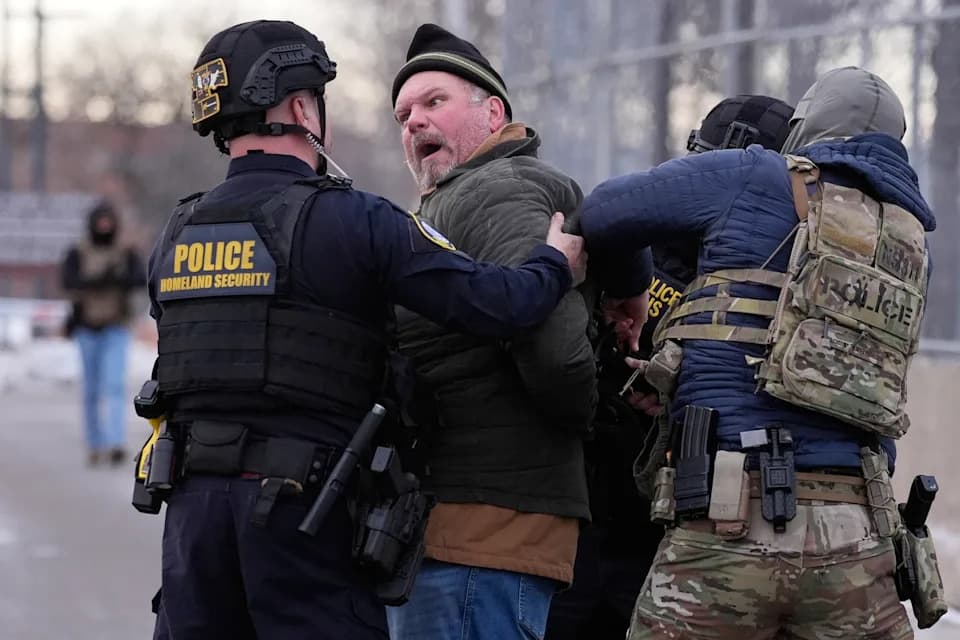
FILE - Law enforcement detain a man outside the Bishop Henry Whipple Federal Building during a protest, Jan. 17, 2026, in Minneapolis. (AP Photo/Yuki Iwamura, File)(ASSOCIATED PRESS)
A Colorado prosecutor has charged a federal immigration officer with third-degree assault and criminal mischief after video footage showed a masked agent seizing a 57-year-old protester and carrying her across a street during an Oct. 27 demonstration in Durango. The protest followed the detention of three Colombian asylum-seekers — a man and two children — who were stopped while on their way to school.
Multiple videos show the agent grabbing Franci Stagi, who says she was placed in a chokehold, carried by the head and thrown down an embankment. Stagi, a retired hypnotherapist, told investigators she reached for the agent’s shoulder to get his attention; she alleges he then grabbed her by the hair and placed her neck in the crook of his arm. Court filings identify U.S. Customs and Border Protection Officer Nicholas Rice as the defendant and accuse him of third-degree assault by causing bodily injury and criminal mischief. The court papers do not describe the specific injuries or use the word "chokehold," and they list no attorney for Rice.
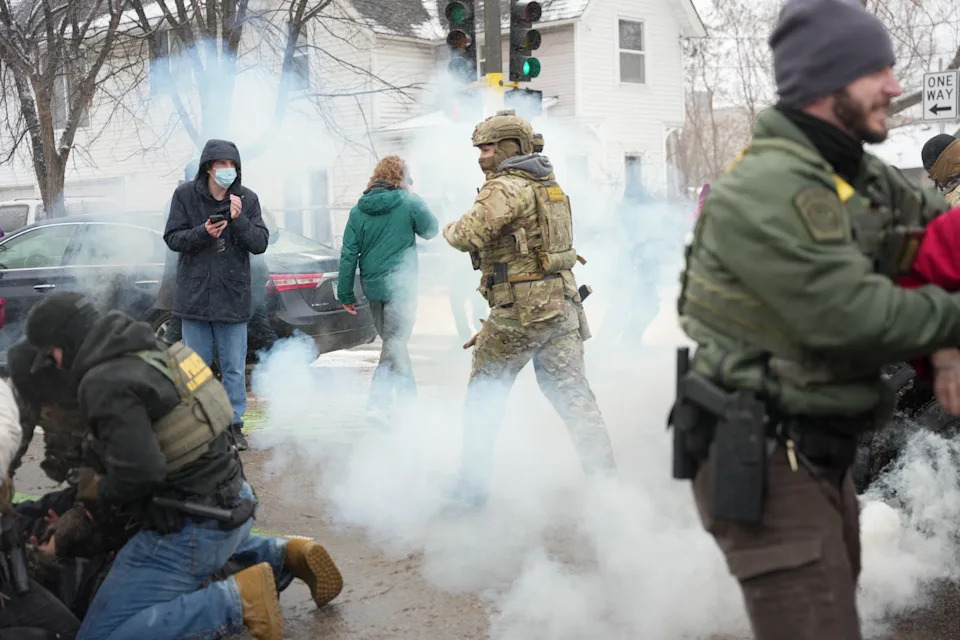
FILE - Tear gas is deployed as federal agents make arrests, Jan. 21, 2026, in Minneapolis. (AP Photo/Angelina Katsanis, File)(ASSOCIATED PRESS)
Why This Case Matters
The case raises broader questions about how far state and local authorities can go when investigating and prosecuting federal officers. Federal law and the Constitution’s supremacy clause provide substantial protections for federal agents acting in the scope of their duties, and the Justice Department has pushed back against state-level attempts to arrest or prosecute federal personnel.
In response to the Colorado charges, a Department of Homeland Security spokesperson said states "do not have the authority to investigate" federal officers and that such matters should be handled by federal agencies.
Legal scholars caution, however, that these protections are not absolute. Experts say the supremacy clause and federal statutes create strong defenses for federal officers but do not necessarily provide blanket immunity in every circumstance — leaving room for legal conflict and judicial interpretation.
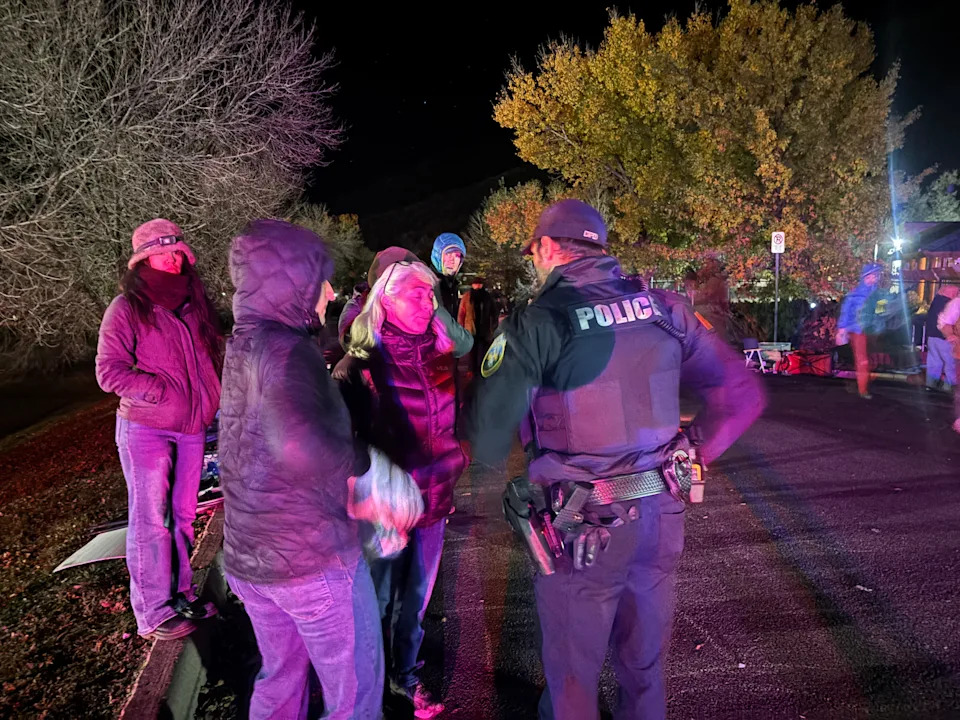
Franci Stagi center, speaks with a Durango, Colo., Police Department officer early Oct. 29, 2025, after an immigration officer allegedly assaulted her in Durango, Colo. (Scout Edmondson/Durango Herald via AP)(ASSOCIATED PRESS)
Related Incidents And Broader Scrutiny
This Colorado case comes amid several other high-profile actions involving immigration officers across the country. In Minnesota, a federal agent was charged this month with two counts of second-degree assault after prosecutors said he pointed a gun at occupants of a car on a Minneapolis-area highway; the agent reportedly said he feared for his safety after a vehicle swerved in front of him. Minnesota officials have also sued the federal government for access to evidence in probes of three shootings during immigration operations, including the deaths of Renee Good and Alex Pretti.
Outside Chicago, an off-duty ICE agent faces a misdemeanor battery charge for allegedly throwing a 68-year-old protester to the ground; Homeland Security officials said that agent claimed self-defense. In California, the New Year’s Eve shooting death of Keith Porter by an off-duty ICE agent prompted protests and demands for an independent investigation.
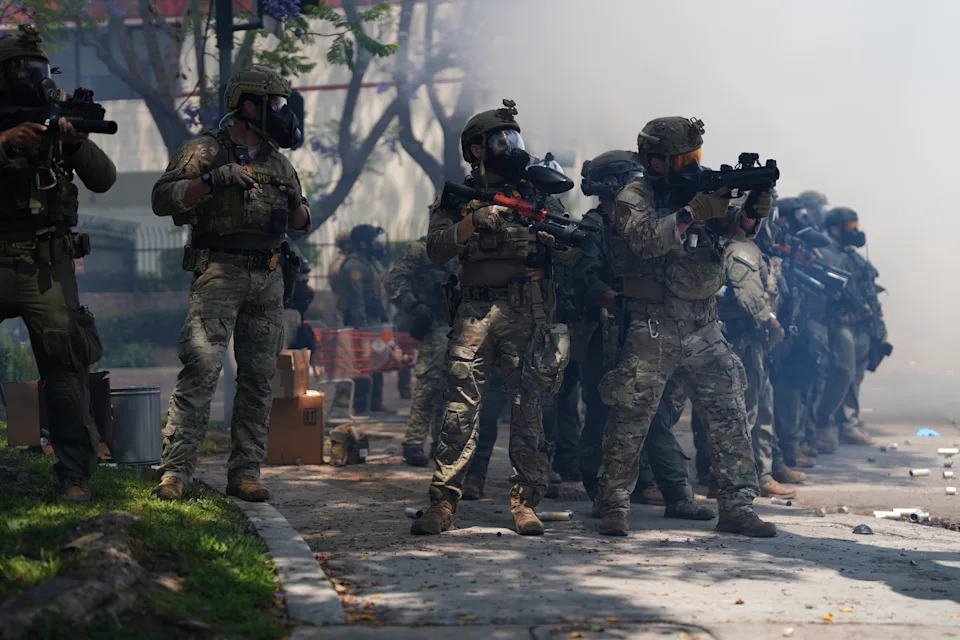
FILE - Law enforcement respond to protesters after federal immigration authorities conducted operations, June 7, 2025, in Paramount, Calif. (AP Photo/Eric Thayer, File)(ASSOCIATED PRESS)
Advocates have pointed to a rapid hiring surge at immigration agencies and reported lapses in vetting as factors intensifying scrutiny of officers' conduct. U.S. Customs and Border Protection has launched its own internal review in the Colorado case but did not immediately respond to questions about the criminal charges.
Stagi said she was disappointed the charges did not appear to address the chokehold allegation explicitly but hopes the prosecution signals that federal immigration officers can be held accountable for excessive force.
Help us improve.