The leading candidates to replace UN Secretary-General António Guterres—Michelle Bachelet, Rafael Grossi, Rebeca Grynspan and Macky Sall—faced three-hour interactive dialogues this week, emphasizing the need to restore trust in the UN and refocus on peace. While most avoided detailed policy commitments, they urged reforms, greater field presence and bolder action on humanitarian access. Observers warned that the Security Council’s permanent members may ultimately decide the successor behind closed doors.
UN Secretary-General Hopefuls Urge Restoring Trust, Stronger Peace Focus
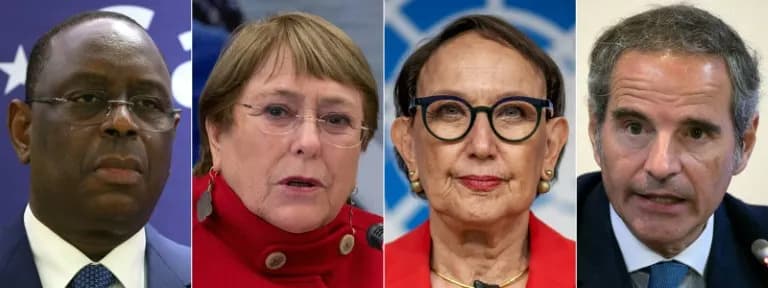
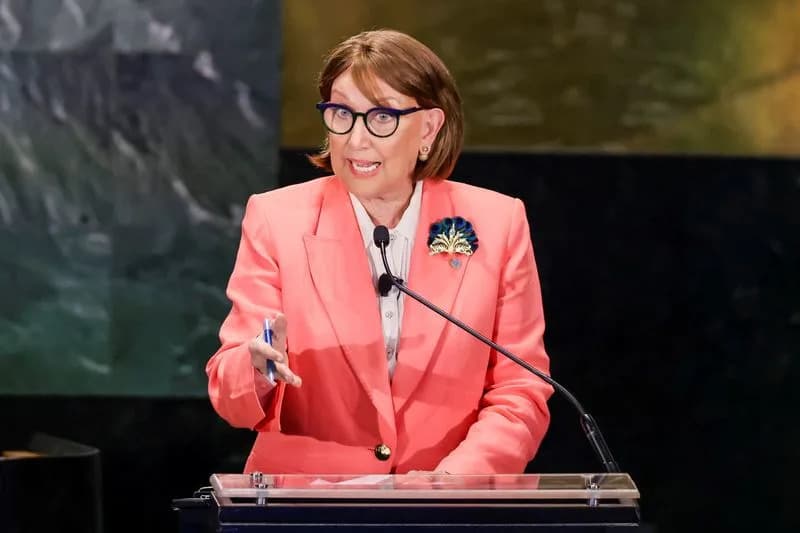
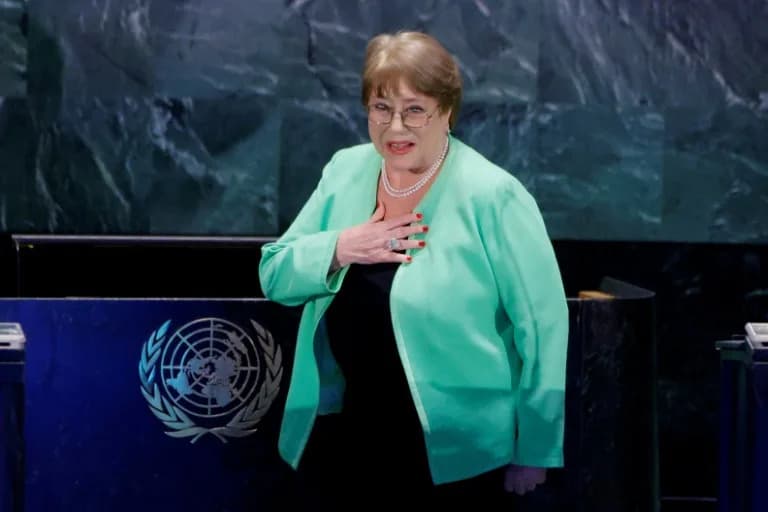
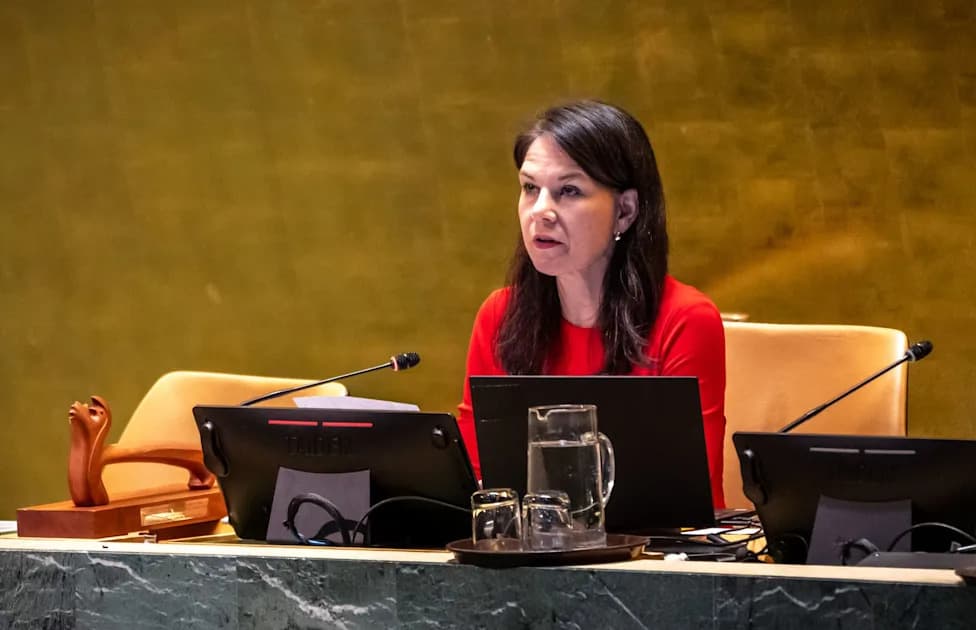
Senegal’s Macky Sall, Chile’s Michelle Bachelet, Costa Rica’s Rebeca Grynspan and Argentina’s Rafael Grossi, and are all hoping to succeed Antonio Guterres as UN secretary-general (Simon Wohlfahrt)(Simon Wohlfahrt/AFP/AFP)
Candidates to succeed UN Secretary-General António Guterres presented themselves this week as defenders of peace and advocates for a United Nations that must rebuild public trust and relevance.
Hearings and Who's Running
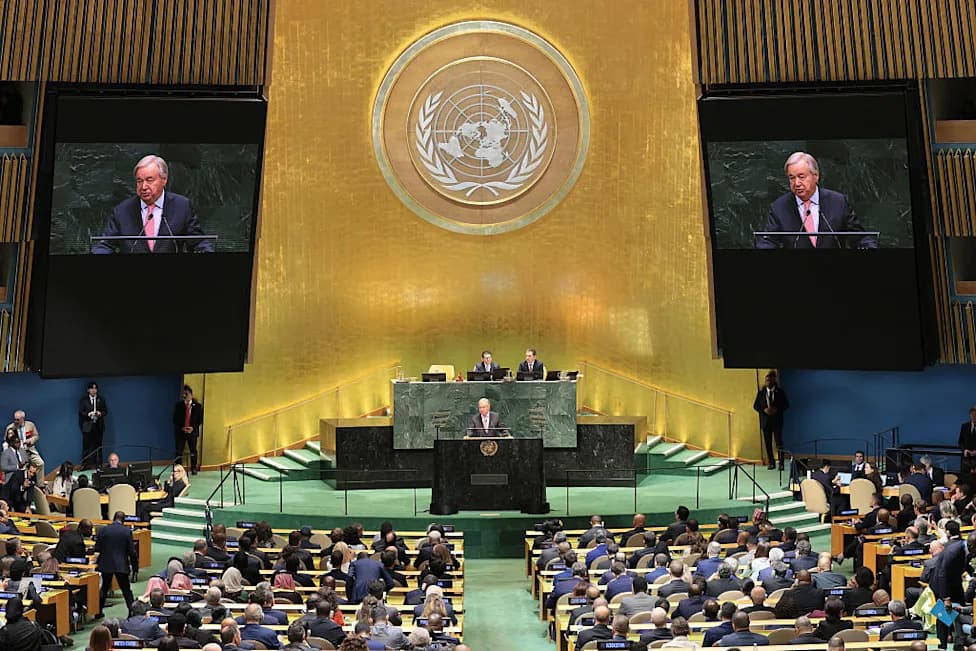
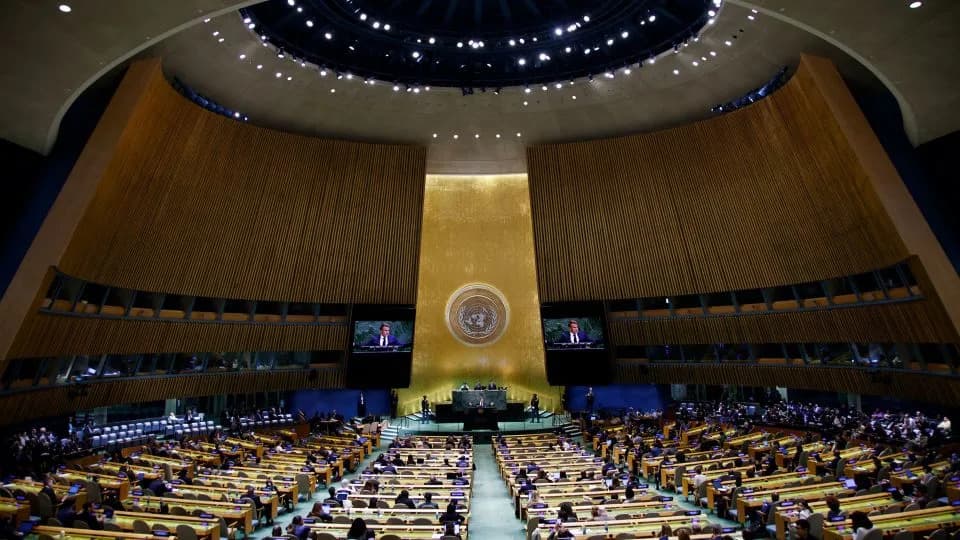
Chile's Michelle Bachelet, Argentina's Rafael Grossi, Costa Rica's Rebeca Grynspan and Senegal's Macky Sall each took part in three-hour "interactive dialogue" sessions with representatives of the UN's 193 member states and civil society. The format, first introduced in 2016, gives candidates a public forum to outline priorities ahead of the formal selection process.
"A lot of diplomats are a bit cynical about the hearings," Richard Gowan of the International Crisis Group told AFP, expressing concern that the Security Council's permanent members may decide the outcome behind closed doors.
Calls for Reform and Field Presence
Across the sessions, candidates stressed the urgent need to restore confidence in an organization facing severe financial strain and questions about its relevance amid rising global conflict. Grossi warned that the UN is "fragile" and signaled openness to more ambitious reforms. Bachelet and Grossi both argued the secretary-general should be physically present in the field when problems demand direct engagement. Sall called for a "reinvented role" so the UN can "regain its place at the global table."
Where They Stood on Specific Crises
Most candidates avoided prescribing detailed policy on active conflicts, instead repeatedly invoking commitment to the UN Charter. When pressed on Gaza, Grynspan called for unrestricted humanitarian access and reaffirmed support for a durable two-state solution to enable Israelis and Palestinians to live side by side in peace and security. Sall described the situation as a "human tragedy."
Politics and the Selection Process
Under UN rules the General Assembly elects the secretary-general only after a recommendation from the Security Council, where the five permanent members (the United States, China, Russia, Britain and France) hold veto power. Observers noted that the candidates' past records will shape member states' preferences: U.S. Republican lawmakers have urged Washington to block Bachelet over her defense of abortion rights, while Grossi's role as head of the International Atomic Energy Agency links him to sensitive issues such as Iran's nuclear programme.
What Comes Next
The five permanent Security Council members have not revealed their preferences, and other candidates may still declare. As debate continues, the interactive dialogues have offered a public snapshot of contenders' priorities—rebuilding trust, prioritizing peace, and exploring how the UN can act more boldly in crises.
Help us improve.