The New York Times published a 16-page leak of Supreme Court memos showing Chief Justice John Roberts urging quick intervention in 2016 to block the Clean Power Plan. Experts say the disclosure renews criticism of the Court’s "shadow docket," but many argue the more urgent issue is the apparent partisan motivation behind the leak. The memos have triggered political backlash, speculation about the source, and renewed calls for greater transparency and accountability.
Leaked Supreme Court Memos Spotlight Roberts’ Role; Experts Say Leak Aims To Undermine Court
Latest SCOTUS leak a gift to liberals ‘salivating’ over control of high court narrative: experts
A newly published 16-page leak of internal Supreme Court memos, released Saturday by The New York Times, shows Chief Justice John Roberts urging a swift, 5-4 intervention in 2016 to block President Barack Obama’s Clean Power Plan. The disclosure has reignited debate over the Court’s so-called "shadow docket" and prompted experts to argue the leak itself appears intended to damage the institution’s credibility.
What the Memos Show
The memos provide a rare inside look at February 2016 deliberations. According to the documents, Roberts urged colleagues to act quickly to stay the Clean Power Plan while only the D.C. Circuit had reviewed the rule. The internal correspondence includes dissenting notes—Justice Elena Kagan, for example, wrote that "the unique nature of the relief sought in these applications gives me real pause." Within days, the Court issued a terse, ideologically split order temporarily blocking the rule.
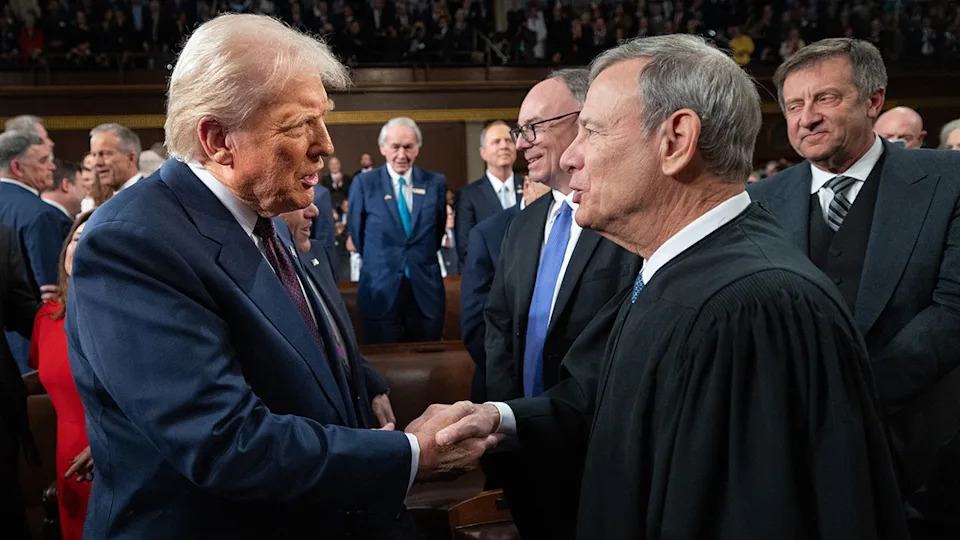
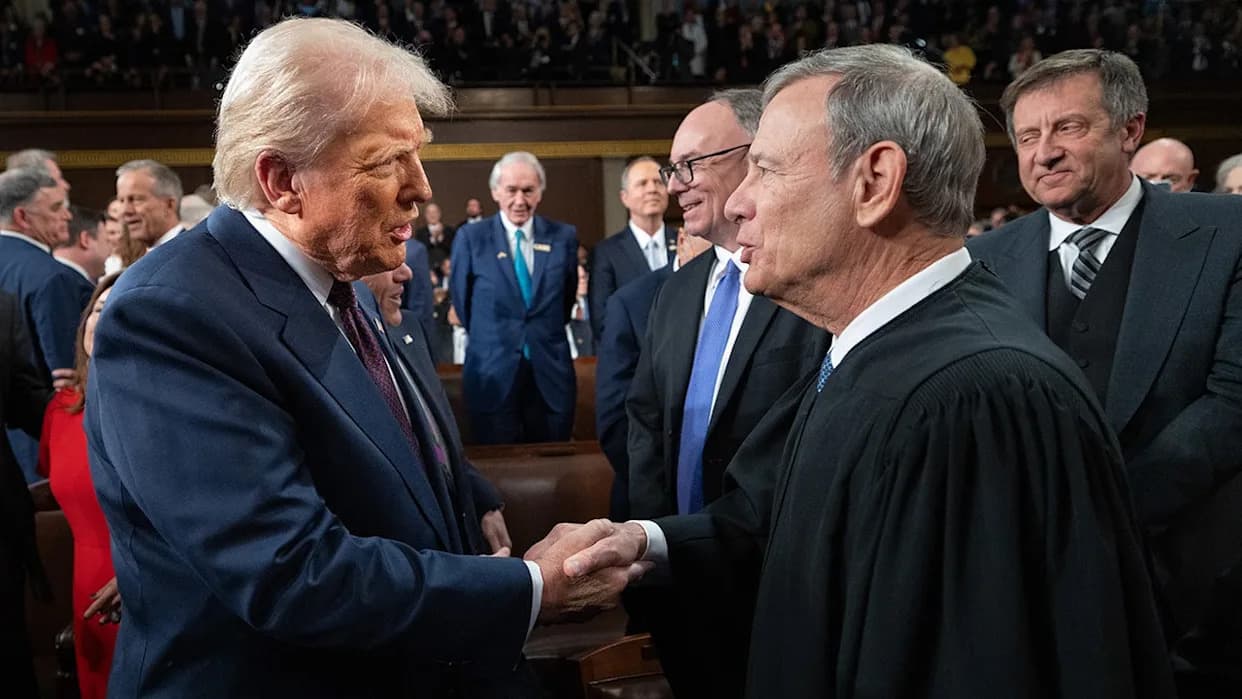
President Donald Trump greets Chief Justice John G. Roberts Jr. as he arrives to deliver an address to a joint session of Congress at the U.S. Capitol in Washington, D.C., on March 4, 2025.(Getty Images)
Reactions From Legal Experts
"The liberals are salivating over this. They're very happy because it reinforces their narrative,"
said Josh Blackman of South Texas College of Law, who called the leak a partisan effort aimed at hurting the Court and Chief Justice Roberts in particular. George Washington University law professor Jonathan Turley described the disclosure as "purely malicious," contrasting it with the 2022 Dobbs draft leak and arguing this incident appears meant to embarrass or disrupt the Court rather than influence an active ruling.
Environmental Defense Fund General Counsel Vickie Patton said the memos underscore concerns about how abrupt stays helped inaugurate the Court's use of hastily issued, unexplained "shadow docket" orders to reshape major policy.
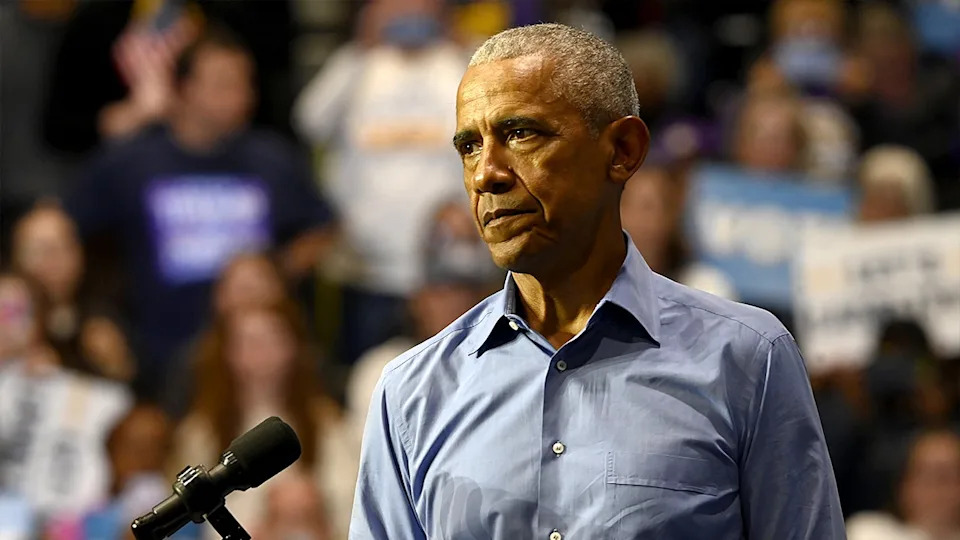
Former President Barack Obama speaks to supporters during a get-out-the-vote rally at Essex County College gymnasium in Newark, N.J., on Nov. 1.
Political Fallout and Accountability
Speculation in legal circles centers on whether a current liberal justice, a retired justice, or a former clerk supplied the memos to reporters. The same New York Times reporters reportedly received a smaller leak in 2024. Conservative lawmakers and commentators called the leak a coordinated effort to undermine the judiciary: Senator Josh Hawley said the memos were "100%" meant to discredit the Court, while Representative Jamie Raskin has pushed for greater transparency in emergency-docket decisions.
Experts note accountability will be difficult. Statutes of limitations, the confidential nature of internal court documents, and limited professional penalties make criminal or disciplinary recourse complicated. Blackman warned the leaker could face little consequence and might even be lauded by some.
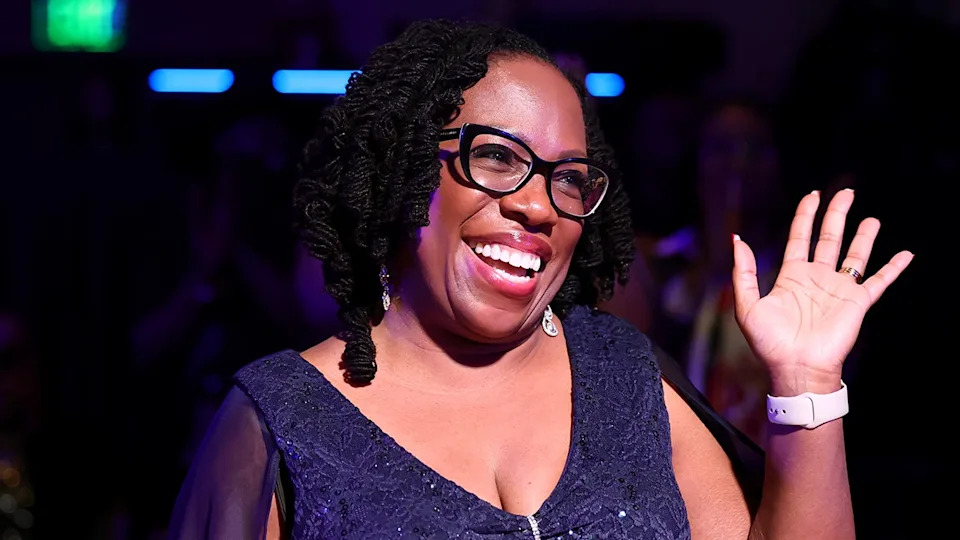
Ketanji Brown Jackson attends the 2026 Recording Academy Honors presented by The Black Music Collective during the 68th Grammy Awards Jan. 29, 2026, in Los Angeles.
Context and Next Steps
Critics of the shadow docket argue that an increase in short, unexplained emergency orders has eroded public trust and allowed major policies to be altered with limited explanation. Supporters of the Court's emergency mechanisms say they are necessary to provide rapid relief in urgent circumstances when lower courts issue restraining orders or injunctions.
The Supreme Court's press office did not respond to requests for comment. Observers say more documents could surface, and the disclosure is likely to intensify calls for procedural reforms and greater transparency around emergency docket decisions.
Help us improve.