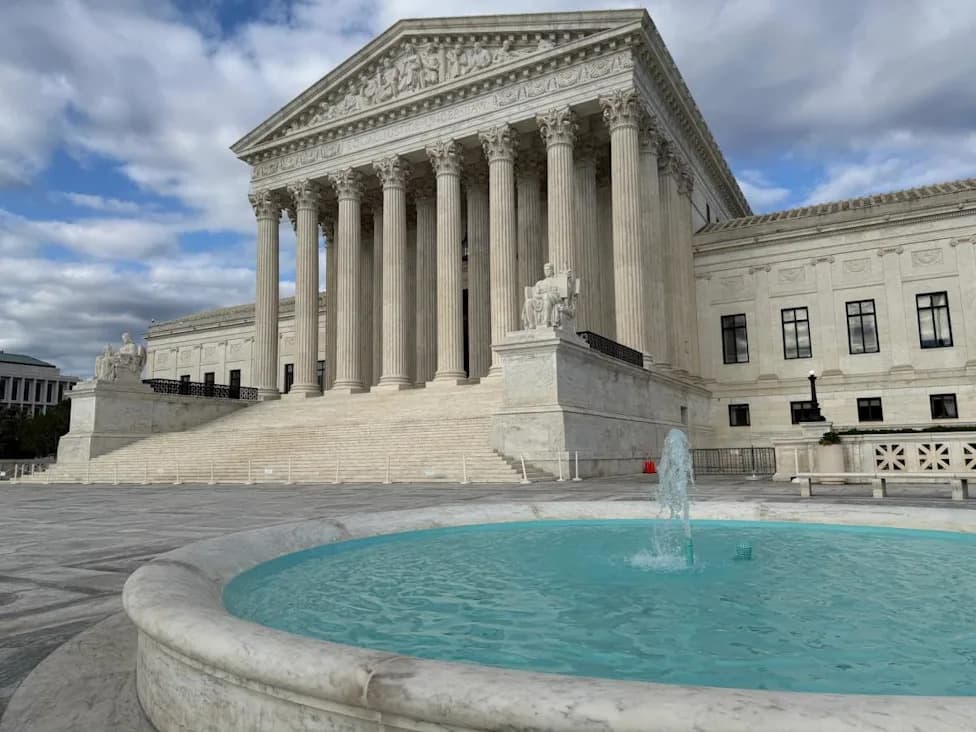
The SCOTUSblog Summit at Johns Hopkins featured Elizabeth Prelogar reflecting on clerking for Justices Ginsburg and Kagan, her oral-argument preparation, and the significance of United States v. Rahimi. Senators Dick Durbin and Rep. Darrell Issa clashed over life tenure, the filibuster’s elimination for judicial nominees, and the Court’s use of the emergency docket. Corporate general counsels from TD Bank US, Boeing and ExxonMobil discussed how businesses decide whether to seek Supreme Court review and whether the Court favors commercial interests.
Durbin and Issa Clash Over Court Reform As Prelogar, Corporate GCs Weigh In at SCOTUSblog Summit
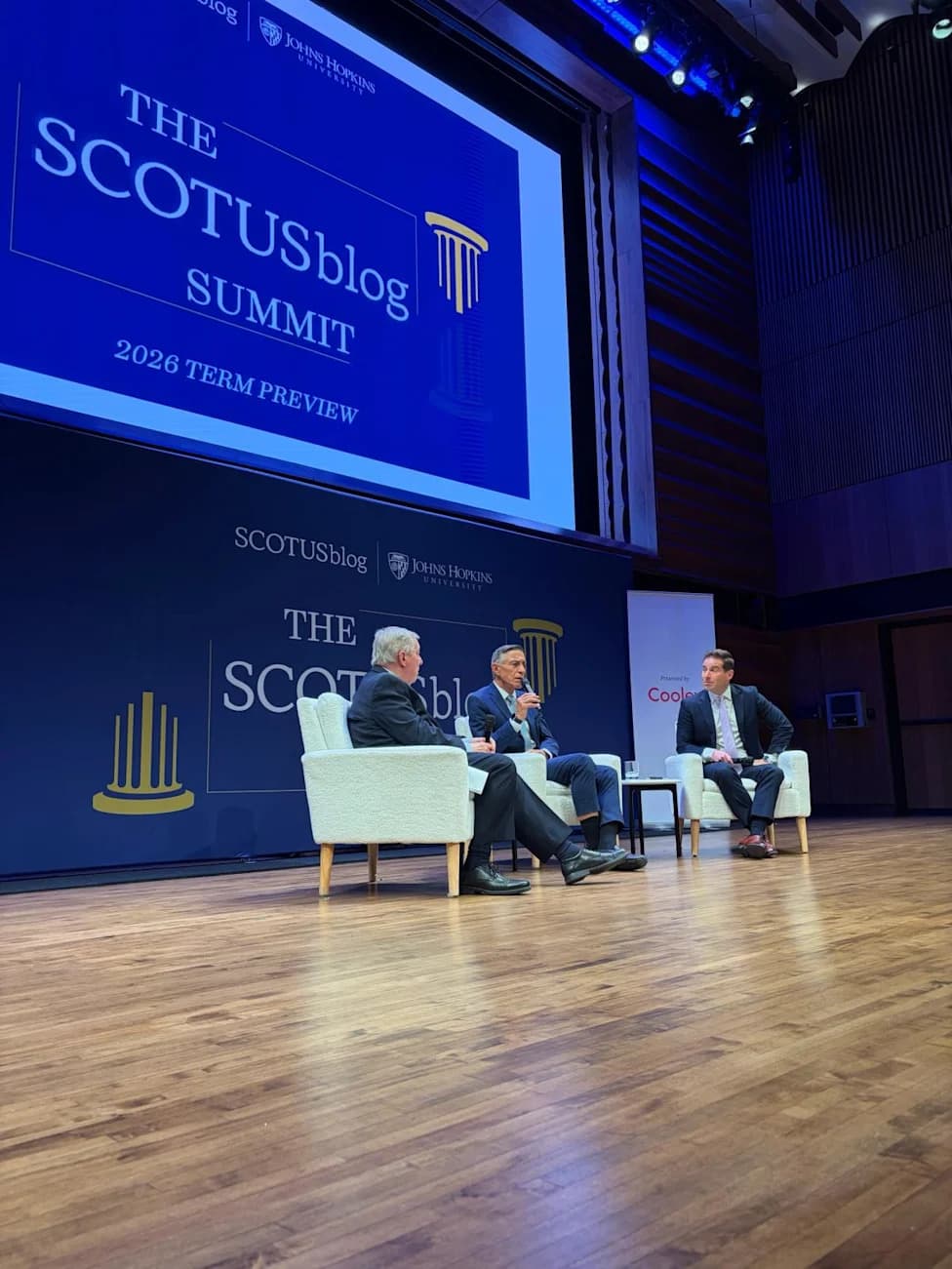
(Kelsey Dallas)
The annual SCOTUSblog Summit at Johns Hopkins University's Bloomberg Center brought together former government lawyers, lawmakers and corporate general counsels for wide-ranging discussions about the Supreme Court’s role, confirmation dynamics and when businesses should seek review at the high court.
Prelogar on Clerking, Oral Arguments and Rahimi
Elizabeth Prelogar, who served as U.S. solicitor general under President Biden and now leads Cooley’s Supreme Court and appellate practice, opened the Summit with a fireside chat. She recounted an uncommon clerkship path: a year with Justice Ruth Bader Ginsburg followed by a year with Justice Elena Kagan. Prelogar described Ginsburg as intensely fact-focused—seeing cases as disputes about "real people with real problems"—while Kagan, newly on the Court at the time, involved clerks in building chamber practices and in robust, collaborative argument preparation.
Reflecting on her own oral-argument routine, Prelogar said her preparation "evolved over time," particularly while serving as solicitor general. She described becoming "ruthlessly efficient," sometimes compiling as many as 250 potential questions and preparing answers. Over 12 years she has argued 36 cases before the Court, a background that gives her confidence but not complacency: experience can lessen nerves, she said, but it never eliminates the pressure entirely.
Prelogar singled out United States v. Rahimi as especially meaningful. The case upheld a federal statute that bars people subject to domestic-violence restraining orders from possessing firearms. She emphasized the stakes were tangible: Congress recognized the real-world danger that firearms can transform abuse into homicide, and the solicitor general’s office had to be strategic about which Second Amendment case to bring to the Court.
Durbin and Issa: Term Limits, Filibuster and the Emergency Docket
CNN legal analyst Elie Honig moderated a candid conversation between Sen. Dick Durbin (D-Ill.) and Rep. Darrell Issa (R-Calif.) about the relationship between Congress and the judiciary. The lawmakers sparred over life tenure, confirmation rules and the Court’s growing use of the emergency (or "shadow") docket.
Life Tenure and Term Limits: Issa urged caution about dismantling long-standing institutions without clear alternatives, arguing life tenure preserves judicial independence while noting concerns about judges who serve past the point of full productivity. Durbin responded wryly that whether life tenure is appropriate "depends on the judge."
The Filibuster and Up-or-Down Votes: Durbin defended the 2013 and 2017 changes that ended the filibuster for many judicial nominees as a response to persistent obstruction, but he acknowledged those moves made Supreme Court confirmations more partisan. Issa said the Senate should provide timely up-or-down votes to avoid unreasonable delays. Both said an appropriately qualified nominee from any president should receive a vote.
Court Composition and Reform Proposals: Issa opposed a constitutional amendment to cap the Court at nine justices, calling it unnecessary if the system is functioning. Durbin called proposals to change the Court’s size largely theoretical given the political obstacles they would face.
Emergency Docket: The pair also disagreed on criticism of the Court’s frequent use of emergency relief. Durbin said critics have a point and asked that the Court more often explain its holdings; Issa argued that pressing the Court to hear everything on the merits would force it to use the procedural tools it already has, and he defended the justices' efforts under current constraints.
Corporate Counsel on Business Cases and When to Seek Review
David Lat interviewed three chief legal officers: Brian Callanan (TD Bank US), Brett Gerry (Boeing) and Jeffrey Taylor (ExxonMobil). They discussed whether the Roberts Court is "pro- or anti-business," how companies decide to seek Supreme Court review and which business disputes belong at the high court.
Taylor noted ExxonMobil’s involvement in several cases and said the company is one of two energy firms in Suncor Energy v. County Commissioners of Boulder County, which the Court will hear this October. He stressed that companies try to be measured in seeking review, weighing whether an issue is existential versus an operational irritant and using outside counsel with Supreme Court experience.
Gerry and Callanan said the label "pro-business" is often misleading: outcomes depend on the facts and whose interests are at stake. A tariffs decision, for example, can benefit some domestic businesses while disadvantaging importers. All three counsels said the bar for Supreme Court review is high but that they will pursue certiorari when the legal question is significant and their position is strong.
Bottom Line
The Summit combined practical courtroom insights from a former solicitor general with politically pointed debate over reforms that could reshape the federal judiciary, alongside candid discussions from corporate counsel about when businesses should escalate legal disputes to the Supreme Court.
Help us improve.