Researchers combined minoxidil with a dissolving microneedle patch that includes stevioside from the Stevia plant to improve drug solubility and scalp absorption. In mouse models of androgenetic alopecia the patch produced hair regrowth across 67% of treated areas after 35 days versus 25% for controls. The work, published in Advanced Healthcare Materials (2025), is a promising animal proof of concept; clinical trials are still needed to confirm safety and effectiveness in humans.
Common Sweetener Stevioside Boosts Minoxidil Delivery With Dissolving Microneedle Patch, Study Finds
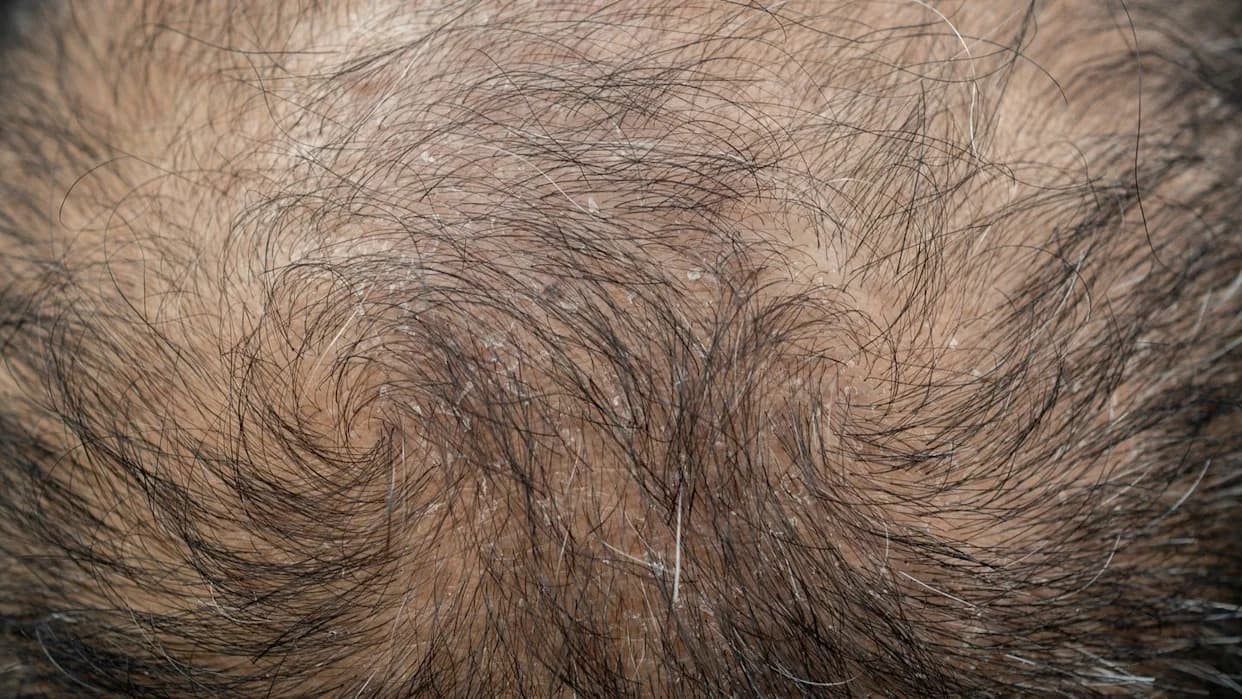
Scientists Found a Weird Way to Treat Hair LossBoy_Anupong - Getty Images
Researchers in China and Australia report a novel dissolving microneedle patch that uses stevioside—a natural sweetener extracted from the Stevia plant—to improve the solubility and scalp delivery of minoxidil, the active ingredient in many over-the-counter hair-growth products. The work, published in Advanced Healthcare Materials (2025), combines mechanical microneedling with a chemical solubilizer to tackle key limitations of topical minoxidil.
Why This Matters
Minoxidil is widely used to treat androgenetic alopecia (pattern hair loss) but suffers from poor water solubility and limited skin permeability when applied topically. Clinicians sometimes pair minoxidil with microneedling—tiny punctures to the scalp—to increase absorption and to stimulate local growth factors. The new patch performs both functions in a single, dissolving device while using stevioside (STV) as a solubilizing agent to boost minoxidil's bioavailability.
How the Patch Works
The dissolving microneedle patch contains microneedles that create microscopic channels in the scalp to aid physical penetration. Simultaneously, stevioside helps solubilize and carry minoxidil into the skin. According to the study authors, this dual-action approach aims to improve onset, dosing accuracy, and drug penetration compared with traditional topical formulations.
“Using STV as a novel solubilizing agent, we incorporated minoxidil into a dissolving microneedle patch, which was used to enhance the solubility and bioavailability of minoxidil and overcome the limitations of traditional carrier single-function approaches,” the authors wrote. “This method not only enhances drug penetration into skin but also eliminates other issues associated with traditional topical formulations, such as slow onset of action and/or inaccurate dosing.”
Biological Rationale
The study reiterates the commonly accepted mechanism behind androgenetic alopecia: the enzyme 5α-reductase converts testosterone into dihydrotestosterone (DHT), which can cause apoptosis of keratin-producing cells and contribute to follicle miniaturization. Minoxidil counters these effects via several actions: suppressing certain enzymes, inhibiting androgen receptor pathways that reduce DHT formation or binding, and increasing aromatase activity to convert some testosterone into estradiol, a hormone that can support hair growth.
What the Experiments Showed
In mouse models of androgenetic alopecia, the STV–minoxidil dissolving microneedle patch produced hair regrowth across 67% of the treated area after 35 days, compared with 25% in control animals. These results provide a promising proof of concept in animals, indicating that combining a solubilizing excipient with microneedle delivery may substantially improve topical minoxidil performance.
Limitations and Next Steps
The authors and external experts emphasize caution: rodent hair cycles and skin differ from those of humans, and human androgenetic alopecia involves multiple genetic, hormonal, and environmental factors. Lifeng Kang, a co-author from the University of Sydney, told Gizmodo that clinical trials are essential to confirm safety, tolerability, dosing, and effectiveness in people. Potential human considerations include scalp irritation, patch tolerability, manufacturing consistency, and regulatory approval.
While the results are encouraging, the patch is currently an animal-model proof of concept. Further preclinical safety work and rigorously designed human clinical trials will be needed before this Stevia-derived delivery system could become a consumer product.
Bottom Line
The study introduces an innovative, dual-action approach—mechanical microneedling plus a stevioside solubilizer—to improve topical minoxidil delivery. Early animal results are promising, but human trials are required to determine whether the approach is safe, effective, and practical for treating pattern hair loss in people.
Help us improve.