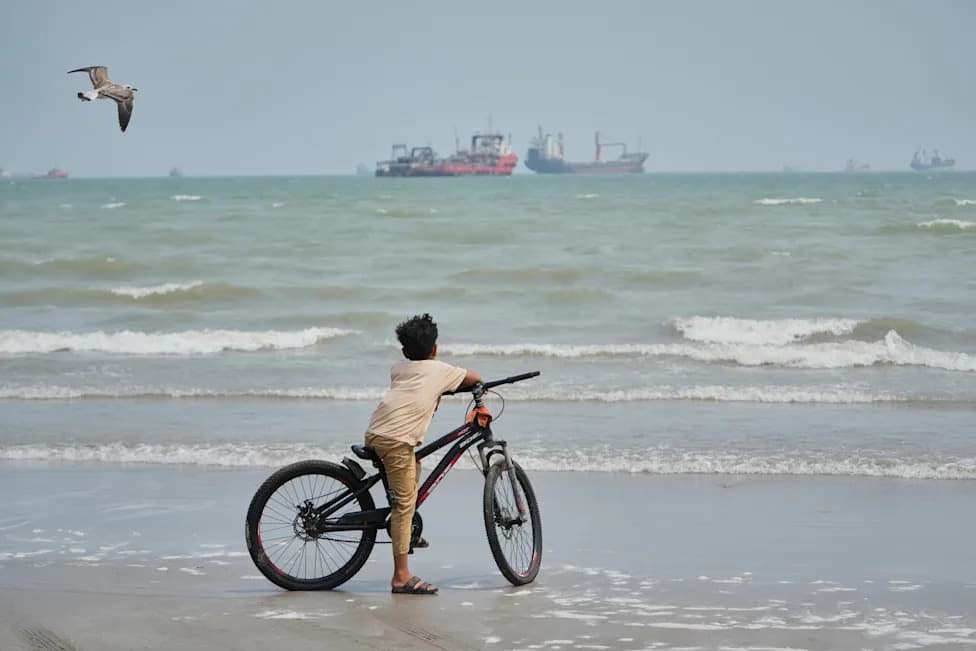
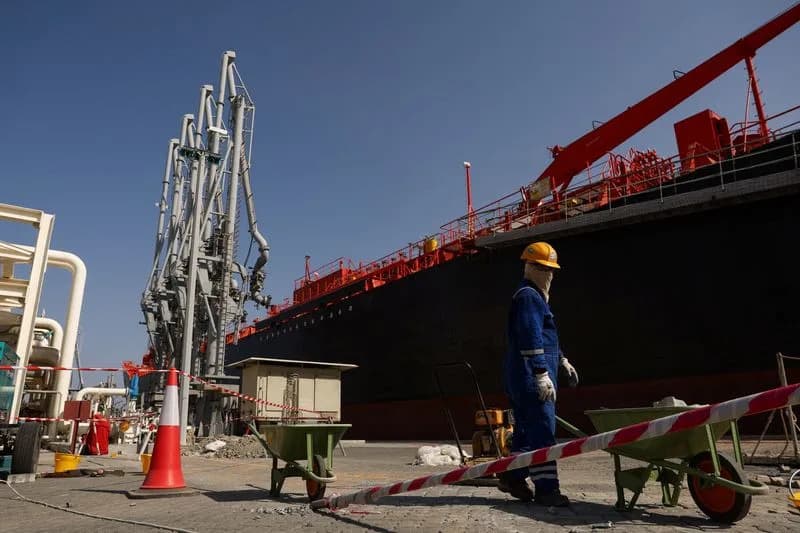
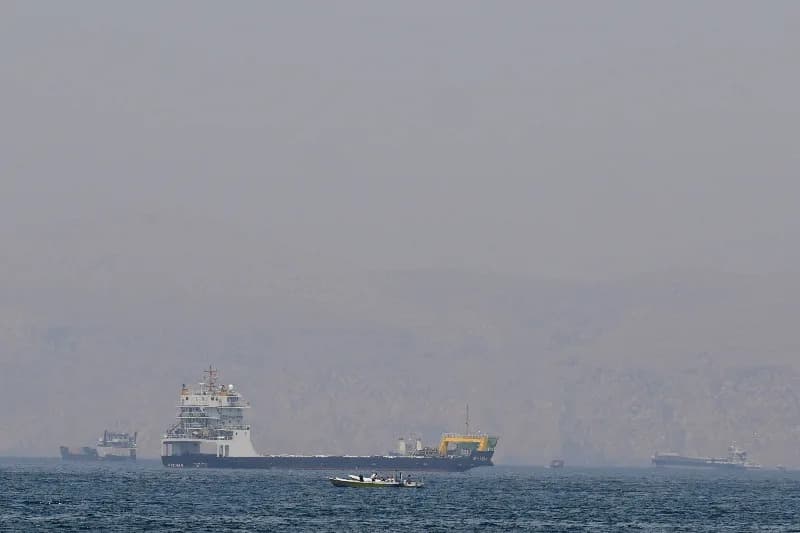
Strait Of Hormuz Crisis Is Driving Gulf States To Rethink Trade. After Iran demonstrated it can halt seaborne traffic, Gulf governments are accelerating plans to reroute oil and goods via pipelines, ports, and overland corridors. Saudi Arabia and the UAE are expanding west-coast export capacity while IMEC has regained attention. Analysts warn the disruption could impose roughly $50 billion in annual costs, mostly on Gulf states.
Gulf Trade Rewired: How the Strait of Hormuz Crisis Is Forcing a Logistics Overhaul
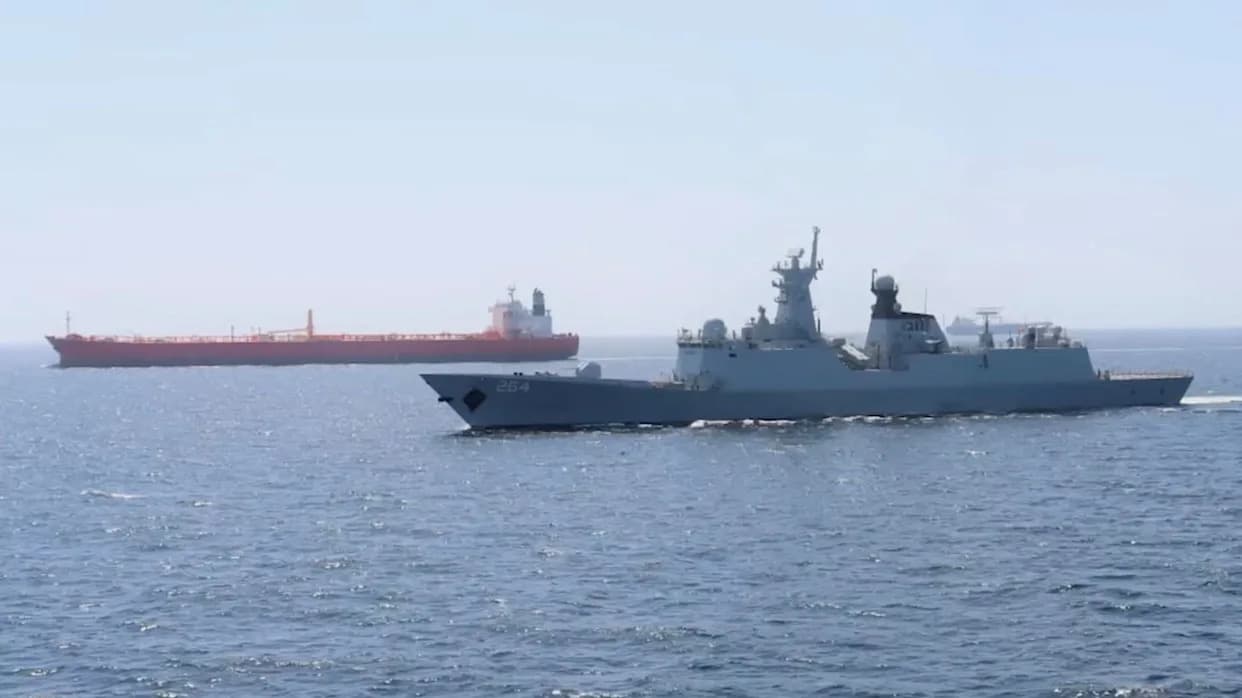
The crisis in the Strait of Hormuz is already reshaping trade across the Gulf, prompting governments and logistics firms to race for alternatives after Tehran demonstrated it can halt seaborne traffic. Policymakers at the Semafor World Economy meetings in Washington, D.C., described growing determination to build routes that reduce dependence on the narrow channel.
New Routes and Investments
The UAE is accelerating plans to boost pipeline capacity to Fujairah — a port outside the Gulf — and to attract investment in Khor Fakkan to expand export and transshipment options. Bahrain plans to truck aluminium through Saudi Arabia to regional buyers and then route shipments via Saudi Red Sea ports to international markets. Long-discussed links such as a Qatar–Bahrain connection and a second Bahrain–Saudi causeway may be expedited, while momentum grows for a broader regional rail network.
Saudi Arabia at the Center
Saudi Arabia has moved quickly to seize a central logistics role. Investments made decades ago — notably an underground pipeline that moves crude from the Eastern Province to the west coast — have become strategically invaluable. Riyadh has launched new shipping lines from west-coast ports, developed NEOM’s port into an important conduit for goods, and liberalized overland trade rules, including allowing foreign-owned empty trucks to enter to pick up exports.
“Iran has overplayed its hand,” diplomats told attendees in private sessions. “Some officials even discuss a long-term goal of rendering the Strait of Hormuz strategically irrelevant.”
Regional And International Initiatives
Plans to expand pipelines, cross-border data cables for new data centers, and shipping services are expected to continue. The India–Middle East–Europe Economic Corridor (IMEC), a Biden-era proposal to build alternative trade corridors, has returned to the policy agenda and is receiving renewed interest from both Gulf capitals and Washington.
Costs, Risks, And Outlook
None of these initiatives will instantly resolve the immediate disruption caused by a closed Strait. Projects may be delayed or blocked by regional politics, and many will take years to deliver full benefits. The Atlantic Council warned in a recent brief that if Iran retains control over the chokepoint, the resulting economic burden could reach roughly $50 billion a year, with about 80–90% of that cost borne by Gulf states.
Bottom line: The disruption has accelerated a strategic shift in Gulf logistics — more pipelines, more overland routes, upgraded ports, and renewed interest in regional corridors — leaving the region’s trade map likely transformed for the long term.
Help us improve.