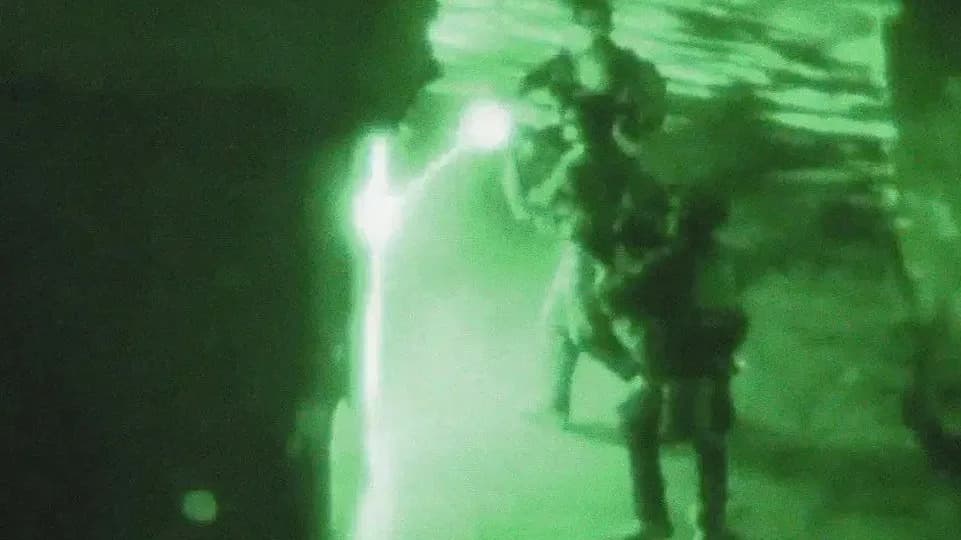
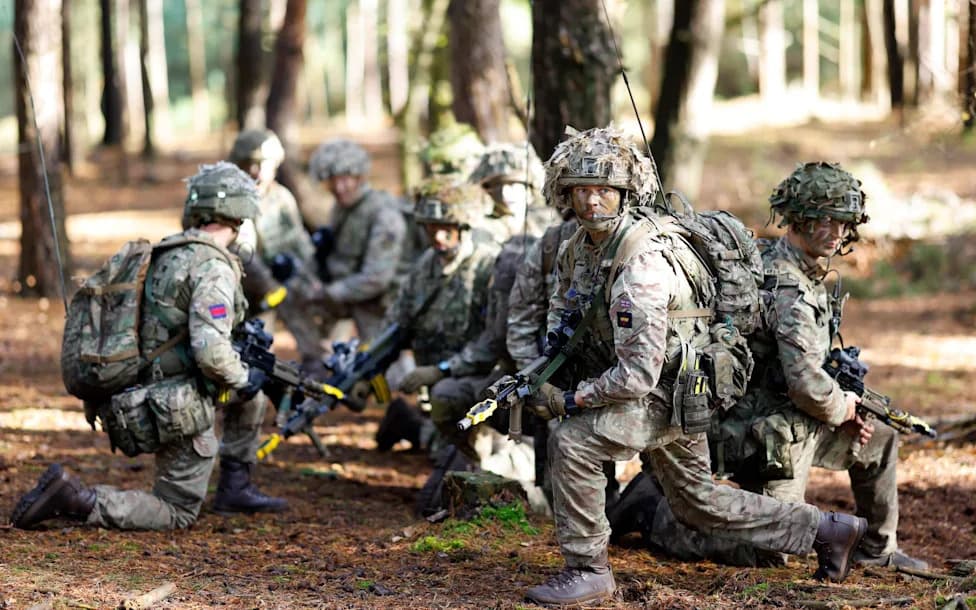
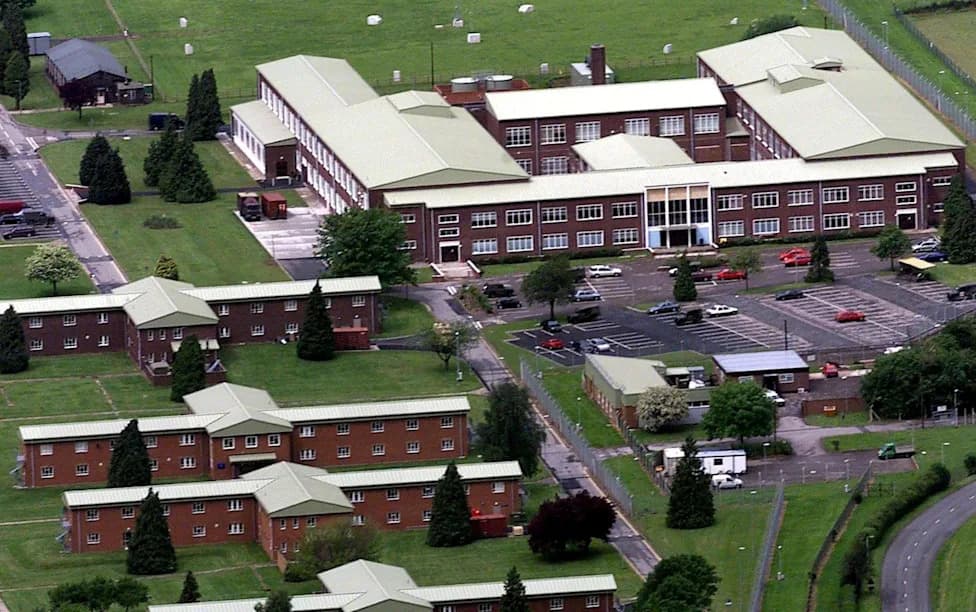
Britain’s 22 SAS is seeing a wave of early resignations amid fears that battlefield decisions could prompt lengthy legal probes into actions in Afghanistan, Syria and Northern Ireland. Around 242 special forces personnel are currently subject to inquiries that reportedly cost about £1 million per month. Experts warn that perceived politicized prosecutions could erode morale and readiness and potentially affect allied militaries, while the U.K. government says it is increasing troop numbers and defense spending while upholding legal standards.
SAS Exodus Over 'Lawfare' Fears Raises Concerns About Morale and Readiness
UK’s elite soldier unit faces exodus over ‘lawfare’ fears — warning sign for US military?
Britain’s elite 22 Special Air Service (22 SAS) is experiencing a wave of early resignations amid growing anxiety that soldiers could face prolonged legal scrutiny for battlefield decisions, The Telegraph reports. Insiders say anger and fear over investigations into alleged wrongdoing in Afghanistan, Syria and Northern Ireland have driven some members to seek premature release.
What Happened
Multiple sources told The Telegraph that members from at least two SAS squadrons have applied to leave early. For operational security the newspaper did not publish precise departure figures, but current and former personnel described the trend as a serious blow to unit cohesion and a potential threat to national security.
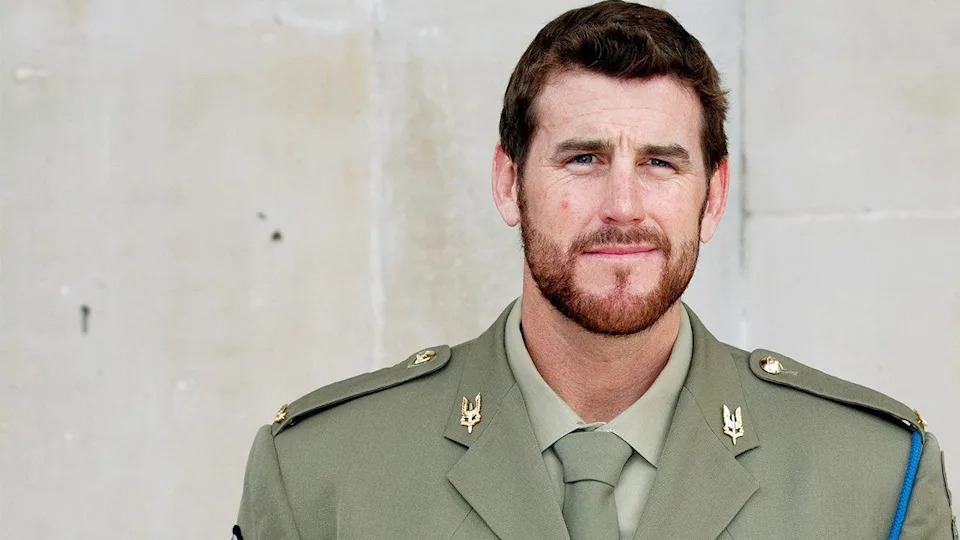
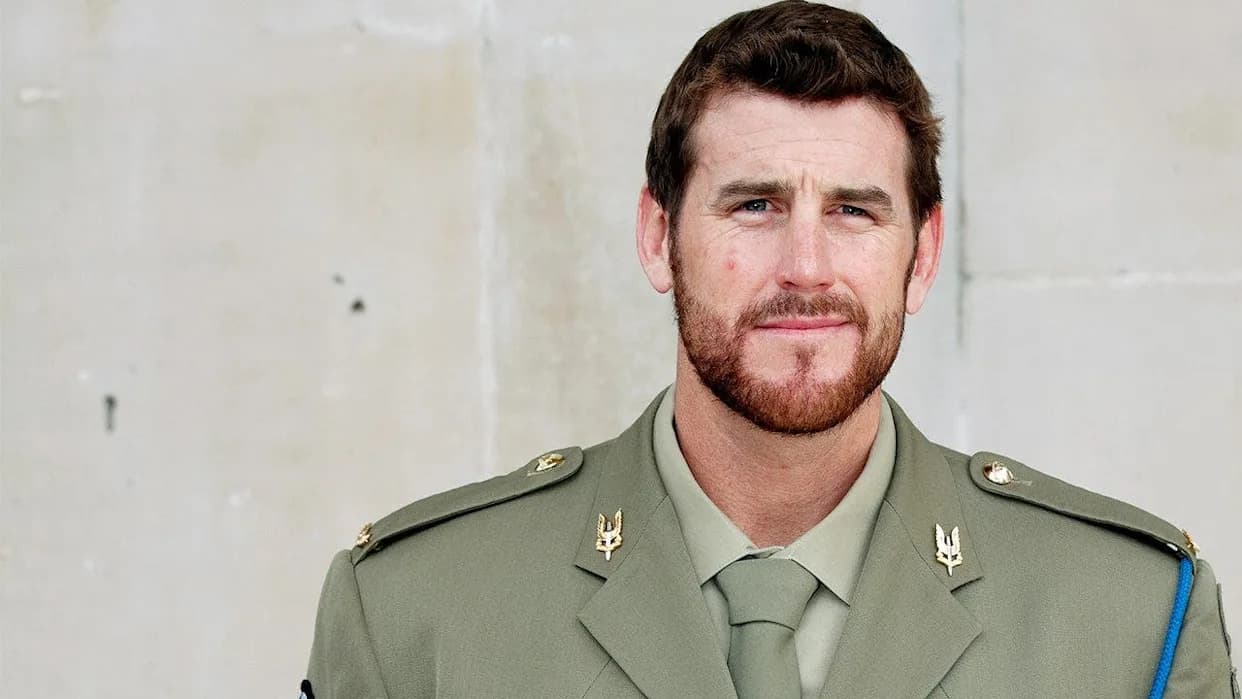
Australian Cpl. Ben Roberts-Smith attends a Victoria Cross and George Cross Association Reunion Service at St. Martin-in-the-Fields Church on May 30, 2012, in London.(Getty Images)
Scope Of The Inquiries
According to reporting, 242 special forces personnel — including roughly 120 still serving — are currently involved in legal inquiries related to operations in Afghanistan, Northern Ireland and Syria. Those investigations are estimated to cost about £1 million per month.
High-Profile Cases And International Context
Veterans and commentators point to high-profile international cases as fueling concern. In Australia, Victoria Cross recipient Ben Roberts-Smith has denied allegations of war crimes from his service in Afghanistan and was charged in early April with multiple counts of murder. Such cases have become rallying points for veterans who fear lengthy legal battles after combat deployments.
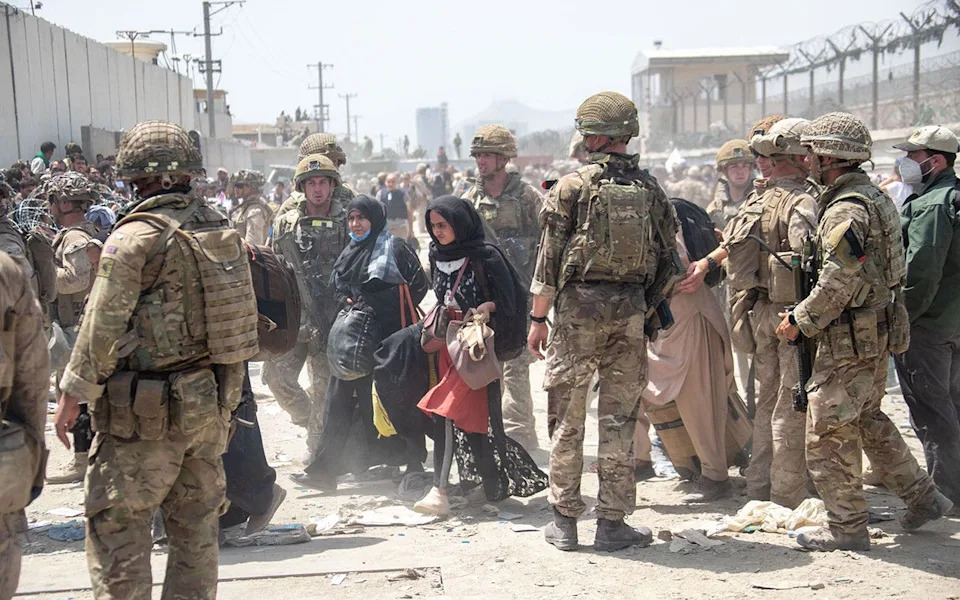
British armed forces work with the U.S. military to evacuate eligible civilians and their families on Aug. 21, 2021, in Kabul, Afghanistan.
Political And Resource Context
The resignations come as Prime Minister Keir Starmer’s government faces scrutiny over defense spending and veteran policy. Official figures show total U.K. armed forces strength at 182,050 personnel as of Jan. 1, 2026, including 136,960 regular troops — an increase from the prior year. The government has pledged what it describes as the largest sustained rise in defense spending since the Cold War, targeting 2.6% of GDP by 2027 and setting an aspiration of 3% by the end of the next Parliament, backed by new investment commitments.
Voices From The Field
"If a soldier discharges their weapon, they are almost certainly going to get a knock at their door one day," said George Simm, a former regimental sergeant major of 22 SAS, to The Telegraph. "It feels like a betrayal and a break in the trust."
Andrew Fox, a former British Army officer and senior fellow at the Henry Jackson Society, warned that a breakdown in trust between soldiers and government undermines the social compact that permits militaries to operate under the law of armed conflict.
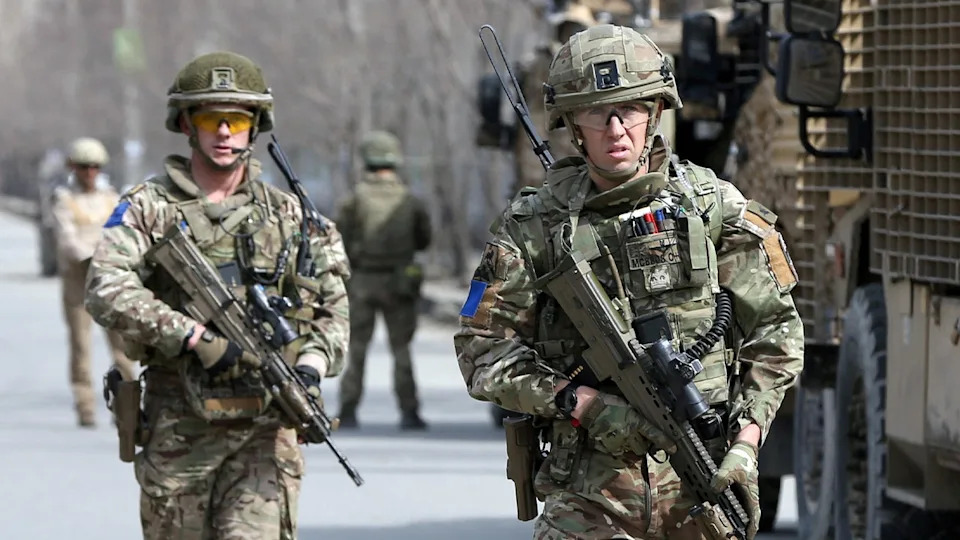
Britain’s elite Special Air Service (SAS) is facing a growing exodus as soldiers resign over fears they could face years of legal scrutiny for actions taken on the battlefield, according to a report in The Telegraph.
Expert Views On Balance And Accountability
John Spencer, executive director of the Urban Warfare Institute, told Fox News Digital that professional militaries need both swift, fair investigations and protection from politically motivated campaigns that troops perceive as "witch hunts." Spencer emphasized that credible allegations should be acted on quickly while governments preserve the moral and legal framework that allows forces to use lethal force responsibly.
Ministry Of Defence Response
A Ministry of Defence spokesperson told Fox News Digital that successive governments do not comment on U.K. Special Forces but affirmed pride in the Armed Forces and a commitment to a legal framework that "reflects the practical realities of military operations" and protects those who served with honor. The MoD reiterated that U.K. operations comply with domestic and international law.
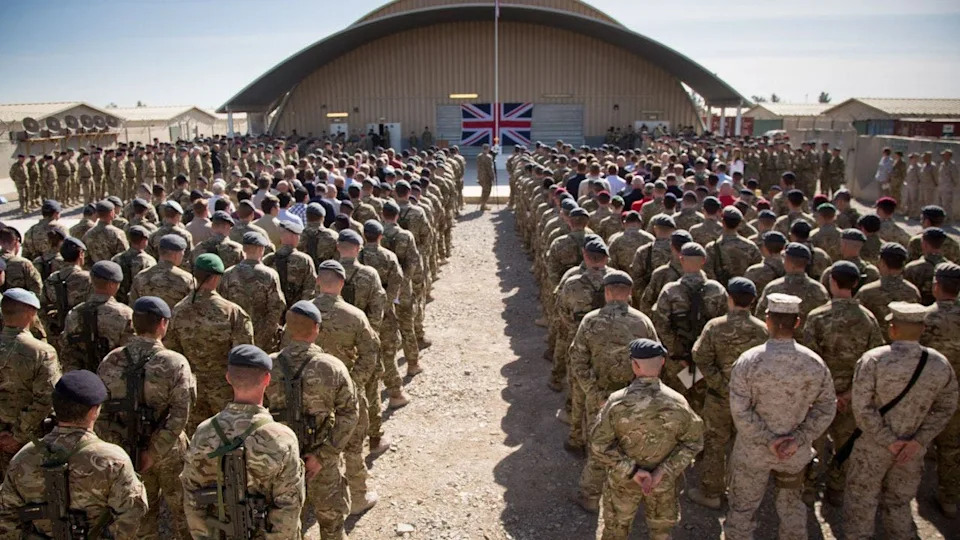
American troops could face similar concerns if political leaders fail to distinguish between legitimate investigations and politically motivated campaigns, according to John Spencer, executive director of the Urban Warfare Institute.
Implications For Allies
Commentators warn that if morale and retention problems spread, they could affect not only Britain but other Western militaries, including the United States. Observers say the key challenge for democracies is striking a balance between accountability for wrongdoing and protecting service members from politicized legal action that undermines readiness.
What Comes Next
Policymakers and military leaders face pressure to clarify investigative processes, reinforce internal justice systems, and restore trust between governments and those who serve. How they respond will influence recruitment, retention, and operational effectiveness across special forces and the wider military community.
Sources: Reporting in The Telegraph; interviews quoted via Fox News Digital; official U.K. Ministry of Defence statements.
Help us improve.