The Army has been instructed to reduce reservist service days this year to meet in-year budget savings, with an average cut of four to six days per reservist. Reductions will affect both training and operational duties, including infrastructure protection and cyber-defence. Critics warn the move undermines readiness, morale and recruitment while the regular Army sits at roughly 70,000 personnel. The MoD says it will prioritise activities that directly support readiness and protect key commitments.
Army Told To Cut Reservists' Service Days As In-Year Budget Savings Bite
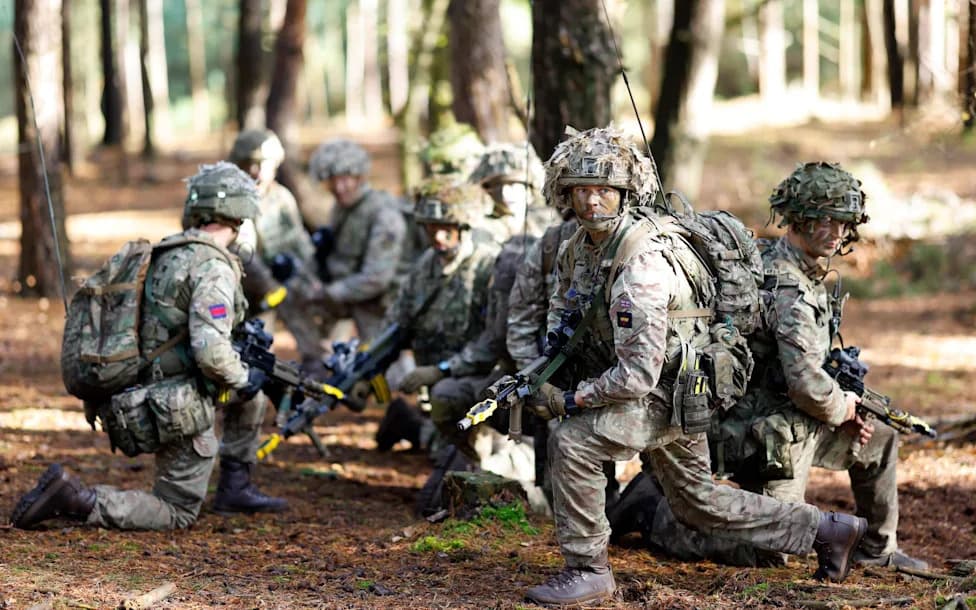
Reservists in 1st Battalion London Guards take part in an exercise on Hankley Common, Surrey - Max Mumby/Indigo/Getty Images
The Army has been ordered to reduce the number of days its reservists serve this year as part of in-year budget savings, senior sources have told The Telegraph. Commanding officers in the Army Reserve have been briefed to find cuts in the Reserves' budget between now and the end of the financial year, with officials estimating an average reduction of four to six service days per reservist.
The reductions are expected to affect not only routine training but also operational tasks carried out by reservists, including protection of critical national infrastructure and cyber-defence work. Sources say the Royal Air Force and Royal Navy reserves have also been asked to identify in-year savings, but the Army Reserve is likely to face the most significant curbs.
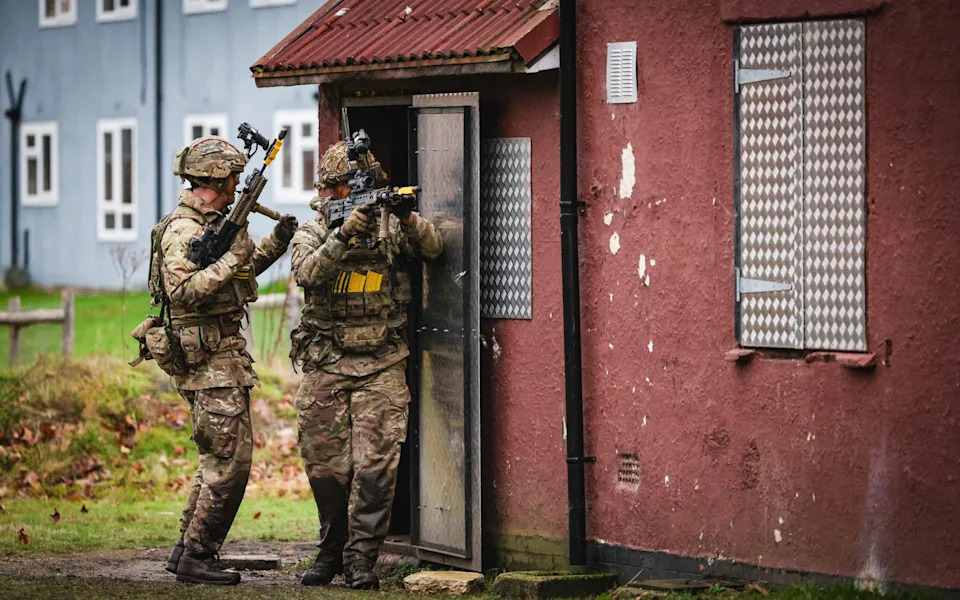
Reservists from 4th Battalion Princess of Wales's Royal Regiment take part in an urban exercise - Adrian Dennis/AFP via Getty Images
Scope and Timing
Under current arrangements an Army reservist typically serves a minimum of 27 days a year; individuals can volunteer for additional training and may participate in an annual camp of up to 15 days. One military source described the timing of the cuts as "significant," noting that the annual camp — the largest single block of reserve service days — has already taken place this year, meaning the remaining months will see a disproportionate impact on available reserve activity.
Context
The regular Army now stands at roughly 70,000 full-time soldiers, its smallest level since Napoleonic times. Defence officials and senior officers increasingly accept that reservists are performing operational duties—not just training—to fill shortfalls in the regular force.
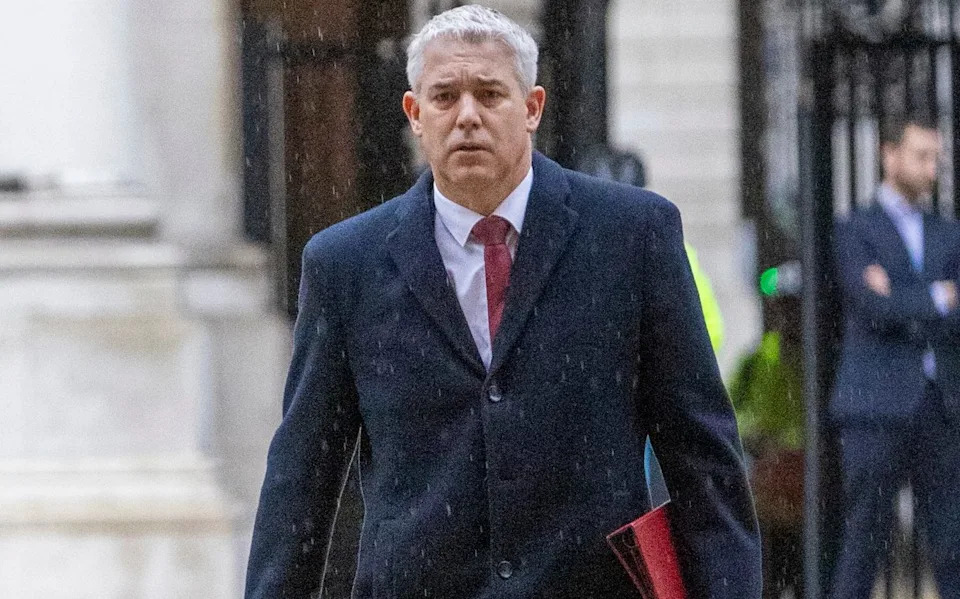
Steve Barclay criticised the Government's cuts - Heathcliff O'Malley
Reactions
"There is no such thing as just 'training'. It is about maintaining a credible deterrent and ability to deploy force at readiness. It is impossible to do this with a regular and reserve Army sitting on its rucksack," a military source said.
Former cabinet minister Steve Barclay criticised the move, arguing that reservists "infill lots of roles" and provide day-to-day support rather than serving only as a wartime insurance policy. He has questioned how cuts to the reserves sit with government statements about prioritising defence and increasing national resilience.
Lord de Mauley, chair of the Council of the Reserve Forces and Cadets Associations, warned the measure would damage morale and recruitment by signalling that reservists are undervalued. Lord Harlech, a serving reservist with 1st Battalion London Guards, urged greater focus on the active volunteer reserves and highlighted disparities in access to medical and dental care compared with regular personnel.
Official Response
A Ministry of Defence spokesman said:
"The Reserves make a significant contribution to the defence of the country, bringing specialist skills which form a critical part of our whole force. Their training continues as we prioritise activity which contributes most directly to readiness, deployability and operational effectiveness. Reservists do far more than train: they contribute directly to operational effectiveness at home and overseas, and those priority commitments will continue to be protected."
The decision comes amid broader planning to increase the UK's warfighting posture, including preparations to mobilise veterans as part of readiness efforts in response to the perceived long-term threat from Russia.
Help us improve.