The Human Rights Campaign is putting $15 million into the midterms to target Republican-held battleground districts and support Democratic Senate hopefuls in several states. The move follows recent electoral and legal setbacks for LGBTQ+ causes, including federal rollbacks and Supreme Court rulings. HRC leaders say the organization has spent months listening and reshaping messaging, urging candidates to lead with values while pivoting to everyday voter concerns such as cost-of-living.
Human Rights Campaign Commits $15M to Battleground Districts as LGBTQ+ Movement Repositions for Midterms
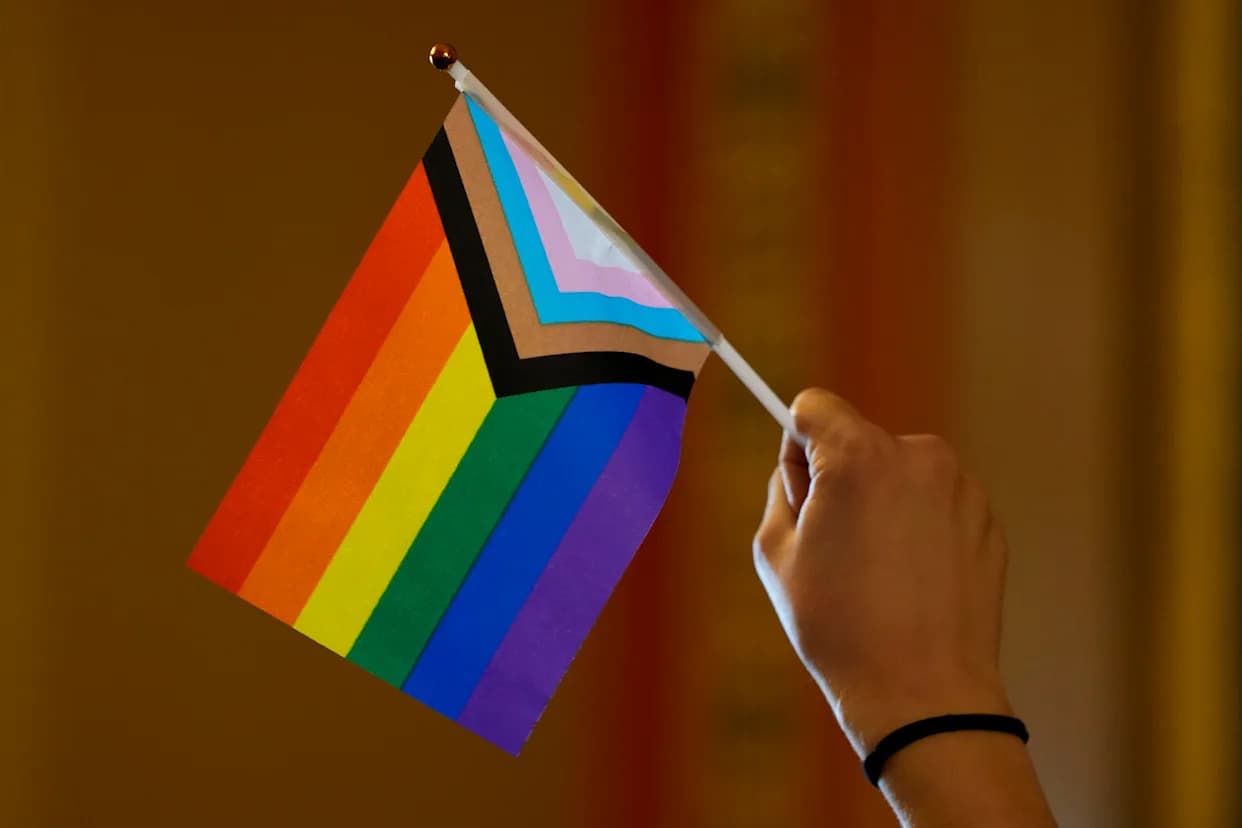
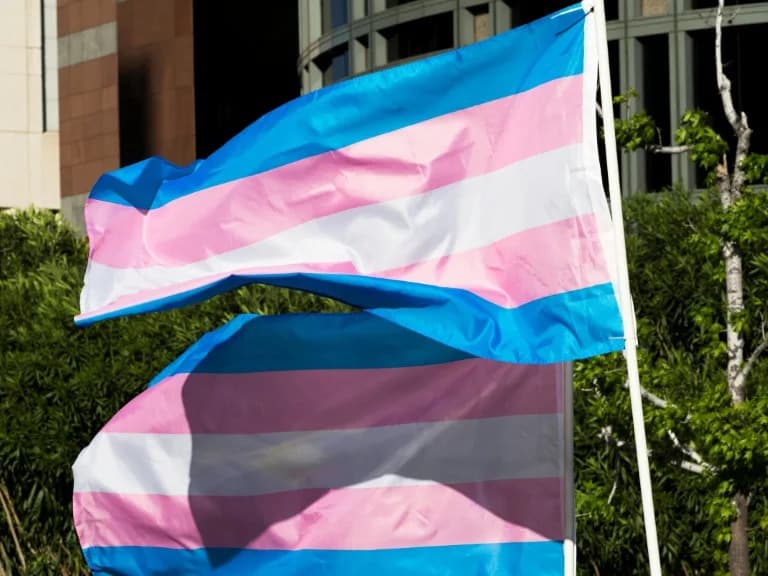
FILE - An LGBTQ+ rights supporter holds a flag in the hallway outside an Iowa House Judiciary subcommittee hearing, Jan. 31, 2024, at the Statehouse, in Des Moines, Iowa. (AP Photo/Charlie Neibergall, File)(ASSOCIATED PRESS)
The Human Rights Campaign (HRC), one of the nation’s largest LGBTQ+ advocacy organizations, is committing $15 million to the midterm cycle to target Republican-held battleground districts and bolster select Senate contests after a series of electoral and legal setbacks.
Where the Money Will Go
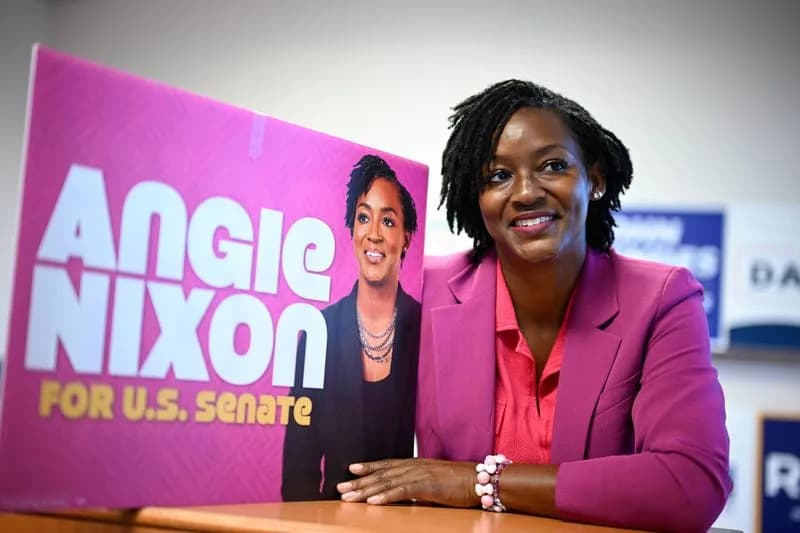
HRC says the funds will support advertising, events and on-the-ground canvassing in eight congressional districts that could help determine control of the U.S. House. The organization is also backing Democratic Senate candidates in Georgia, Michigan, Minnesota, New Hampshire, Ohio and Texas.
Political Headwinds and a Strategic Reset
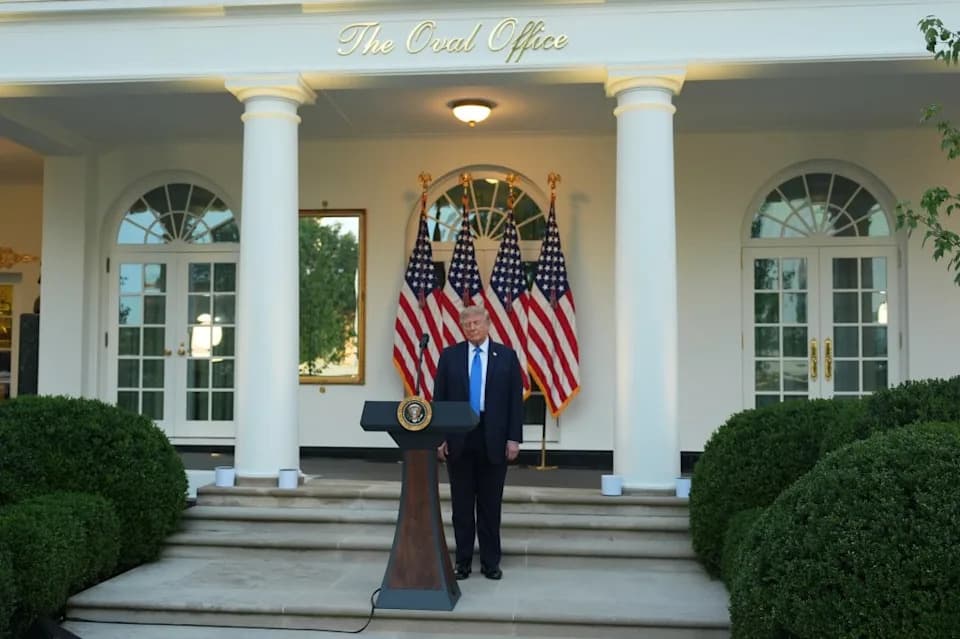
The broader LGBTQ+ movement has confronted a wave of setbacks at the ballot box and in the courts. The current Republican administration has rolled back certain protections for transgender people — including renewed restrictions on military service and limits affecting access to gender-affirming care for minors — while the U.S. Supreme Court’s conservative majority has recently issued rulings that both upheld some state-level restrictions and weakened limits on so-called "conversion therapy" in certain jurisdictions.
“I think that this is the election that’s going to be the sea change, not only for getting to a pro-equality majority but for changing the momentum on this fight for equality,” said Kelley Robinson, president of the Washington-based Human Rights Campaign. “This movement is ready for its next wind, its second wind.”
Robinson acknowledged the movement may have overestimated how close it was to nationwide equality. "The last few years, we’ve been doing an incredible amount of listening, of learning, also of repositioning this work,” she said, describing a period of internal reflection and messaging recalibration.
Messaging, Lessons and a New Playbook
After the 2024 presidential race, Democrats debated how much LGBTQ+ issues influenced results. Conservative campaigns ran ads that spotlighted transgender-related topics — including medical transitions for incarcerated people and transgender athletes — often paired with messaging aimed at suburban and swing voters.
HRC has responded by focusing on voter-facing issues and offering guidance to candidates on how to blunt attacks. In January, the organization published a guide that highlights successful races in states such as Virginia and Kentucky — citing figures like Rep. Abigail Spanberger and Gov. Andy Beshear as examples — and recommends that candidates "lead with your values," address concerns directly, and quickly pivot to everyday issues like cost-of-living and economic security.
“Our job is to move away from the fireballs that our opposition wants to talk about and instead find a way to get back to the things that are impacting folks every day,” Robinson said. She emphasized listening as a core tactic: acknowledging voters’ concerns rather than dismissing them outright.
What to Watch
HRC’s $15 million investment is a clear sign the organization intends to play a major role in competitive House races and crucial Senate contests this cycle. Observers will be watching whether the group’s reframed messaging and targeted spending can translate into wins that reverse recent losses and reshape momentum on LGBTQ+ rights at the ballot box.
Follow ongoing coverage of LGBTQ+ policy and politics at the AP's dedicated hub: https://apnews.com/hub/lgbtq.
Help us improve.